Engineered to align with strict EU sanitary directives and architectural design standards within the Lisbon metropolitan zone.
An anatomical look at architectural urbanism, coastal corrosion variables, and commercial real estate pressures driving demand in Portugal.
Lisbon’s unique geography, situated along the Tagus Estuary facing the Atlantic Ocean, demands strict attention to atmospheric salinity and humidity. Traditional kitchen fixtures suffer accelerated pitting and crevice corrosion under these conditions. Architectural design specifications for historic renewals in Alfama, Bairro Alto, and Chiado, as well as new waterfront developments in Parque das Nações, increasingly mandate premium-grade, passivated stainless steel hardware (such as SUS 304 or SUS 316).
As commercial spaces undergo modernization, mechanical stress combined with saline environments makes standard composite sinks prone to micro-cracking and staining. Stainless steel offers an impermeable barrier to moisture, maintaining high structural integrity without requiring aggressive, chemically hazardous cleanings.
Lisbon’s thriving tourism industry has spurred a massive wave of renovations in the boutique hotel and restaurant (HORECA) sectors. Under Portuguese sanitation codes (ASAE requirements) and European Regulation (EC) No 852/2004 on the hygiene of foodstuffs, catering surfaces must be constructed from non-porous, easily sanitized materials.
This regulation directly positions stainless steel wash basins and prep equipment as non-negotiable standards. Furthermore, the compact layouts of traditional Lisbon structures require space-saving solutions like built-in or portable multi-grid dishwashing units that allow high workflow efficiency without modifying protected architectural footprints.
Navigating the supply chain matrix: raw materials, global pricing index, and logistical routes to Southern Europe.
The global stainless steel industry is highly sensitive to price fluctuations of alloying elements such as nickel, chromium, and molybdenum. As European building developers focus on sustainable, long-lived projects, the Life Cycle Assessment (LCA) of building materials has taken center stage. Stainless steel stands out with a 100% recycling rate, reducing the carbon footprint compared to synthetic polymer-based sinks or granite composite alternatives.
Industrial food preparation units require high chromium-nickel compositions (18/10) to optimize passive oxide layer formation, preventing rust even when exposed to acidic foods like tomatoes or vinegar.
State-of-the-art Chinese manufacturing facilities use multi-ton hydraulic presses to stamp seamless sink bowls from single steel sheets, eliminating weak points created by traditional seam welds.
Modern architectural requirements demand acoustic comfort. Soundproofing pads and anti-condensation undercoatings are applied to sink bottoms to mitigate water impact noise in open-kitchen designs.
Leveraging advanced raw material consolidation hubs and automated assembly pipelines, Chinese manufacturing offers unmatched cost-efficiency for industrial sink production. By integrating cutting-edge CAD/CAM design programs, CNC laser cutting, and automated deep-draw stamping, production plants can rapidly customize products for international buyers.
For European distributors, direct sourcing from specialized Chinese manufacturers bypasses layers of intermediate trading costs. This ensures structural compliance with international standards (such as EN 13310 for kitchen sinks) while keeping lead times predictable and shipping costs competitive.
A leading large-scale industrial enterprise specializing in global OEM/ODM metal kitchenware and sanitary engineering.
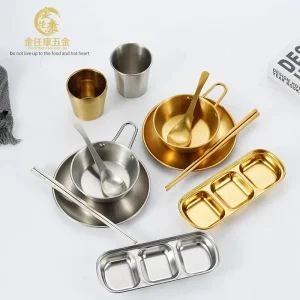
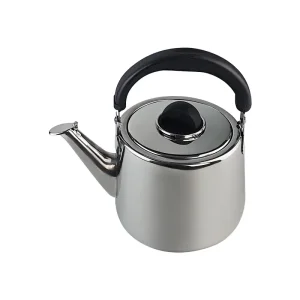
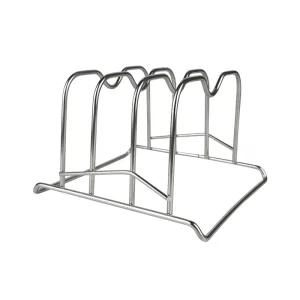
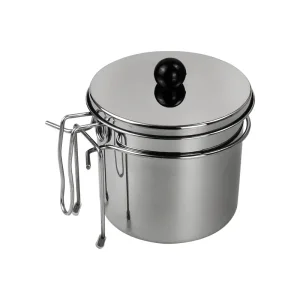
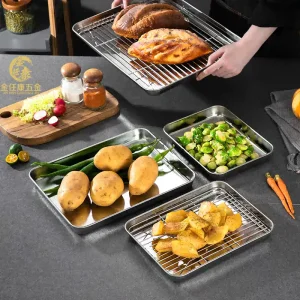
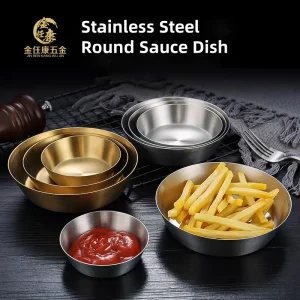
Chaozhou Jinrenkang Hardware Products Co., Ltd. is a large and professional stainless steel kitchenware export and foreign trade enterprise that integrates research and development, design, customization, manufacturing, and sales. The company has always focused on the development and exploration of stainless steel tableware products, covering several series and hundreds of products such as soup pots, steamers, wire racks, and meal plates. The flexible integration of various products provides overseas customers with more diverse choices.
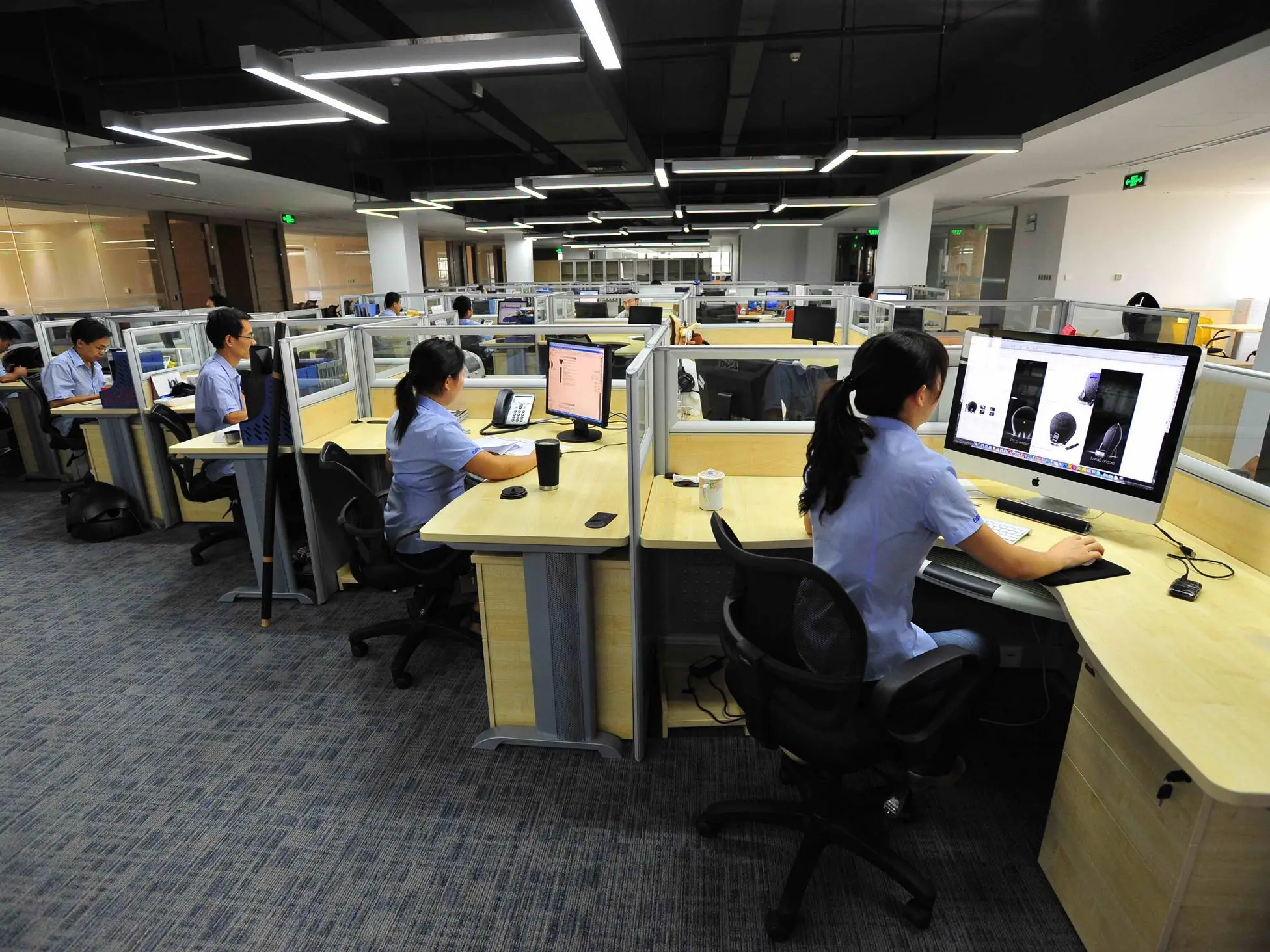
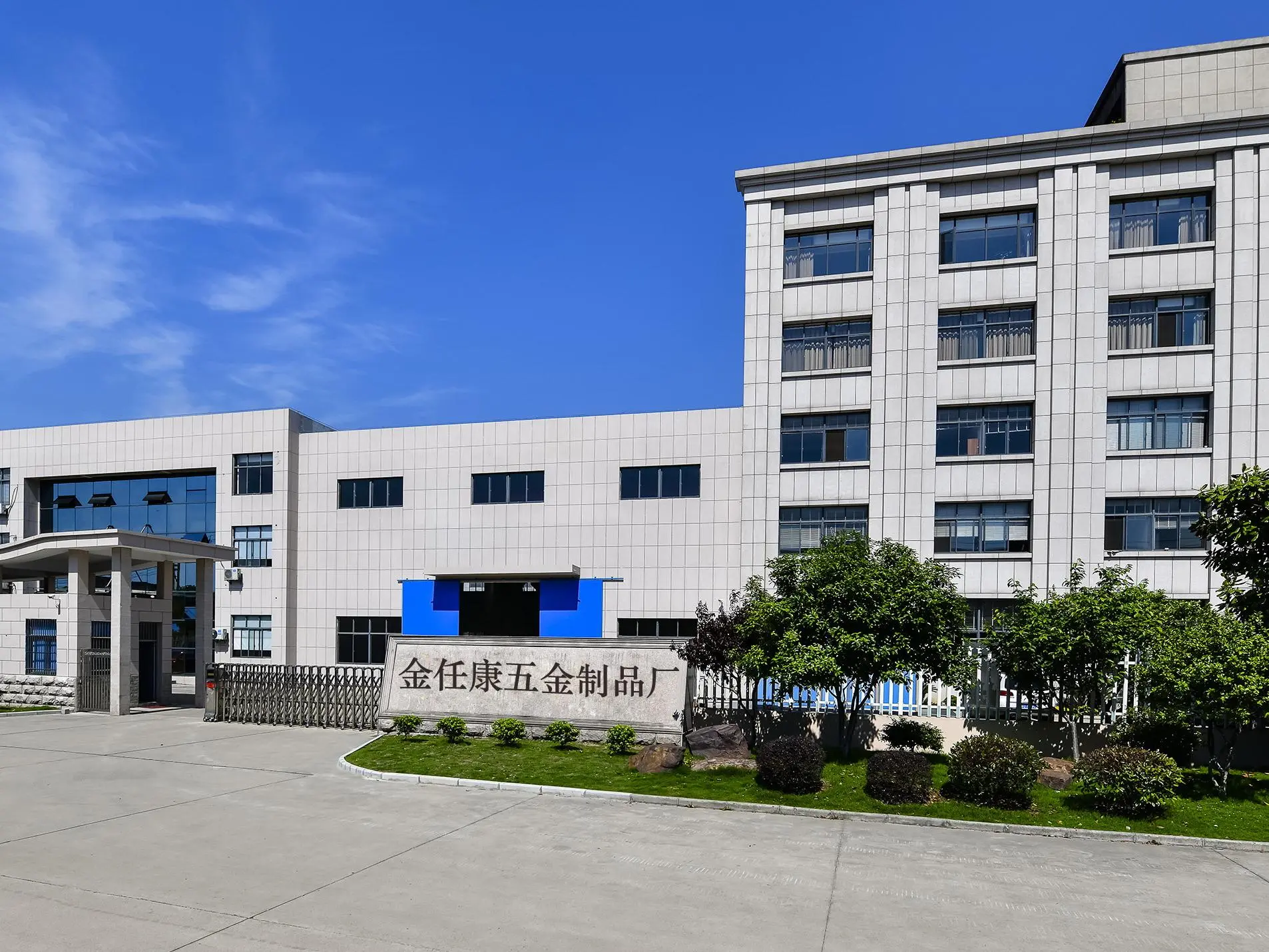
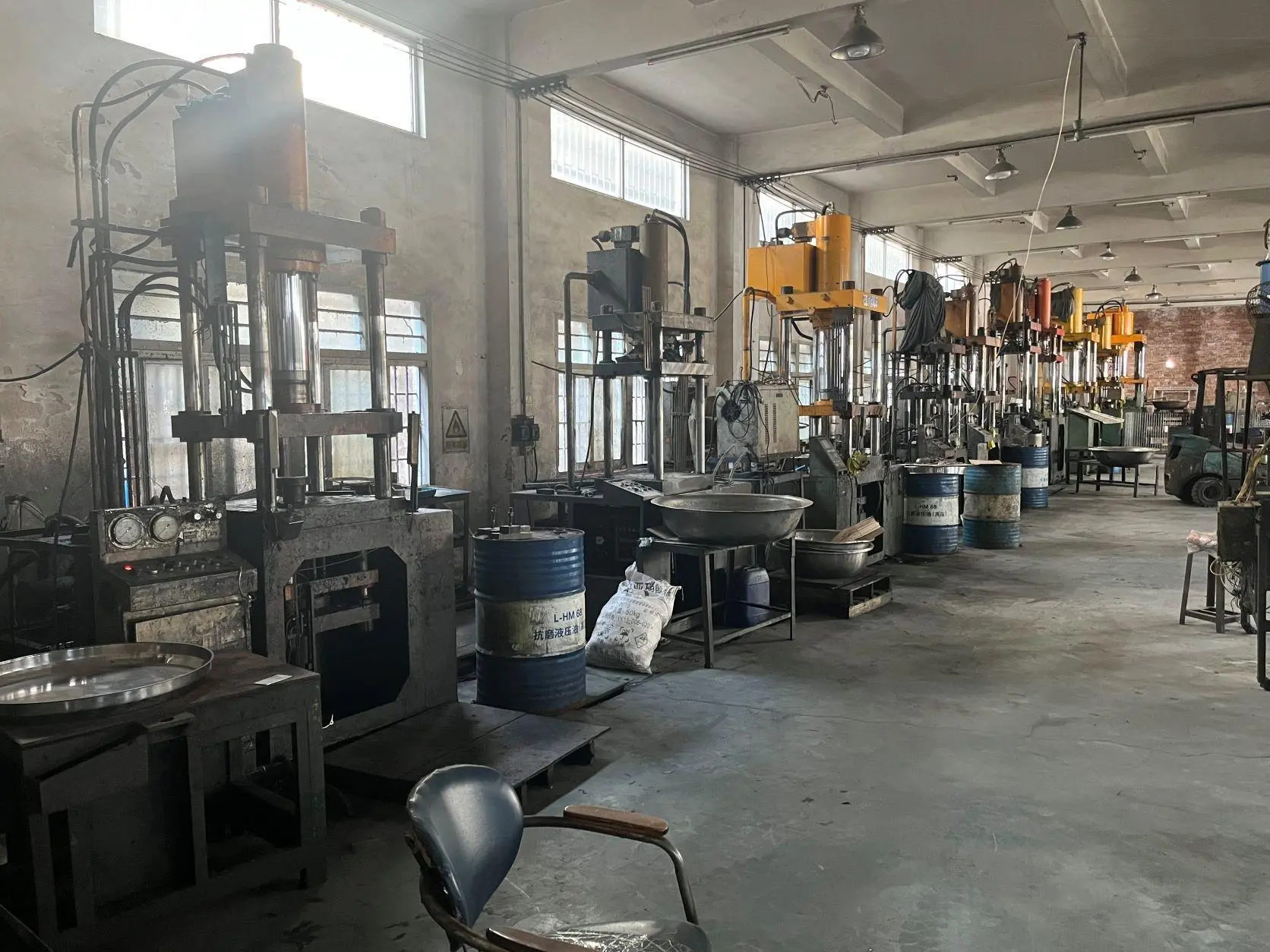
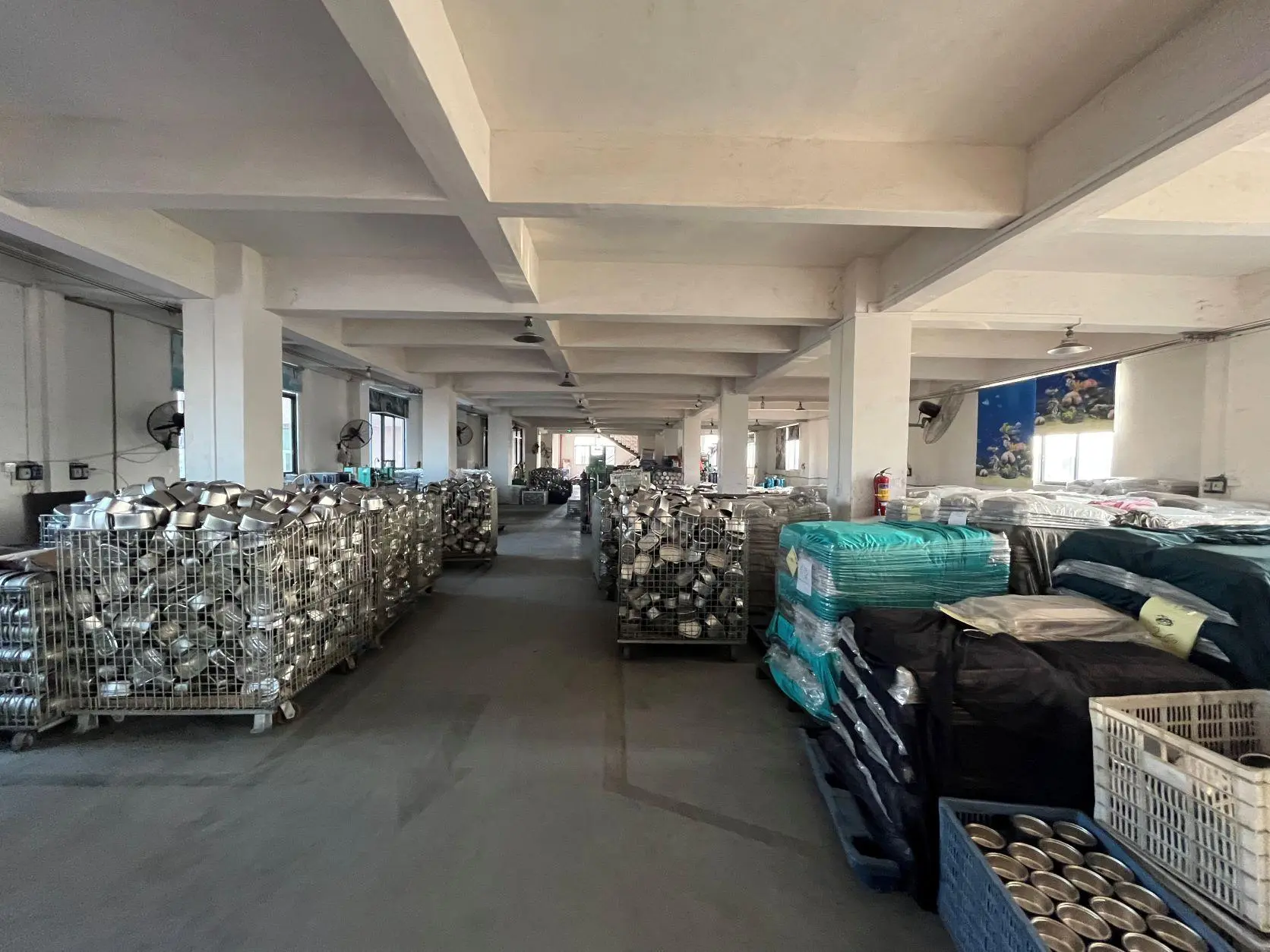
Chaozhou Jinrenkang Hardware Products Co., Ltd. has been committed to implementing a global operational strategy and building a comprehensive sales and service system. Our company has stable cooperative relationships with many well-known enterprises at home and abroad, and our product sales are spread to more than 100 countries and regions such as the United States, Canada, the United Kingdom, and Australia, with an annual export value exceeding 40 million US dollars. Through a sales network covering major global markets, we provide affordable, durable, and safe stainless steel kitchenware to global consumers.
So far, our company has adhered to the business philosophy of "pursuing innovation and quality first", established the core values of "people-oriented, quality first, customer first, and service sincere", implemented the quality policy of "craftsmanship and excellence", and has a vision of "leading a healthy and quality life and improving the national happiness index"; Breaking through the cocoon in the field of hardware manufacturing, ushering in a new era of advocating health, pursuing excellence, and enjoying quality.
How spatial constraints and public sanitation guidelines shape functional hardware design.
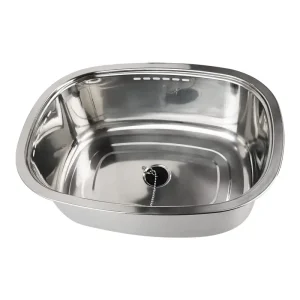
Centuries-old floorplans require space-saving solutions. Custom under-mount single bowl units maximize usable counter space while retaining historic masonry structural limits.
From dockside seafood preparation to yacht club bars along the Tagus, high-alloy marine grade steel prevents rust under direct coastal breeze conditions.
Heavy-duty multi-sink assemblies with built-in drainage boards streamline prep and sanitization workflows in high-volume central tourist hubs.
Fully compliant with international food safety standards, designed to support heavy operations in Portugal and global trade channels.
Critical industrial insights for procurement directors, quantity surveyors, and project developers.
AISI 304 contains 18% chromium and 8% nickel (commonly referred to as 18/8). This specific alloy composition guarantees the rapid formation of a passive, self-healing chromium oxide film on the surface. In Lisbon's high-salinity air, this barrier protects the underlying metal from salt-spray induced oxidation and corrosion, extending structural life far beyond 400-series or composite alternatives.
Deep-drawn sinks are stamped from a single sheet of metal using high-pressure hydraulic tooling. This process creates a seamless container with zero welded seams. Welded sinks, while offering sharp radius corners (R0/R10), introduce joints that can be vulnerable to localized crevice corrosion and micro-abrasion if the welds are not fully annealed. For commercial environments, deep-drawn sinks provide superior hygiene, as there are no micro-fissures to harbor food particles or bacteria.
Kitchen sinks sold in the EU must bear the CE mark and conform to EN 13310 (Kitchen Sinks – Functional Requirements and Test Methods). This covers water drainage performance, load resistance, thermal shock durability, and ease of cleaning. Furthermore, materials in contact with food must comply with Regulation (EC) 1935/2004, ensuring no chemical migration occurs from the sink surface to food items.
Most bulk sea shipments depart from ports in Shenzhen (Yantian/Shekou) or Guangzhou, transit through the Suez Canal, and arrive directly at the Port of Lisbon (Porto de Lisboa) or the Port of Sines. Standard sea freight takes approximately 30 to 45 days. For fast-track developments, multimodal rail transport (via the Eurasian land bridge to European distribution centers) and air freight are available to meet strict construction deadlines.
Premium sinks utilize heavy-duty rubber or EVA pads applied to the underside of the bowls to dampen noise from running water and garbage disposers. Additionally, an anti-condensation paint layer is sprayed on the exterior. This coating prevents temperature differences between the warm room air and cold water inside the sink from forming condensation droplets on the cabinet wood, preventing mold and wood rot.
Whether you are a commercial distributor in Lisbon, an architectural design office in mainland Europe, or a developer running large-scale residential projects, our team delivers unmatched product durability, technical compliance, and scale-backed cost efficiency.
 Jinrenkang Hardware