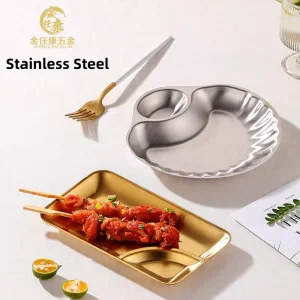
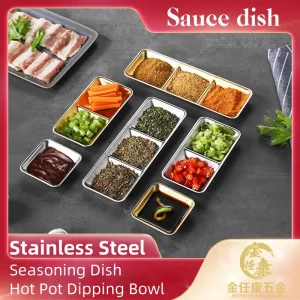
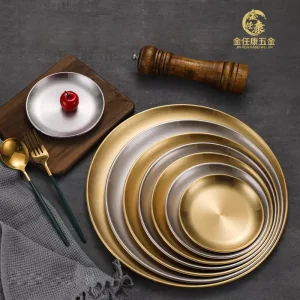
Engineered for compliance, hygienic food safety, and extreme durability in commercial culinary environments.
An in-depth analysis of materials compliance, hygiene standard NOM-251, and regional logistics optimizations.
Mexico City (CDMX) has solidified its position as the culinary and gastronomic epicenter of Latin America. From Michelin-starred establishments in Polanco and Roma to the extensive networks of traditional cantinas, high-capacity corporate dining facilities in Santa Fe, and food halls, the demands on commercial food service equipment are unprecedented.
Crucially, regulatory mandates under the Ley de Residuos Sólidos de la Ciudad de México (Solid Waste Law) have strictly banned single-use plastics, driving commercial food operations toward sustainable, reusable alternatives. In parallel, local health authorities enforce rigorous inspections aligning with NOM-251-SSA1-2009, which governs hygienic practices for processing food, beverages, or food supplements.
Under NOM-251 compliance, food-contact utensils must be non-porous, corrosion-resistant, and capable of withstanding repetitive high-temperature sanitization cycles without degradation. Food-grade AISI 304 (18/8) Stainless Steel serving plates represent the absolute gold standard for compliance.
For large-scale buyers, importers, and hospitality groups in Mexico City, procuring high-performance multi-grid (compartment) serving trays from specialized Chinese manufacturers offers an ideal blend of compliance safety, long-term capital expenditure reduction, and operational efficiency.
Traditional Mexican cuisine relies heavily on the presentation of multiple elements: salsas, proteins, garnishes, and starch bases (such as rice and beans). In high-volume operations like *taquerías*, buffet lines, and catering halls, multi-grid snack plates resolve three major operational issues:
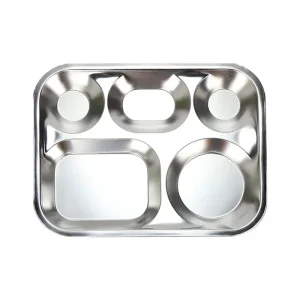
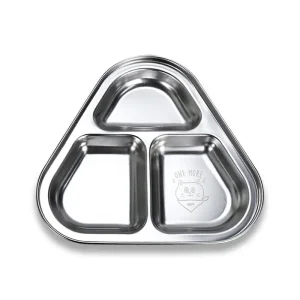
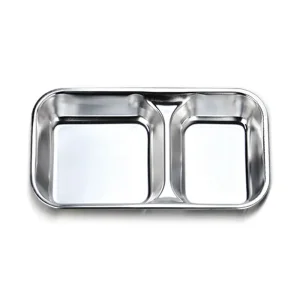
By working with direct manufacturers, CDMX distributors can custom-order grid layouts (2-compartment up to 5-compartment setups) specifically tailored to classic Mexican plating habits.
Why modern commercial kitchens are abandoning plastic, melamine, and ceramics in favor of stainless steel alloy.
Melamine plates, when exposed to acidic food items (like lime juice or tomato-based salsas common in Mexican cuisine) at elevated temperatures, can leach formaldehyde and melamine compounds. Food-grade 304 Stainless Steel offers total chemical inertness, ensuring complete consumer safety.
Unlike porcelain or ceramic ware which chips or shatters upon dropping in busy commercial environments, high-tensile stainless steel plates are completely shatterproof. This drastically reduces annual replenishment expenditures (replacements drop to near 0%).
Stainless steel stands up to aggressive sanitizing agents and automated industrial dishwashers running at temperatures above 82°C (180°F) required to kill pathogens, without surface dulling, scratching, or structural bending.
| Material Parameter | AISI 304 Stainless Steel | Commercial Melamine | Traditional Ceramics |
|---|---|---|---|
| Lifespan (Average Commercial Use) | 5 - 10+ Years | 1 - 2 Years | 6 - 12 Months (due to chipping) |
| Chemical Stablity (pH 3.0 Acidic Foods) | Excellent (No Leaching) | Poor (Formaldehyde risk) | Good (Glaze dependent) |
| Thermal Shock Resistance | Extreme (-40°C to 300°C) | Moderate (Max 70°C) | Poor (Thermal cracking risk) |
| Recyclability Value | 100% (High Scrap Value) | 0% (Landfill waste) | 0% (Non-recyclable) |
Unlocking the manufacturing cluster efficiencies of Chaozhou to empower Mexico City bulk importers.
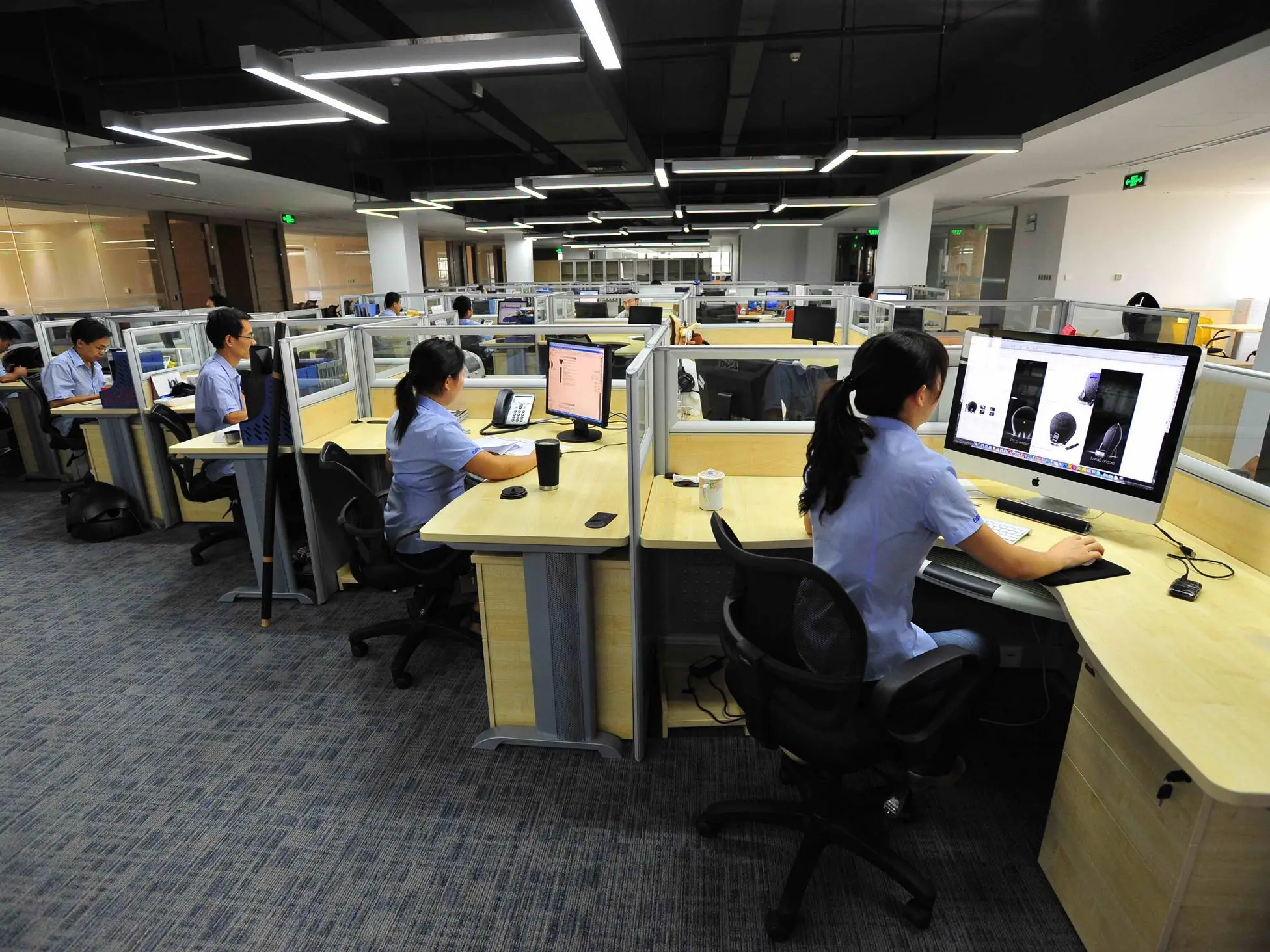

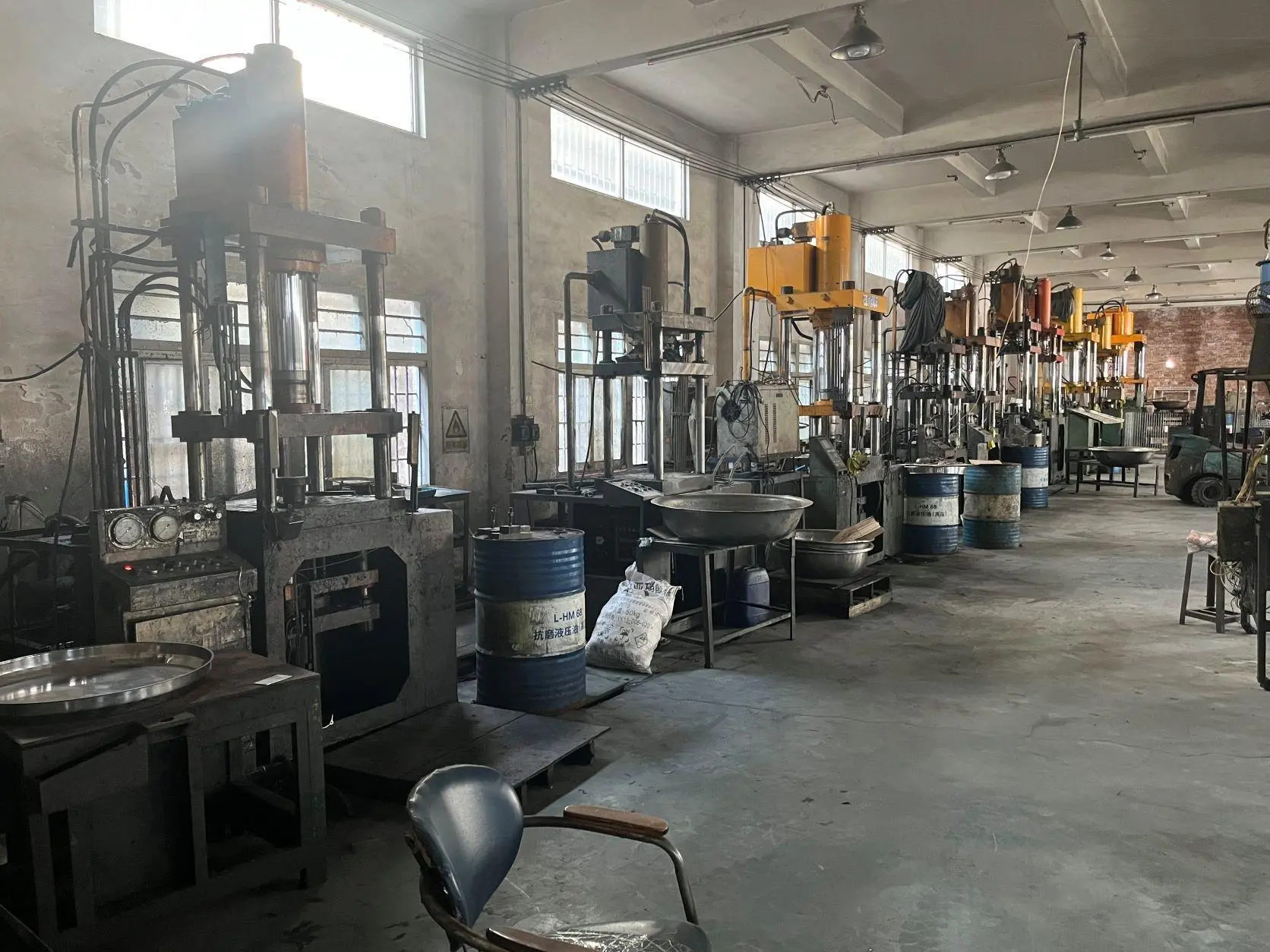
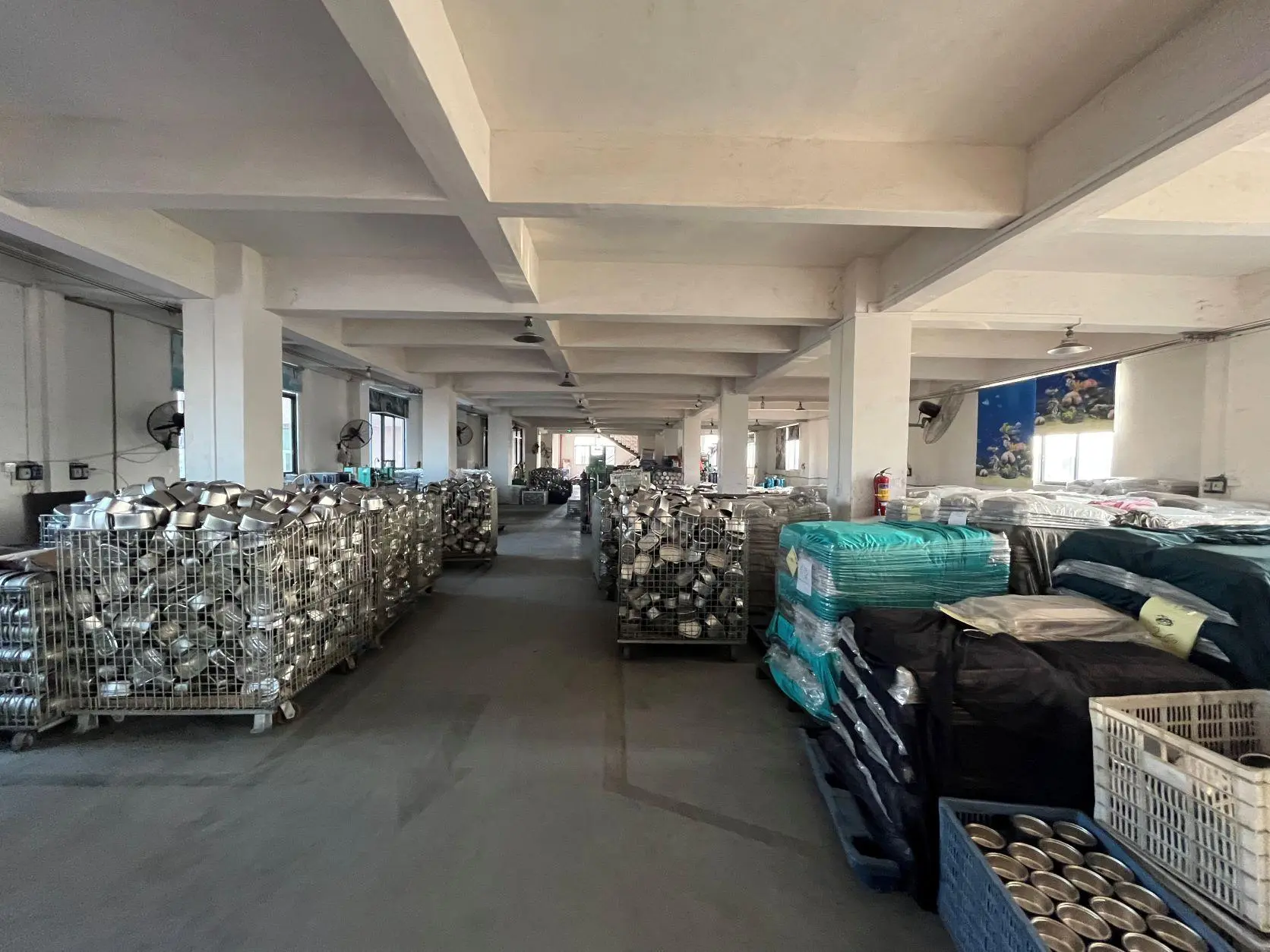
Chaozhou Jinrenkang Hardware Products Co., Ltd. stands as a premier force in the stainless steel hardware hub of Guangdong, China. Integrating R&D, structural design, mold manufacturing, and automated stamping, the company delivers high-quality commercial tableware with unparalleled cost control.
By working with advanced stamping presses and multi-stage polishing equipment, Jinrenkang ensures that every multi-grid snack plate features smooth, safe, rolled edges, even thickness distribution, and a clean surface finish (satin or mirror) free of polish residue or tooling marks.
Our global operational strategy spans over 100 countries, catering specifically to localized market regulations. We optimize container space utilizing nested stacking techniques, reducing ocean freight costs to major Latin American ports such as Lázaro Cárdenas and Manzanillo, which serve as primary entry points for Mexico City distributors.
Annual Export Value
Countries Supplied
Premium Food-grade Alloys
HACCP & NOM Compliant
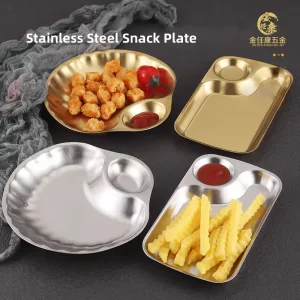
Visualizing how multi-grid stainless steel plates optimize food presentation and sanitation across diverse local businesses.
In busy venues across Cuauhtémoc or Coyoacán, efficiency is everything. Multi-grid plates serve as the ultimate salsa bar platter. A single 4-grid plate keeps fresh onion/cilantro mix, lime wedges, salsa verde, and salsa roja separated, organized, and chilled. It enables rapid sanitation between customer rotations, resisting impact on stone counter surfaces.
Large-scale corporate kitchens servicing business parks in Santa Fe and Lomas de Chapultepec rely on heavy-duty portion trays. A 5-compartment tray ensures a balanced meal of protein, complex carbs, salad, hot tortillas, and dessert is served efficiently. The stainless steel composition handles industrial conveyor belt washing systems without deformation.
Catering operations in large hotels (Reforma, Polanco) require tableware that stacks flatly, carries safely, and retains heat when covered. Our multi-grid trays nest perfectly, saving up to 60% storage space in commercial kitchens while maintaining a modern, high-end metallic aesthetic suitable for contemporary presentations.
Ensure you receive authentic, food-grade equipment when importing to Mexico City.
When purchasing stainless steel multi-grid snack plates, global procurement managers must verify metallurgical compliance to avoid receiving inferior grades (like high-manganese 201 alloys) which can corrode in salty, humid, or highly acidic commercial food settings.
Chaozhou Jinrenkang provides full metallurgical test reports for every batch. However, when auditing production batches, follow this checklist to guarantee performance:
Importers in Mexico City face specific customs challenges. The local tariff structure requires detailed commercial invoices, Certificates of Origin (to verify anti-dumping duties exemptions on specific Chinese steel items), and accurate HS Code classification:
Our logistics team works in close coordination with Mexican customs brokers (agentes aduanales) to ensure smooth port customs clearance, ensuring cargo is delivered without delays.
Explore our highly-durable stainless steel storage and specialized serving configurations for comprehensive procurement.
Detailed technical, logistics, and material compliance guidance for Mexican commercial buyers.
Premium grade, heavy-duty stainless steel selections configured for Mexico City's demanding culinary and hospitality industries.


 Jinrenkang Hardware