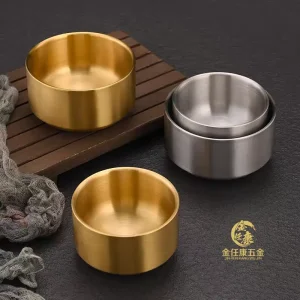
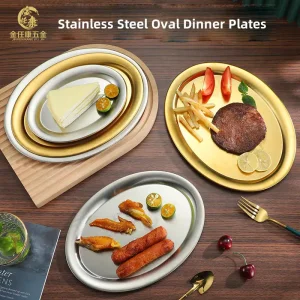
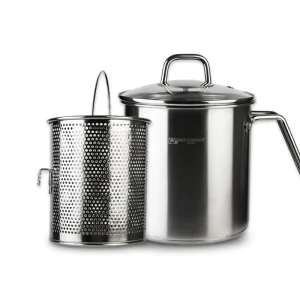
High-performance culinary vessels optimized for heavy commercial usage, catering services, and premium dining establishments across Jakarta.
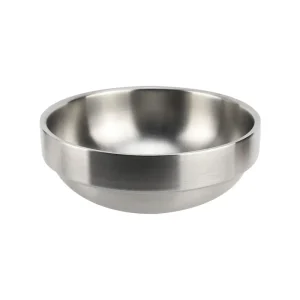
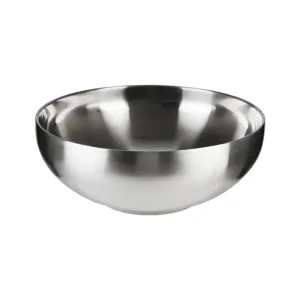
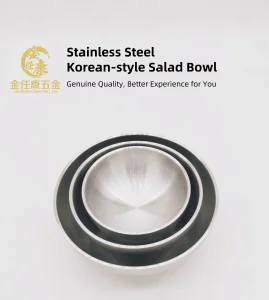
An authoritative analysis of food service hardware demands, shifting regulatory environments, and procurement trends within the Greater Jakarta Metropolitan Area.
As the economic engine of Indonesia, Greater Jakarta (Jabodetabek) is witnessing an unprecedented transition in its food service and hospitality landscapes. Rapid urbanization, a booming middle class, and a massive revitalization of the culinary tourism industry have forced hotels, restaurants, and institutional caterers to upgrade their food preparation and presentation vessels. Specifically, the demand for high-grade stainless steel bowls has skyrocketed. Procurement directors are moving away from traditional ceramics and short-lived melamine tableware, prioritizing non-porous, corrosion-resistant, and high-durability metallic hardware.
Historically, the Indonesian food service sector heavily relied on melamine ware due to its initial low cost. However, growing awareness concerning chemical leaching (particularly formaldehyde emission under high heat) and strict regulatory pushbacks from the Indonesian National Agency of Drug and Food Control (BPOM) have accelerated a systemic shift. Commercial kitchens in Central Jakarta, South Jakarta, and North Jakarta’s high-end Pantai Indah Kapuk (PIK) districts are establishing strict protocols mandating food-grade stainless steel (SUS304/SUS316) for food processing, storage, and customer serving.
Additionally, the tropical, high-humidity coastal climate of Jakarta introduces unique challenges. In humid atmospheres, lower-quality metals or poor passivated surfaces suffer from rapid pitting corrosion and rust. This makes the sourcing of certified, high-nickel alloys essential for local restaurant operations, ensuring kitchenware remains rust-free and hygienic over years of industrial washing cycles.
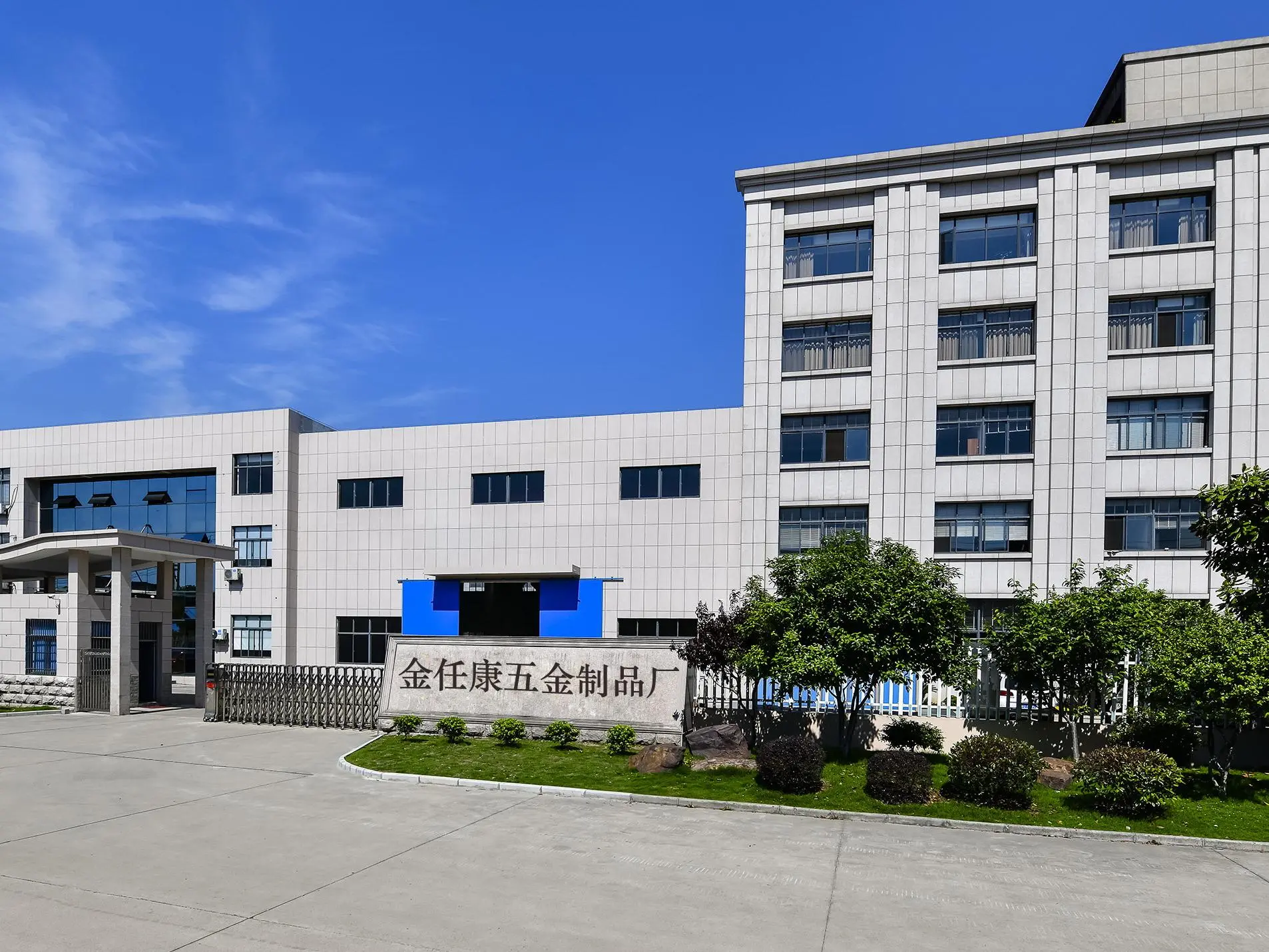
Chaozhou Jinrenkang Hardware Products Co., Ltd. is a leading, large-scale, professional stainless steel kitchenware manufacturing and export enterprise. Integrating in-house research and development, design, bespoke customization, and large-scale manufacturing, we serve a global clientele with distinction. Our product portfolio spans multiple categories, including stainless steel soup pots, steamers, wire racks, meal plates, and high-performance commercial food bowls.
With an annual export value exceeding 40 million USD, we have built a stable global distribution network spanning over 100 countries and regions—including the United States, Canada, the United Kingdom, and Australia. Our operational philosophy centers on "pursuing innovation and quality first," positioning us as a reliable strategic supplier for high-volume distributors in Indonesia and the wider Southeast Asian market.
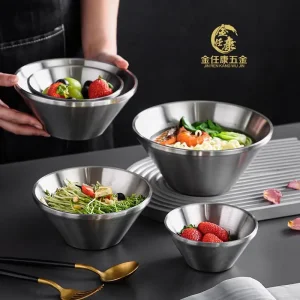
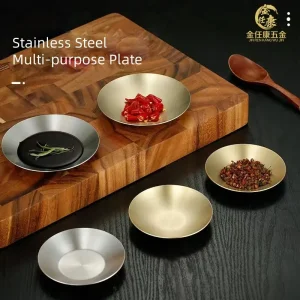
Explore our mid-range heavy-duty stainless steel dining plates and double-wall insulated mixing bowls, engineered to reduce heat transfer and optimize thermal insulation.
Understanding the engineering behind our high-performance alloys and automated manufacturing infrastructure in Chaozhou.
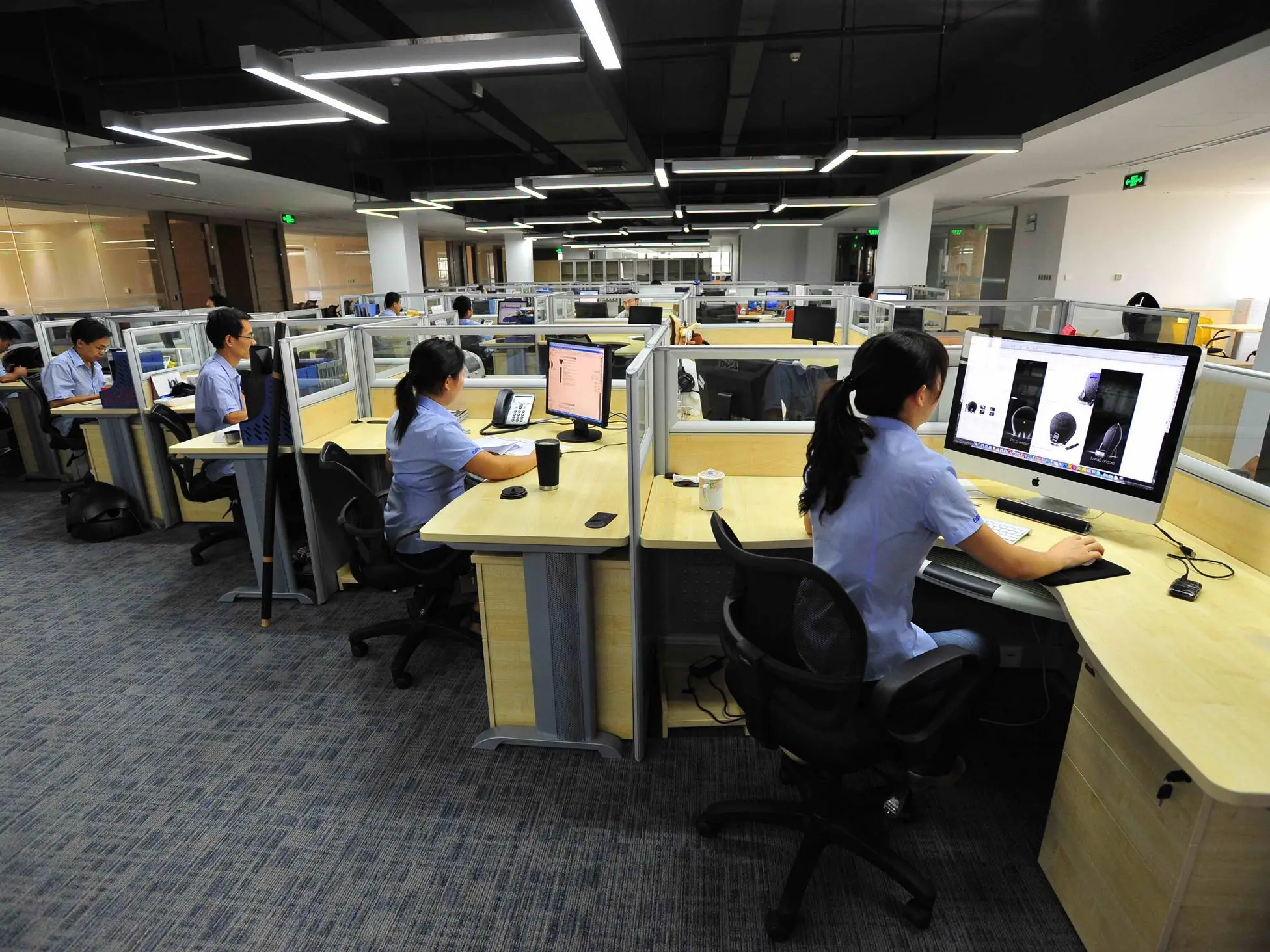
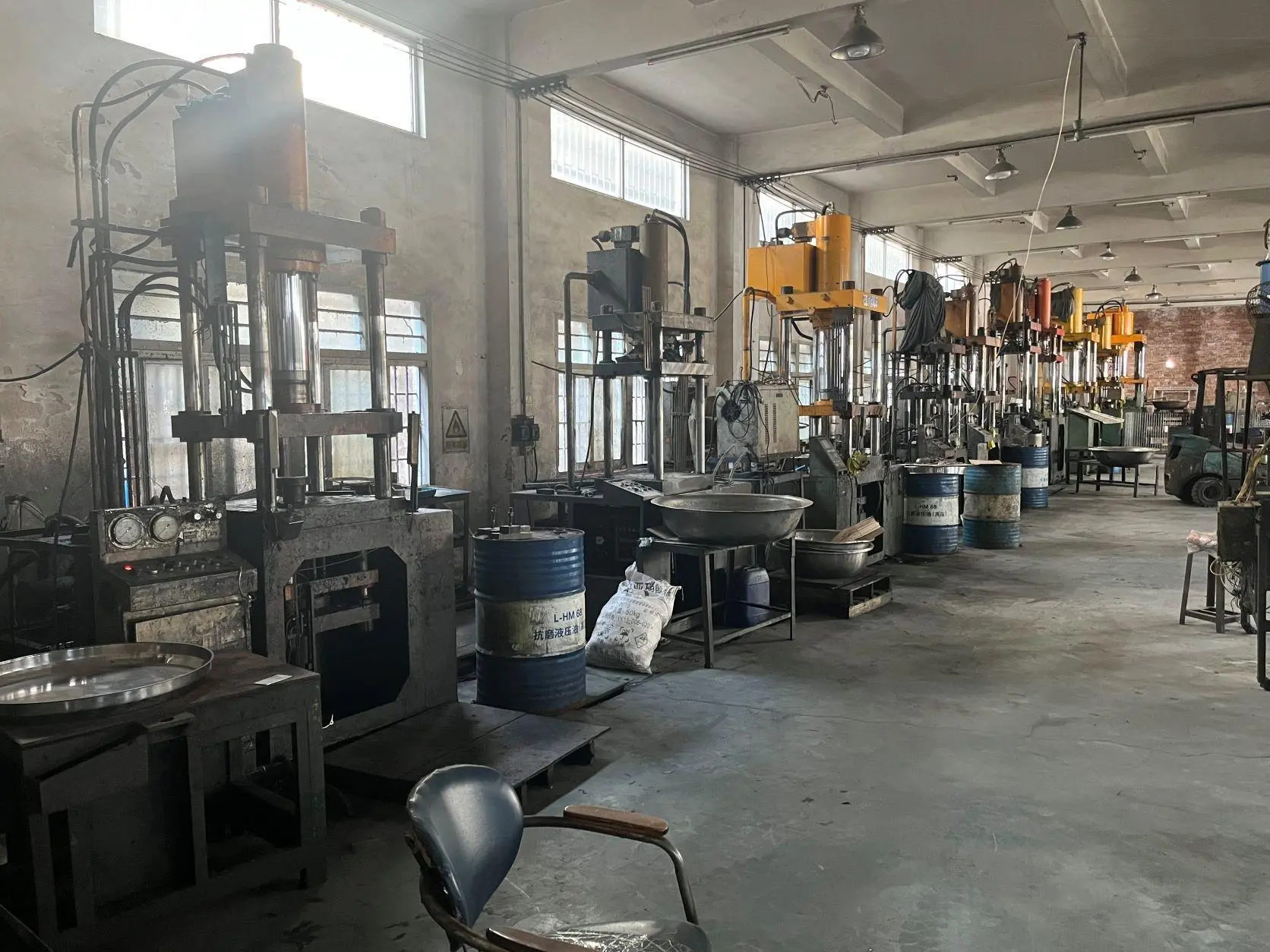
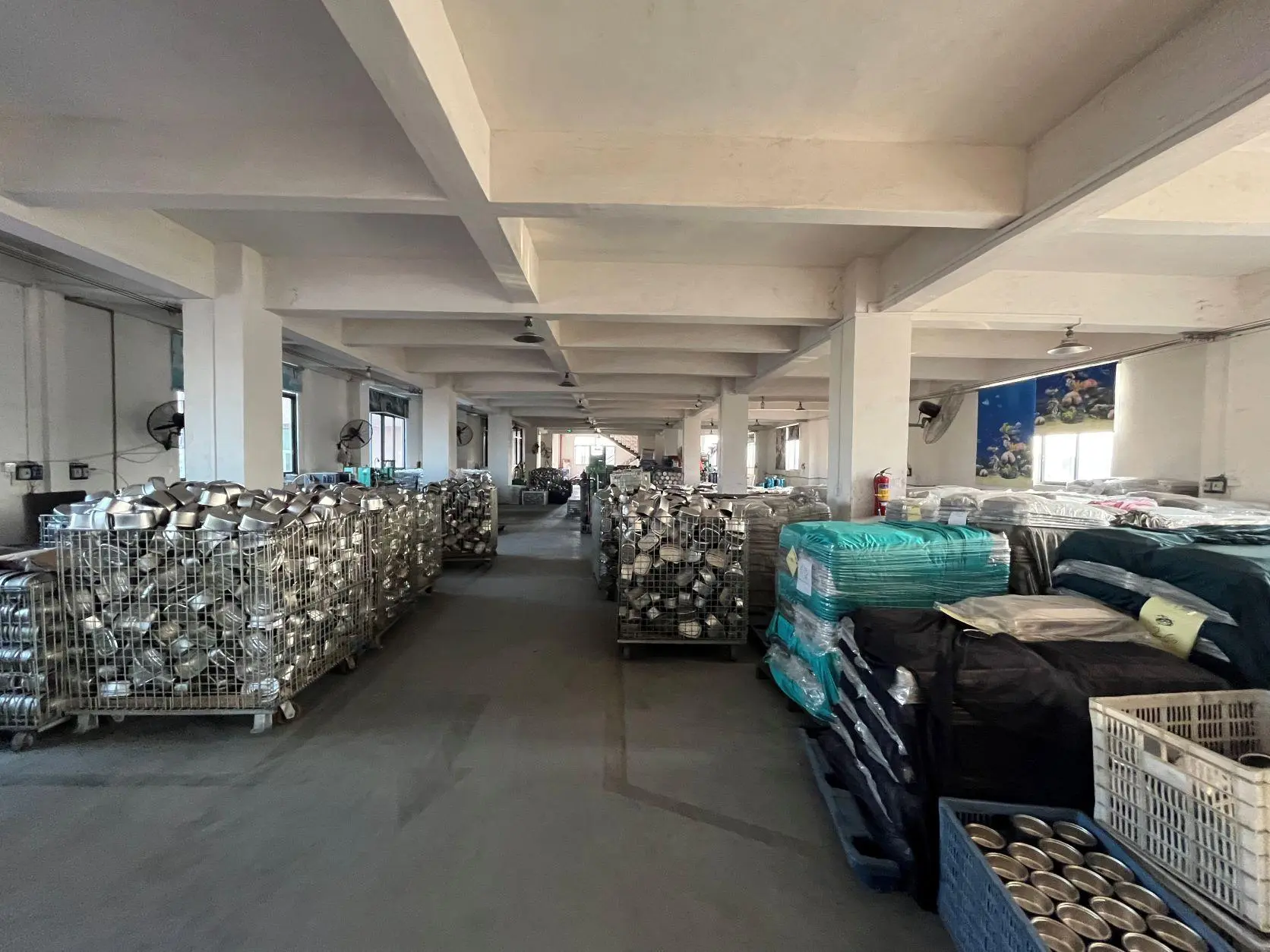
Chaozhou is widely recognized as the global epicenter of stainless steel kitchenware manufacturing. Sourcing from Chaozhou Jinrenkang grants Jakarta-based importers direct access to a highly integrated supply chain. Our raw material sourcing, sheet metal slitting, high-tonnage hydraulic deep-drawing, automated edge rolling, laser welding, and high-speed polishing operations are concentrated within a 15-kilometer radius. This geographic efficiency significantly lowers transportation overhead, minimizes energy costs, and reduces production cycles down to 25–35 days—even for complex OEM/ODM projects.
For Indonesian procurement partners, this translates to competitive ex-works pricing that cannot be matched by localized, low-volume producers in Southeast Asia. Additionally, our factories comply with ISO 9001:2015 quality management systems, ensuring that batch-to-batch chemical composition and tensile strength remain absolutely uniform.
Tailoring our stainless steel cookware and dinnerware to match local hospitality, catering, and culinary expectations.
Jakarta’s food scene is a vibrant mix of traditional Indonesian food stalls (Warung), upscale modern establishments in South Jakarta, and rapidly expanding franchise networks. Our stainless steel solutions are specifically optimized for these varied operational environments:
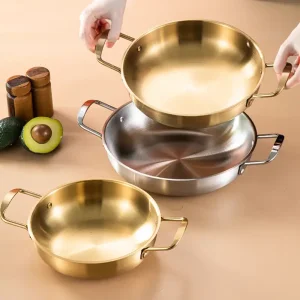
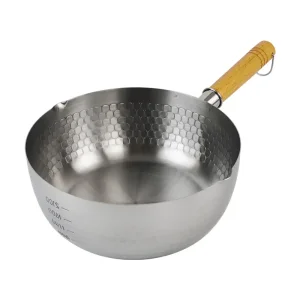
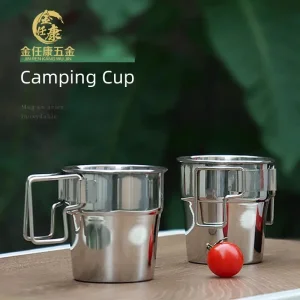
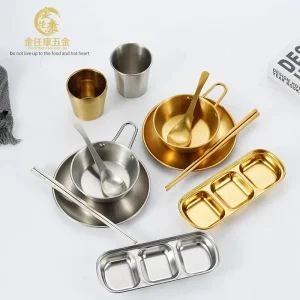
Our high-capacity export catalog includes heavy-duty cookware, specialty boiling pots, and stackable food service containers.
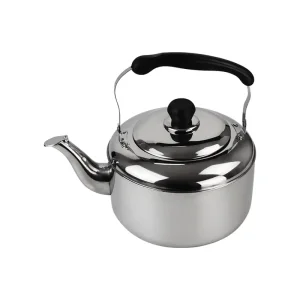
Mitigating supply chain risks through structured shipping operations, custom packaging, and complete tariff optimization.
Sourcing bulk kitchenware from China to Jakarta requires deep knowledge of maritime logistics and regional customs frameworks. Chaozhou Jinrenkang has developed a streamlined process to support local buyers, ensuring hassle-free clearance at the Port of Tanjung Priok (IDTPP).
By issuing a certified Form E (Certificate of Origin), we enable Indonesian importers to benefit from preferential tariff rates under the ASEAN-China Free Trade Agreement. This certificate can reduce the standard import duties on stainless steel tableware down to 0% - 5%, drastically lowering your total landing cost and boosting your margins in the competitive local market.
Our proximity to Shenzhen (Yantian/Shekou) and Shantou ports allows us to schedule weekly vessel departures. The maritime transit time from South China ports to Tanjung Priok generally ranges from 9 to 14 days, offering a highly reliable inventory replenishment cycle for wholesalers in Jakarta.
To prevent saltwater corrosion and physical deformation during ocean transit, we implement robust packaging standards. Each bowl is wrapped in an individual polybag, layered with impact-resistant bubble sheets, and packed into heavy-duty 5-ply double-corrugated export cartons. For Full Container Loads (FCL), we secure the shipments on fumigated wooden pallets with heavy stretch wrapping to prevent shifting during transit.
Expert technical answers regarding bulk procurement, alloy options, food safety certifications, and shipping logistics.
 Jinrenkang Hardware