Engineered for compliance with the Japan Food Sanitation Act (JFSA). Designed for high-frequency industrial and retail dining use cases.
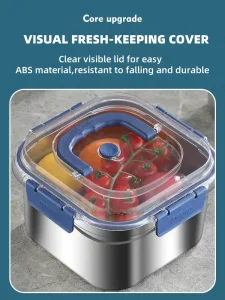
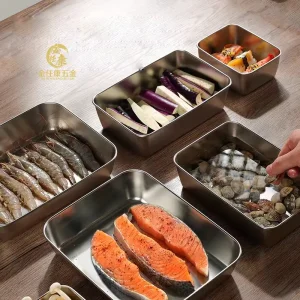
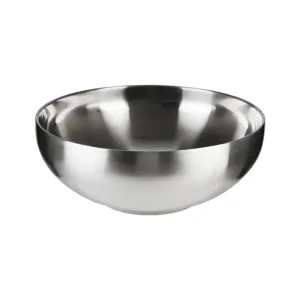
The food service and storage market in Japan has shifted toward strict compliance, longevity, and hygiene. With the mandatory implementation of HACCP (Hazard Analysis and Critical Control Point) principles for all food businesses in Japan since June 2021, food processing facilities, central kitchens, and "Nakashoku" (home meal replacement/Bento) providers face rigorous standards for cross-contamination control.
Traditional plastic containers fail to meet the longevity requirements of Japanese commercial washing machines, which wash at high temperatures (over 80°C) using sanitizing chemicals. PP/PE plastics absorb odors, degrade, and leach microplastics. This has caused a significant transition to food-grade metal containers, specifically the ABS plastic cover stainless steel crisper.
This hybrid product addresses two critical needs: the food contact portion is crafted from high-performance SUS304 or SUS316 stainless steel to prevent corrosion, odor absorption, and bacterial colonization, while the impact-resistant ABS lid offers an airtight seal, maintaining the cold chain and preventing leakage during transport.
Ensuring synthetic resin components (ABS covers) meet rigorous migration testing thresholds for heavy metals and formaldehyde.
Electropolished SUS304 surface finish prevents organic particles from adhering, making cleaning fast and sterile.
Specially designed double-lip silicone seal prevents leakage during bumpy truck transit through urban Tokyo corridors.
How combining advanced polymers and alloys delivers superior durability, safety, and efficiency.
Acrylonitrile Butadiene Styrene (ABS) is chosen over standard Polypropylene for its high dimensional stability, rigidity, and impact resistance. Our ABS formulations include custom stabilizers to ensure no deformation under temperature ranges from -20°C to 80°C.
For the Japanese food industry, which handles highly acidic ingredients like pickled plums (Umeboshi) and soy sauce-heavy marinades, standard steel will pit. We utilize premium, nickel-enriched SUS304, undergoing a passivation treatment to form a dense chromium oxide barrier.
Our lid designs leverage a specialized groove that houses a high-rebound silicone gasket. When pressed down, it purges excess air to create a micro-vacuum environment. This retards oxidation, preserves flavor molecules, and extends storage life by up to 40%.
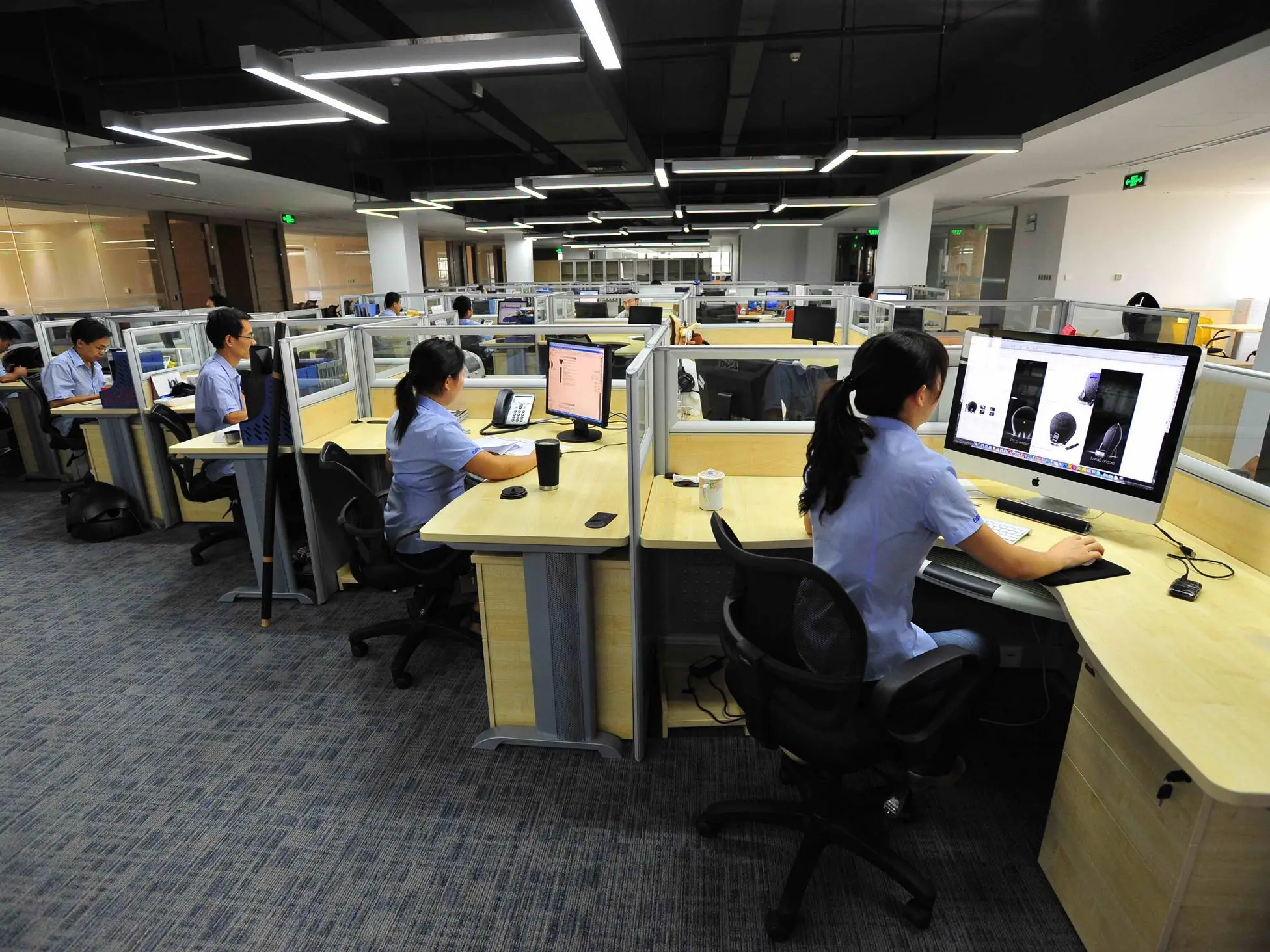
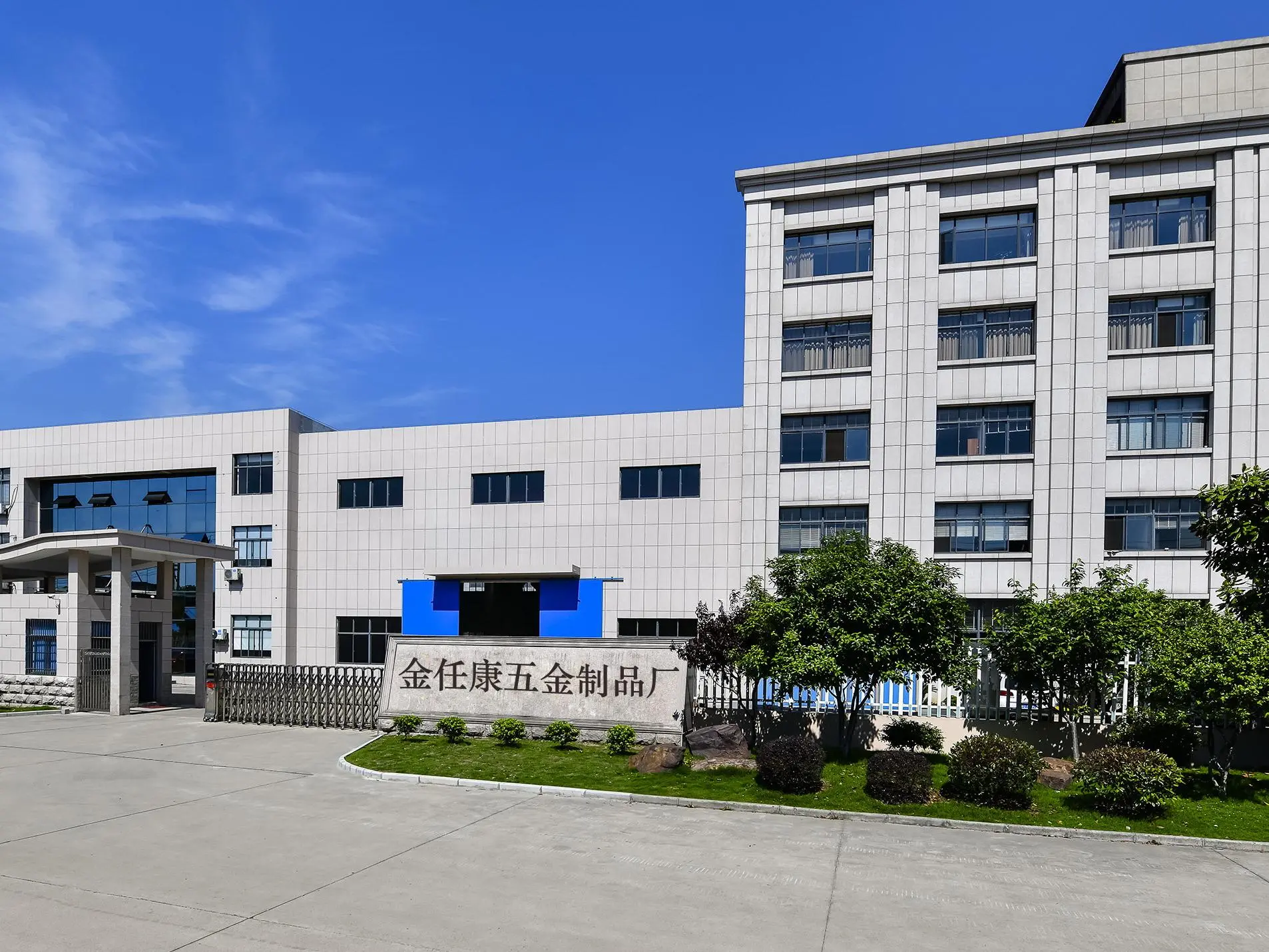
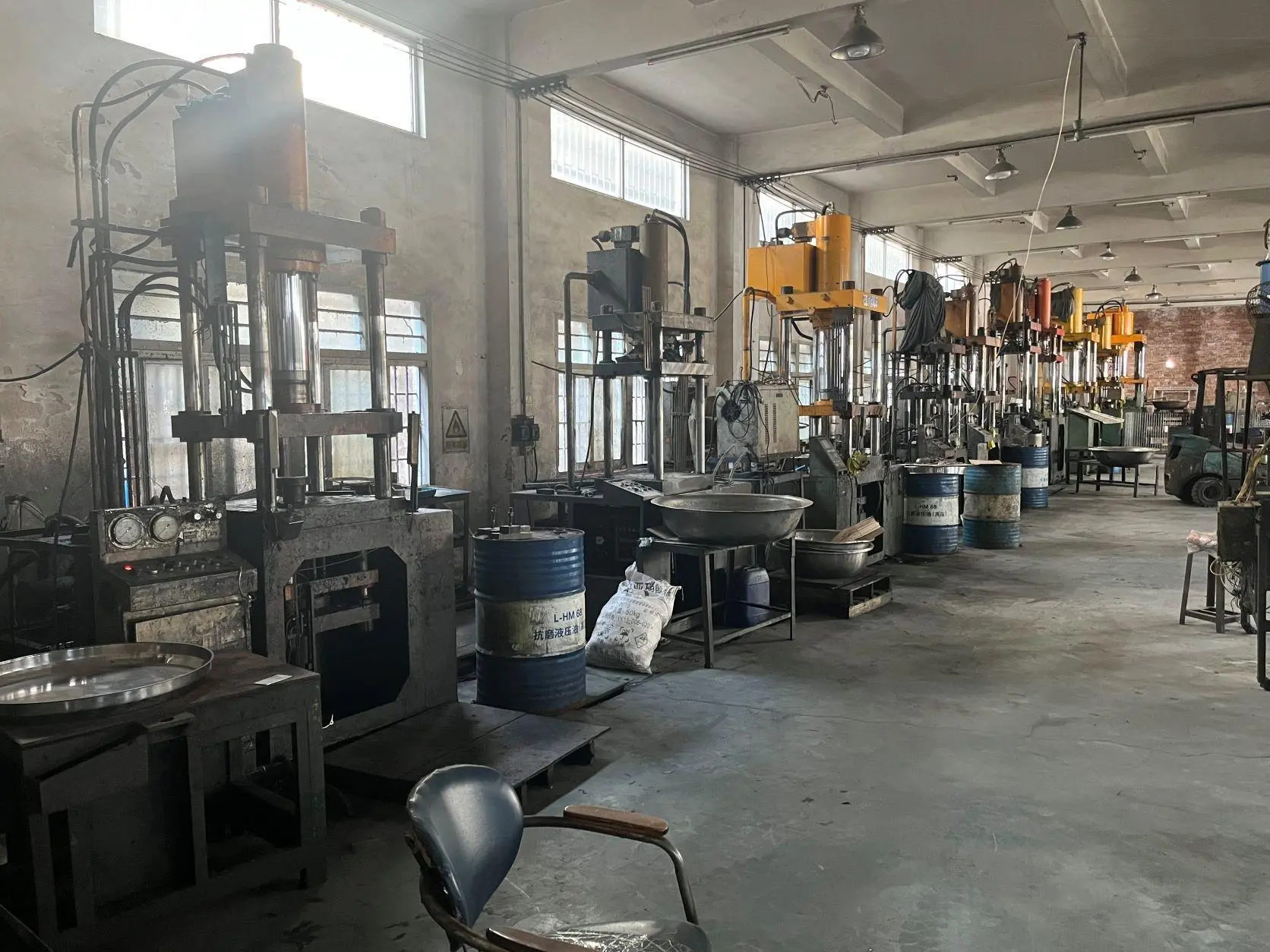
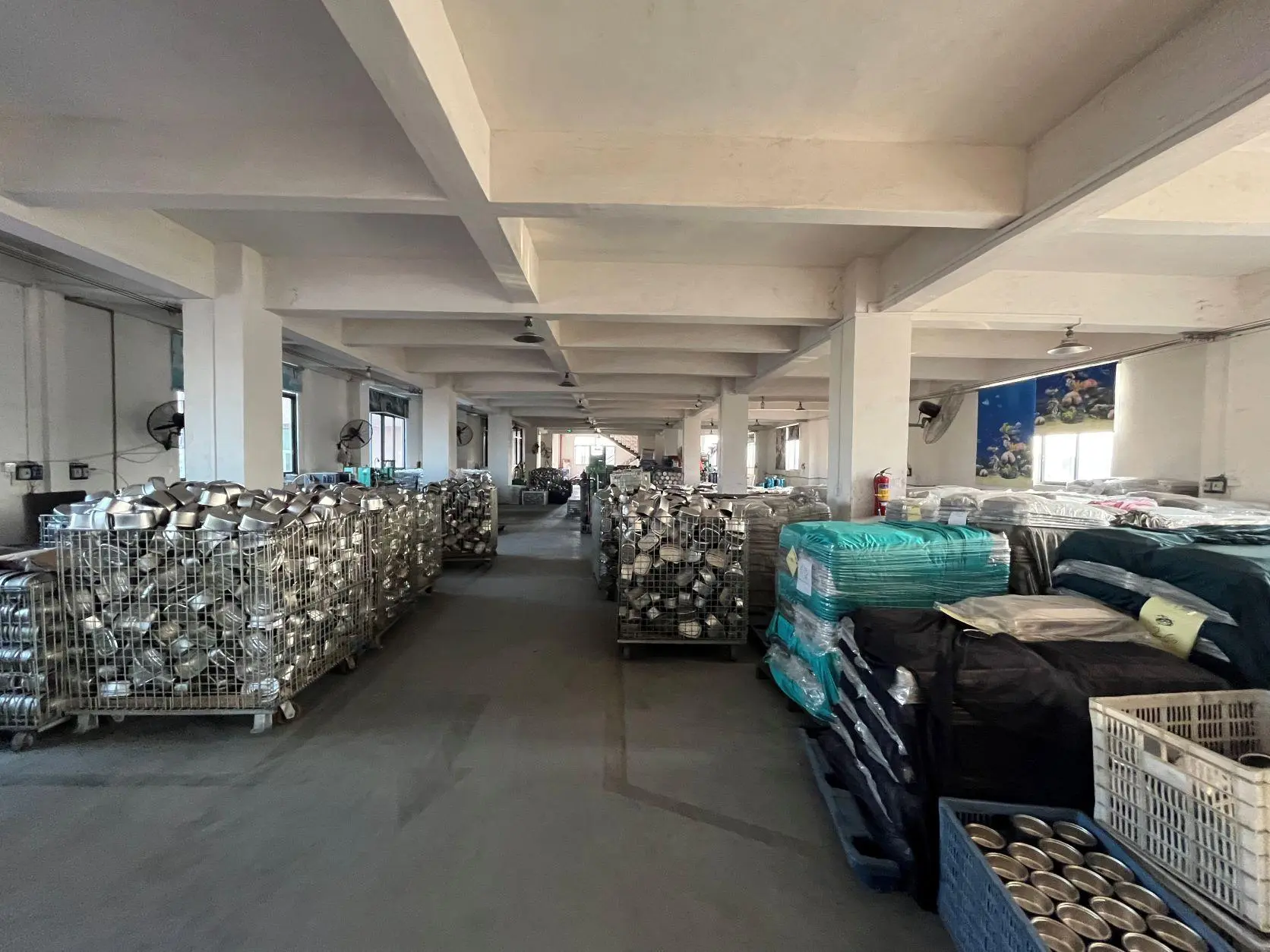
As a leading stainless steel kitchenware export enterprise, Chaozhou Jinrenkang Hardware Products Co., Ltd. integrates R&D, design, custom molding, and manufacturing. Our state-of-the-art facility features automated deep-drawing presses and mechanical polishing stations that guarantee absolute dimensional consistency across millions of units.
We serve markets globally, with an annual export value exceeding 40 Million USD. Our global supply chain strategy leverages direct shipping lines from nearby Shenzhen and Shantou ports to Japanese logistics centers like Tokyo, Osaka, and Kobe. This minimizes transit damage and reduces shipping timelines to 5–7 days.
By implementing a "Craftsmanship and Excellence" policy, our internal QC framework tests metal grain density, lid sealing integrity under simulated transportation pressures, and chemical safety to ensure flawless arrival and implementation in Japanese markets.
Inquire About Factory PricingExporting to the Japanese market requires more than standard manufacturing. The Ministry of Health, Labour and Welfare (MHLW) enforces some of the strictest food safety parameters worldwide. Specifically, any plastic resin used in contact with food must align with the Positive List System introduced under the amended Food Sanitation Act.
At Jinrenkang, we address these requirements proactively:
We provide full transparency, supplying material test sheets, compliance declarations, and manufacturing certificates with every shipment to expedite customs clearance and satisfy quality audits.
We collaborate with Japanese commercial kitchen distributors and private brands to provide complete customization:
High-precision laser etching for logos and identification tracking.
Custom dimensions configured to fit Japanese modular shelving systems.
Custom-tinted ABS lids to support color-coded kitchen zoning.
Japanese language retail-ready packaging & barcode labeling.
Consult with our structural engineering and compliance team. Get detailed product samples, custom design configurations, and competitive factory quotes today.
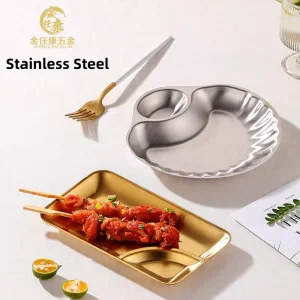
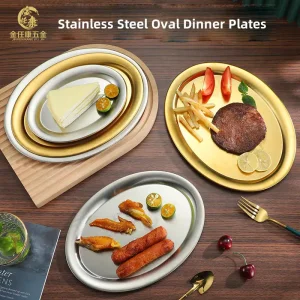
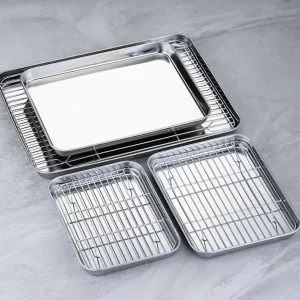
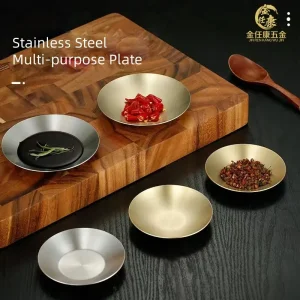
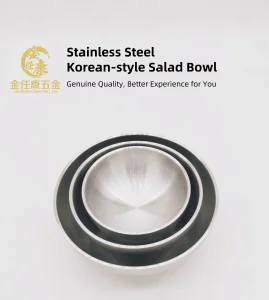
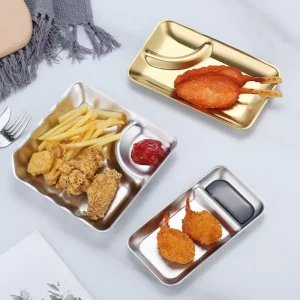
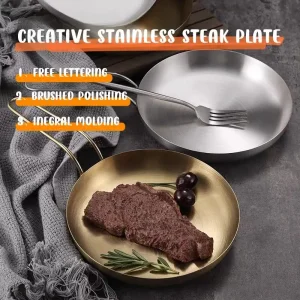
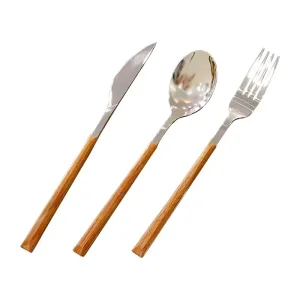
Send Inquiry NowFrom traditional serving platters to specialized kitchen tools, explore our comprehensive range.
Expert answers addressing the concerns of Japanese procurement directors, QA managers, and distributors.
Yes, all ABS lids supplied to the Japanese market are compliant with the Positive List System under Article 18 of the Food Sanitation Act. We use certified food-grade ABS resin that has been tested for total migration, monomer residues, and heavy metals. We supply official testing documents from third-party bodies (such as SGS or TUV) with every shipment to support your compliance verification.
SUS304 contains approximately 18% chromium and 8% nickel, providing strong resistance to rusting and oxidation under exposure to food acids, humidity, and detergent chemicals. Many traditional Japanese dishes utilize high concentrations of salt, soy sauce, and vinegar, which can cause pitting in lower-grade steels like SUS201. For extreme conditions, we can also customize production using SUS316, which includes molybdenum for enhanced resistance to saline solutions.
The stainless steel container is heat-safe and can handle autoclave, steaming, and high-temperature sanitizing cycles. The ABS lids are designed to withstand temperatures up to 80°C. For industrial wash lines exceeding 85°C, we recommend removing the lids or utilizing our specialized heat-resistant Tritan or Polycarbonate (PC) lids, which we can manufacture upon request.
We employ precision hydraulic stamping tools with tolerances within ±0.1mm. During development, we align with Gastronorm (GN) sizing standards and modular sizing frameworks common to major Japanese refrigeration brands like Hoshizaki and Panasonic. This ensures seamless integration with automated food lines and modular kitchen racks.
For standard sizes in our catalog, the MOQ starts at 1,000 units per line item. For customized OEM sizing, custom tooling, or unique colors, the MOQ starts at 3,000 units. Standard production lead times are 25–35 days after receipt of deposit, with sample approval completed within 7–10 days.
Based in Chaozhou, the premier stainless steel manufacturing hub in China, we leverage a highly localized supply chain for raw materials, polishing compounds, and tooling. Our production lines are automated to reduce labor costs, and our high-volume output of over $40 million in annual exports allows us to secure bulk raw material discounts. These savings are passed directly to our Japanese OEM partners.
Connect with our export division to request structural design drawings, material safety data sheets, and custom quotes.
Send Inquiry Now Jinrenkang Hardware