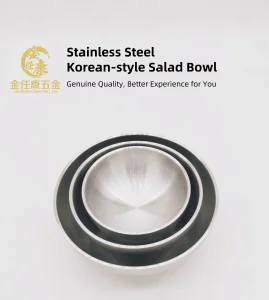
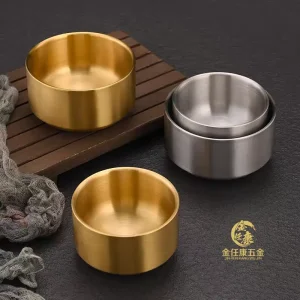
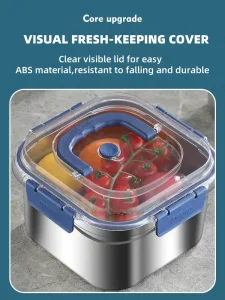
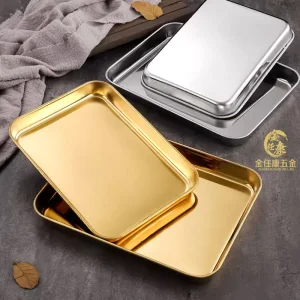
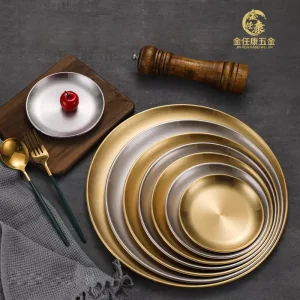
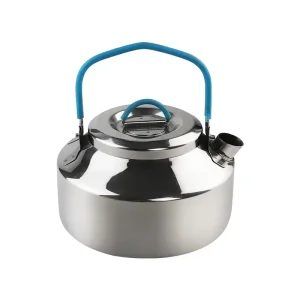
In the modern HORECA (Hotel, Restaurant, and Catering) sector, the demand for OEM Stainless Steel Dipping Bowls has transcended simple utility. As global culinary trends lean towards small-plate dining, tapas, and artisanal condiments, the physical vessel has become a critical touchpoint for brand identity and food safety. Stainless steel, particularly 304 and 316L grades, stands at the pinnacle of material science in the food service industry due to its non-porous surface and extreme durability.
The global stainless steel tableware market is projected to reach USD 15.2 billion by 2028, driven by the shift away from single-use plastics and the rise of durable, eco-friendly kitchenware.
Strict FDA (USA), LFGB (Germany), and GB (China) standards are reshaping how exporters manage trace elements in alloys, ensuring zero leaching into acidic sauces.
Manufacturers are moving beyond generic designs to offer precision-engineered dipping bowls with customized PVD coatings and laser-etched branding.
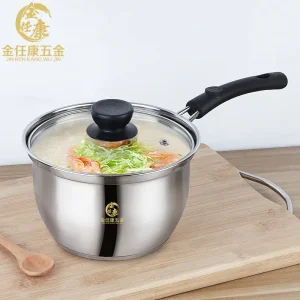
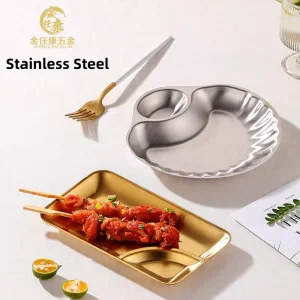
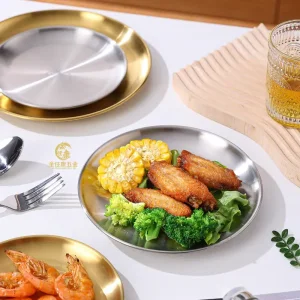
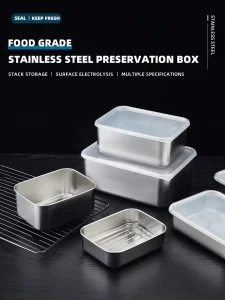
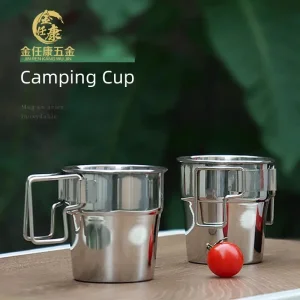
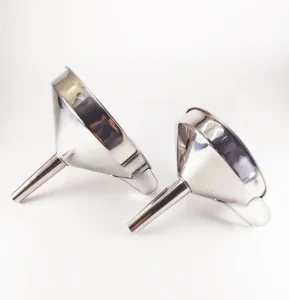
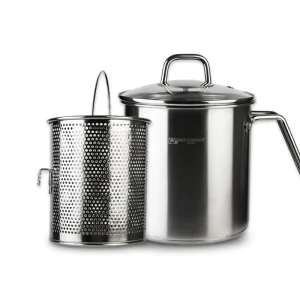
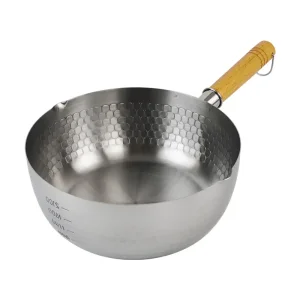
Chaozhou Jinrenkang Hardware Products Co., Ltd. is a large and professional stainless steel kitchenware export and foreign trade enterprise that integrates research and development, design, customization, manufacturing, and sales. The company has always focused on the development and exploration of stainless steel tableware products, covering several series and hundreds of products such as soup pots, steamers, wire racks, and meal plates. The flexible integration of various products provides overseas customers with more diverse choices.
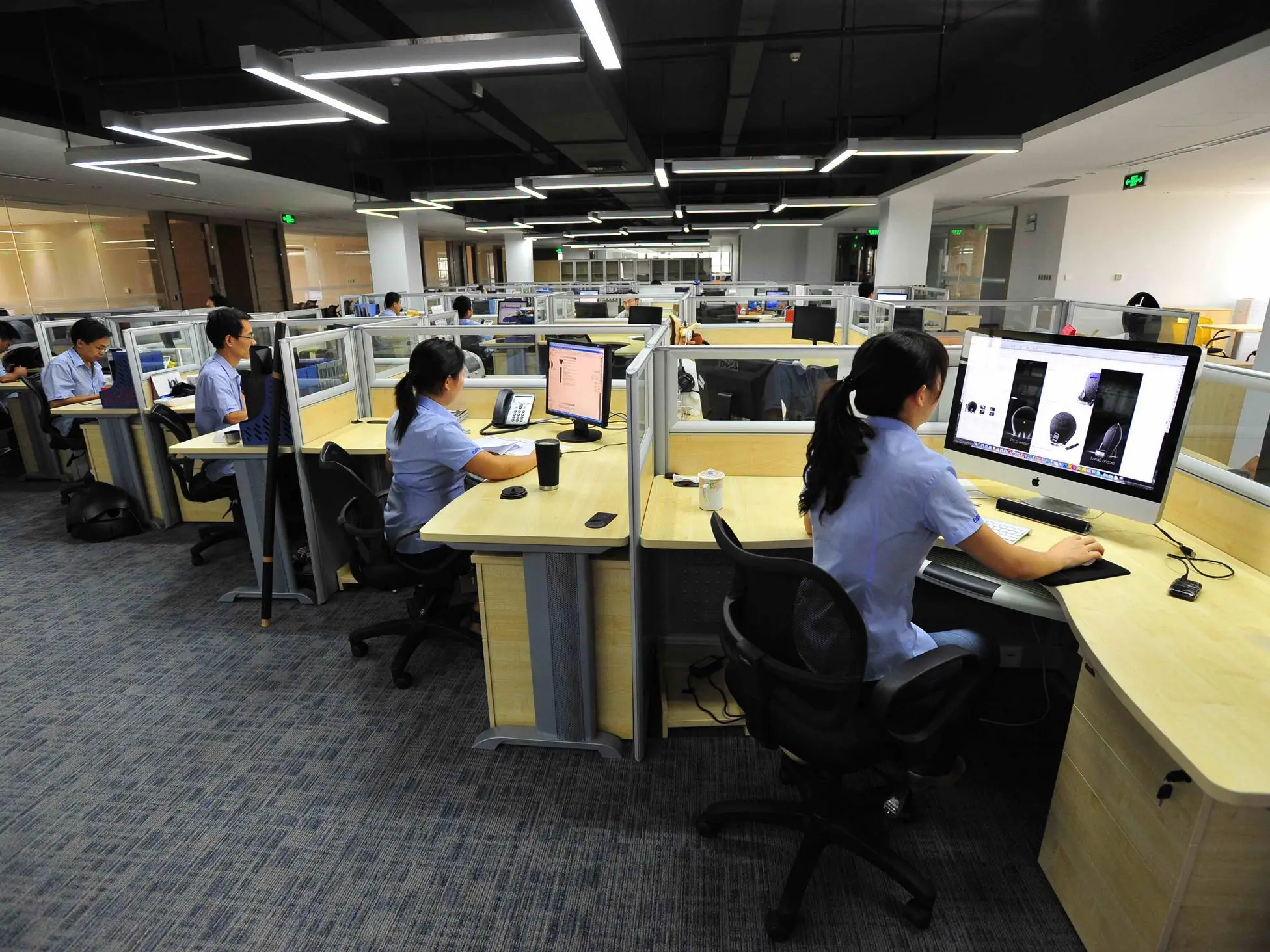
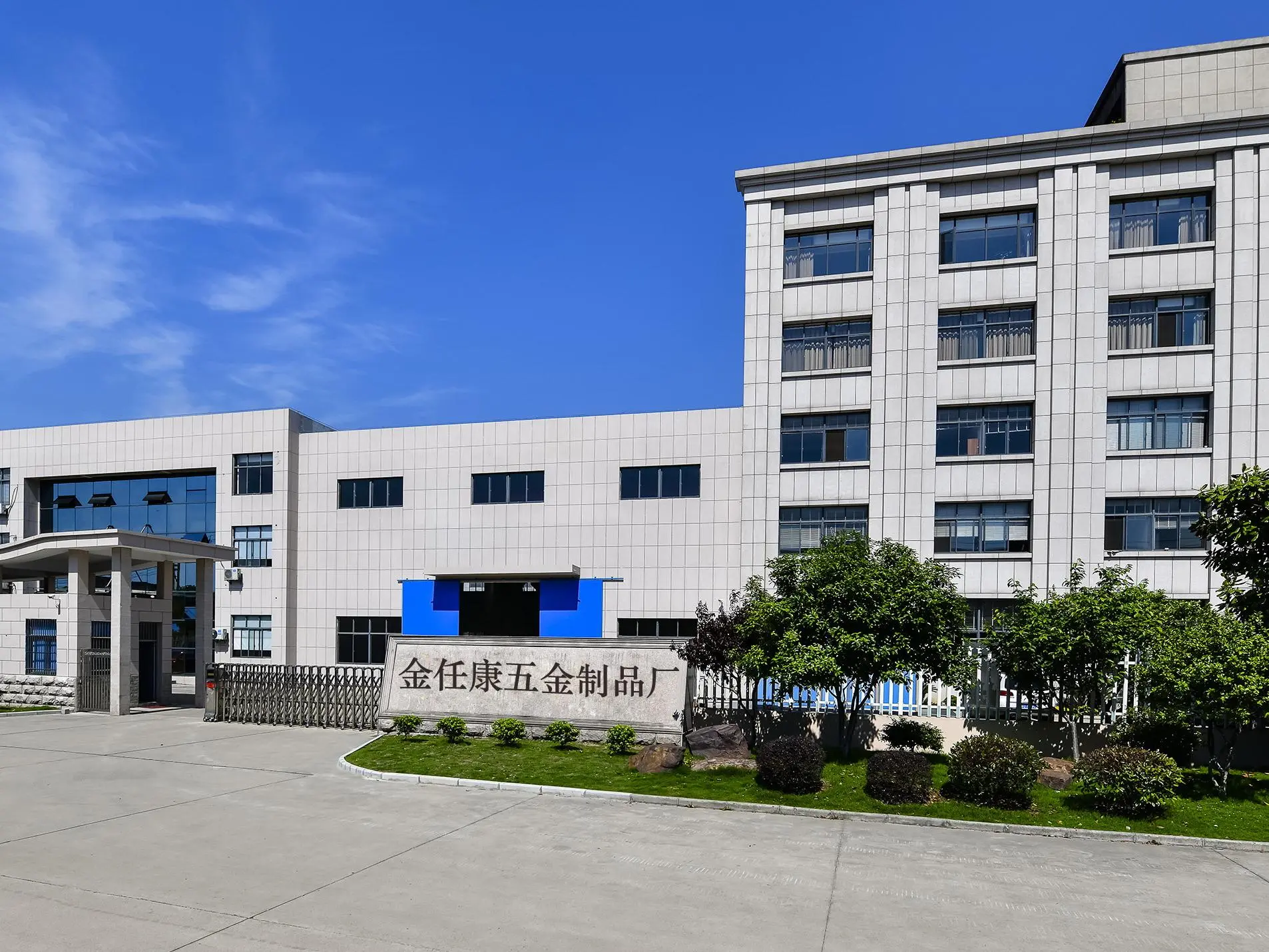
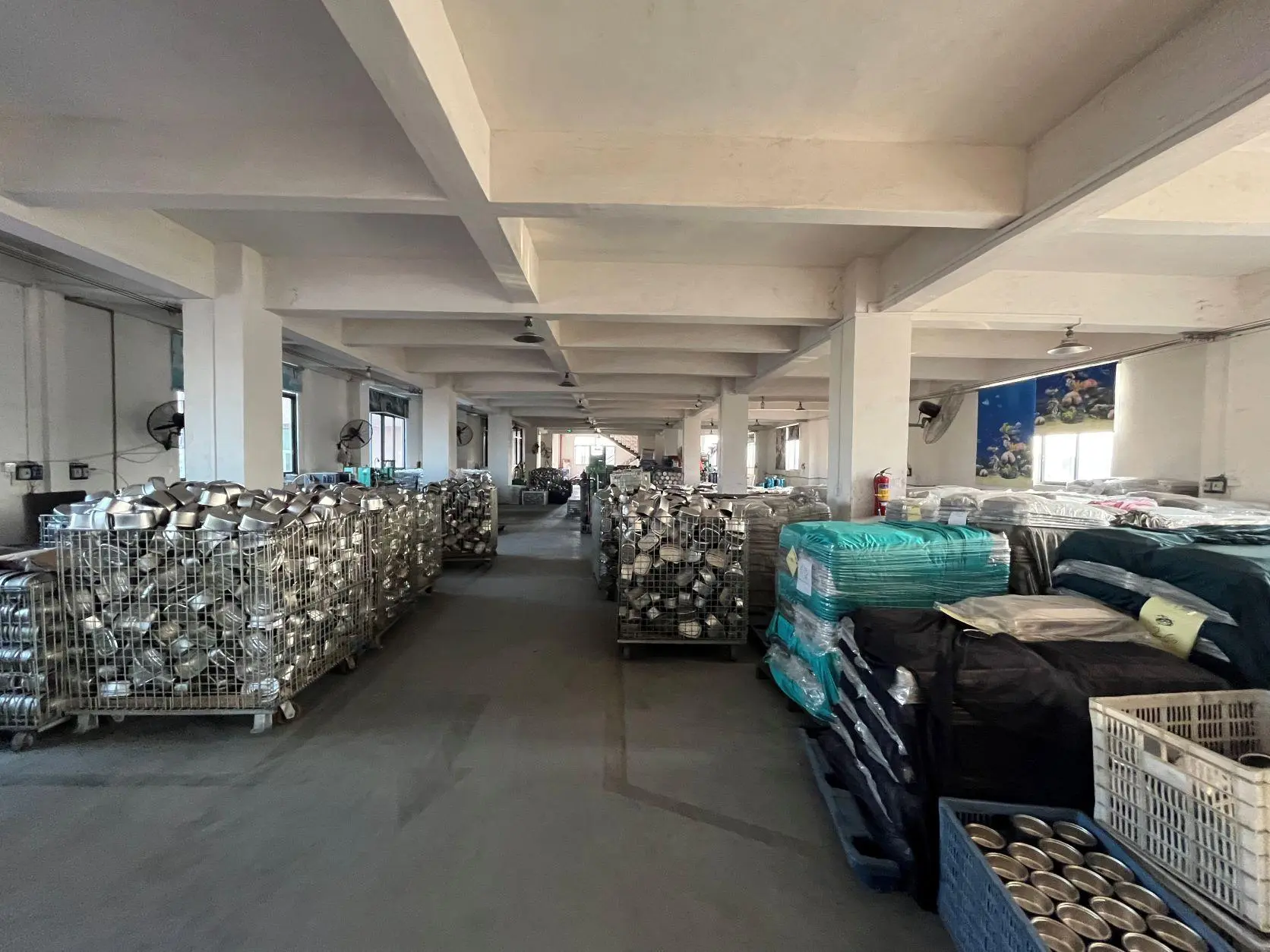
Chaozhou Jinrenkang Hardware Products Co., Ltd. has been committed to implementing a global operational strategy and building a comprehensive sales and service system. Our company has stable cooperative relationships with many well-known enterprises at home and abroad, and our product sales are spread to more than 100 countries and regions such as the United States, Canada, the United Kingdom, and Australia, with an annual export value exceeding 40 million US dollars. Through a sales network covering major global markets, we provide affordable, durable, and safe stainless steel kitchenware to global consumers.
Countries Served
Annual Export Value
Product SKUs
Years Experience
Our engineering team focuses on three core pillars: Material Integrity, Surface Finishing, and Structural Longevity. Unlike retail-grade bowls, industrial-grade dipping bowls manufactured by Jinrenkang undergo a series of rigorous chemical treatments.
We utilize primarily 18/8 (SUS304) and 18/10 (SUS316) austenitic stainless steel. The addition of Molybdenum in 316 grade bowls makes them exceptionally resistant to the corrosive effects of salt-heavy soy sauces and acidic vinegars common in global cuisines.
To ensure "Information Gain" in quality, our process includes a specialized Nitric Acid Passivation step. This removes free iron from the surface and enhances the protective chromium oxide layer, preventing rust even in high-humidity commercial kitchens. Our finishing options include:
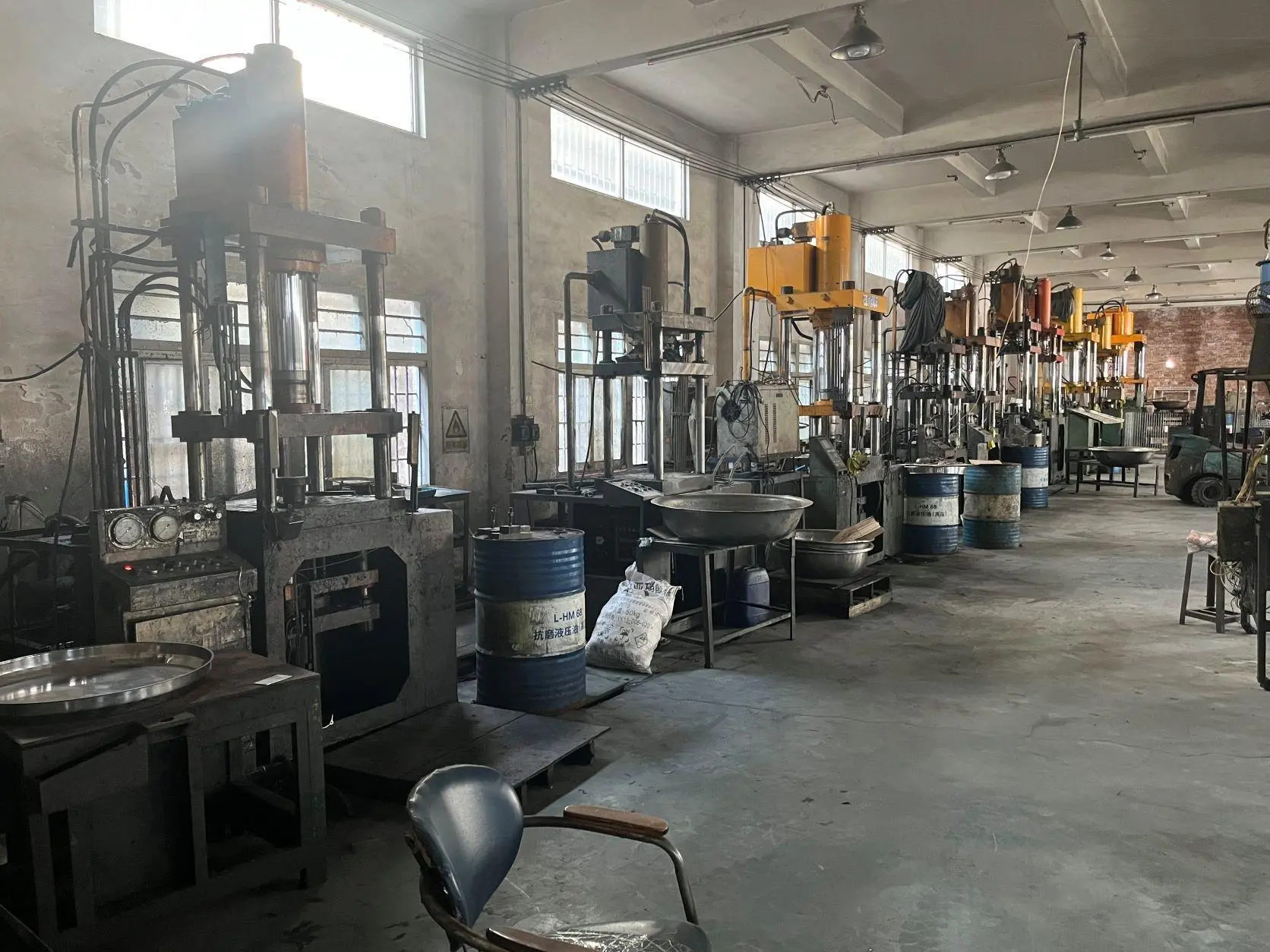
Using 500-ton hydraulic presses, we ensure uniform wall thickness, which is vital for thermal stability. The "Anti-Drip" rim design is a signature of our OEM manufacturing, preventing liquid overflow during rapid service.
We recognize that a dipping bowl in a Texas BBQ joint has different functional requirements than one in a Tokyo Sushi bar. Our localized solutions include:
Focus on heavy-duty gauge (0.7mm+) and large capacities (3oz-5oz) for ranch and buffalo sauces. Full compliance with NSF standards.
Emphasis on sleek, minimalist design and strict LFGB certification. Preference for stackable designs to optimize storage in compact kitchens.
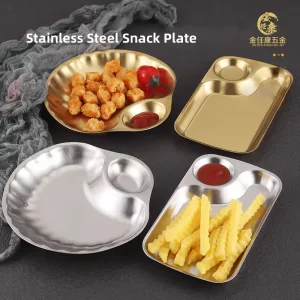
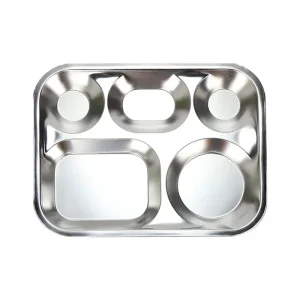
Precision multi-grid plates for diverse condiment offerings. High demand for vacuum-insulated double-wall bowls to maintain sauce temperatures.
We provide full documentation for REACH compliance in the EU and Proposition 65 in California. Our logistics network supports DDP (Delivered Duty Paid) shipping to major ports, reducing the administrative burden for our importers.
The next decade of stainless steel manufacturing will be defined by Industry 4.0. At Jinrenkang, we are already integrating robotic polishing arms to ensure 100% consistency across million-unit production runs. Furthermore, our "Green Factory" initiative aims to recycle 95% of water used in the polishing process.
We are also exploring the integration of RFID-enabled inventory tracking for large-scale catering operations, allowing hotels to track tableware loss and usage cycles automatically.
 Jinrenkang Hardware