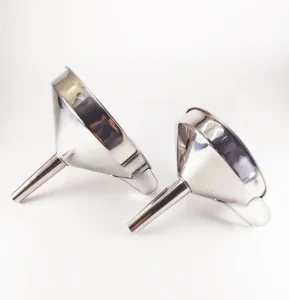
High-Quality Kitchen Accessories Stainless Steel Kitchen Funnel Suppliers, Factories
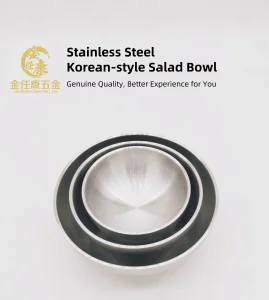
China Stainless steel Korean Salad Bowl Manufacturer, Service
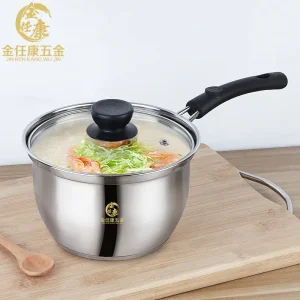
Custom High quality food grade stainless steel single handle soup pot Manufacturers, Factories
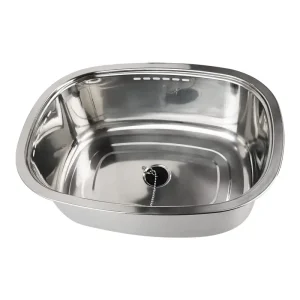
High-Quality Stainless Steel Outdoor Portable Dishwashing Sink Factory, Service
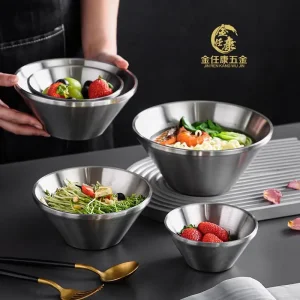
Custom Stainless Steel Double-layer V-shaped Bowl Factory, Exporters
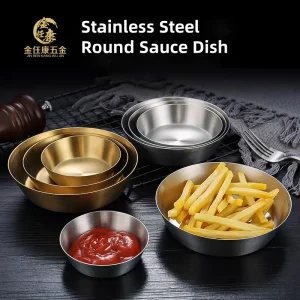
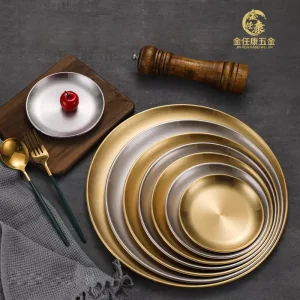
Custom Stainless Steel Round Sauce Dish and Dinner Plate Suppliers, Service
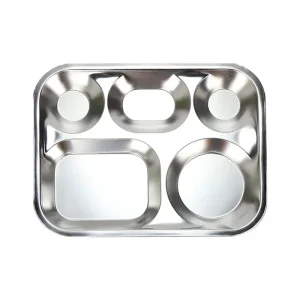
OEM Stainless Steel Five-Compartment Tray Fruit Tray Manufacturer, Factory
In the contemporary global food processing and catering landscape, the demand for high-performance OEM stainless steel bowls for steaming has transitioned from simple utilitarian needs to complex engineering requirements. Steaming, as a healthy and efficient cooking modality, requires vessels that can withstand high-pressure steam, resist localized pitting corrosion, and provide uniform thermal distribution. As a premier factory and factory complex, Chaozhou Jinrenkang Hardware Products Co., Ltd. is at the forefront of this industrial shift, merging traditional craftsmanship with AI-driven manufacturing optimizations.
This white paper explores the critical success factors for B2B procurement, technical material advancements, and the macro-economic drivers shaping the stainless steel kitchenware industry today.
Chaozhou Jinrenkang Hardware Products Co., Ltd. is a large and professional stainless steel kitchenware export and foreign trade enterprise that integrates research and development, design, customization, manufacturing, and sales. The company has always focused on the development and exploration of stainless steel tableware products, covering several series and hundreds of products such as soup pots, steamers, wire racks, and meal plates. The flexible integration of various products provides overseas customers with more diverse choices.
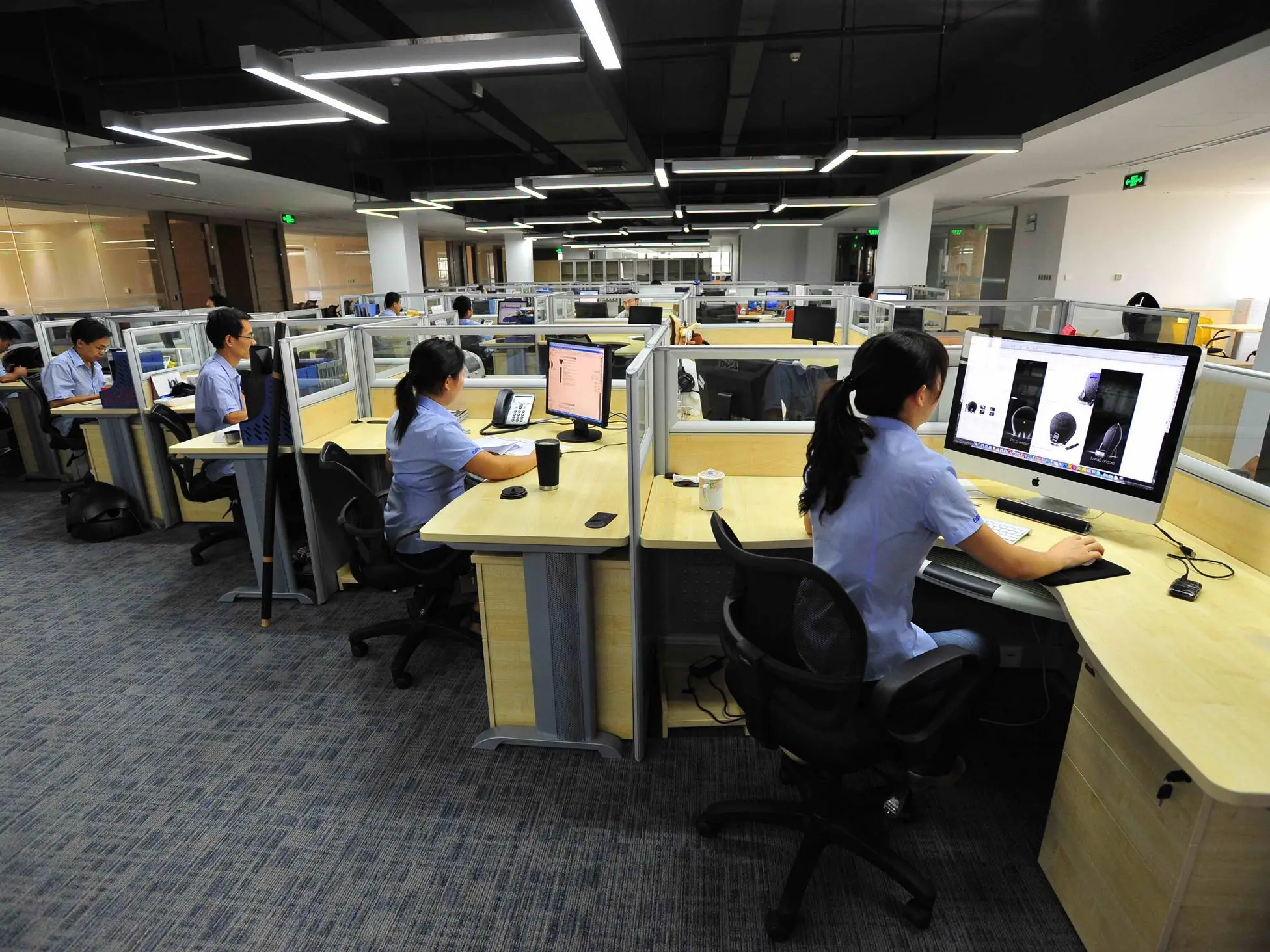
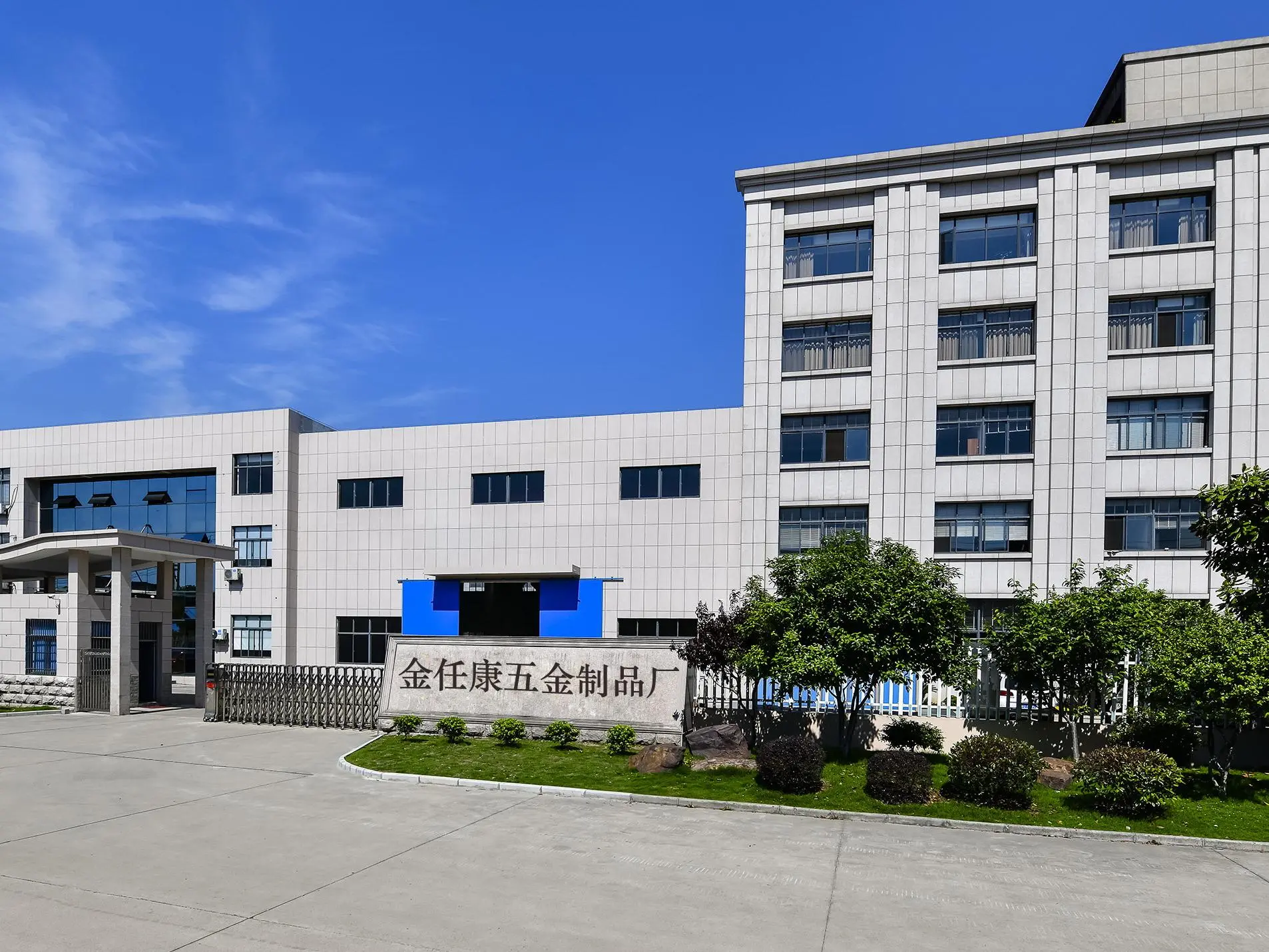
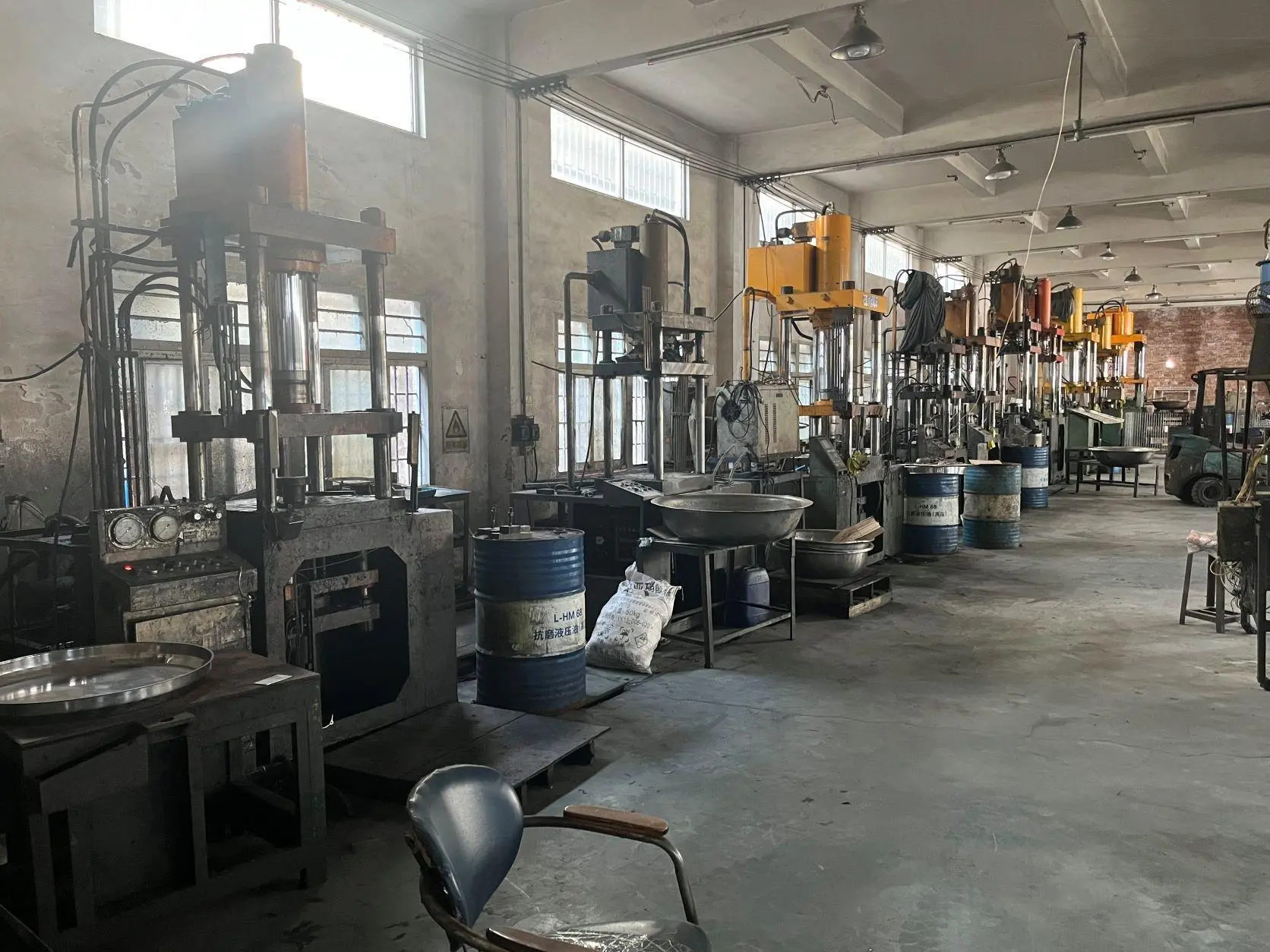
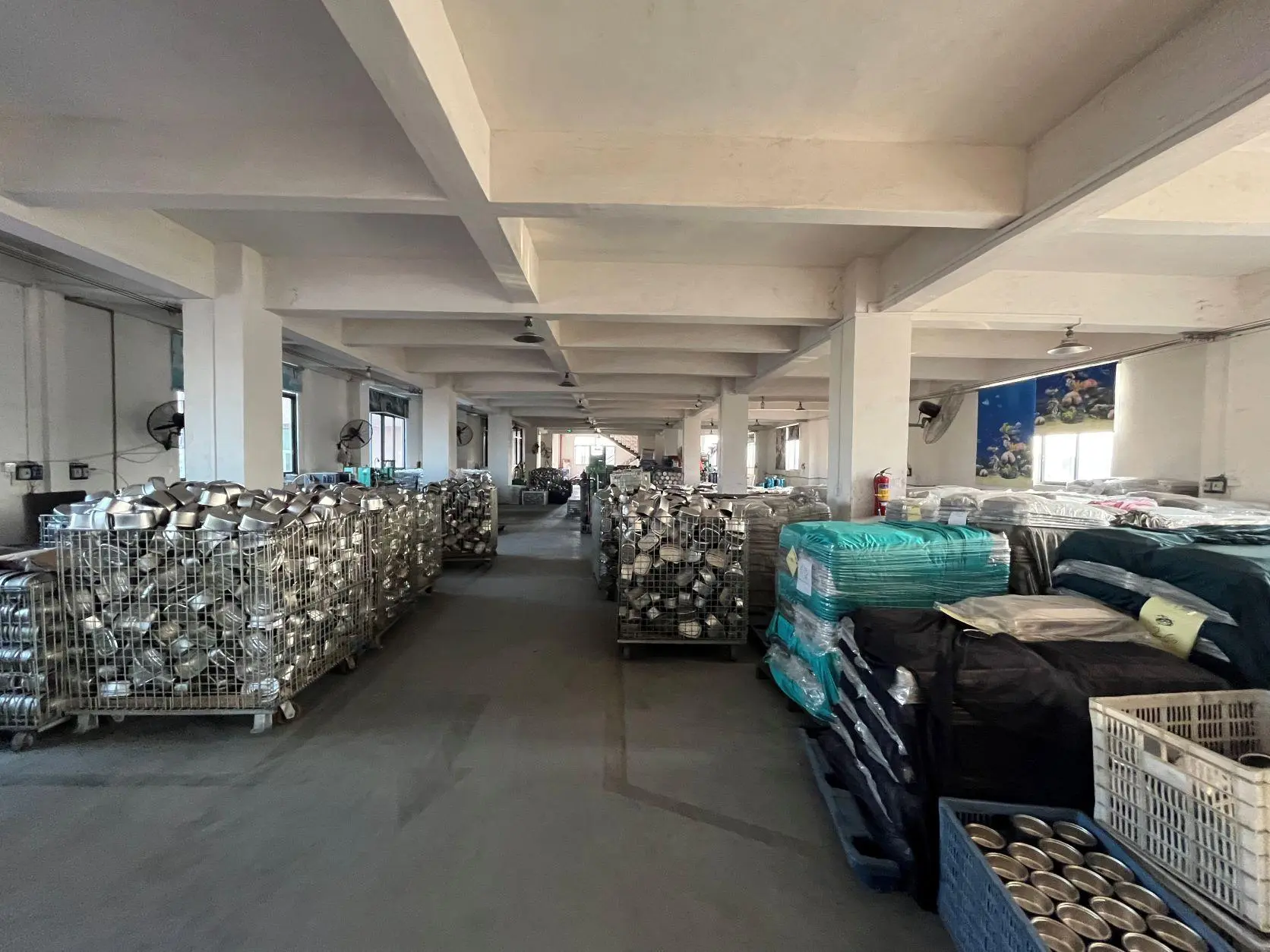
Enterprises in the US, Canada, and the UK are increasingly looking for "factory-direct" OEM partnerships to mitigate middleman costs and ensure consistent supply of food-grade 304 and 316 stainless steel vessels.
Global markets require strict adherence to FDA, LFGB, and REACH standards. Our manufacturing processes include passivated finishes and rigorous heavy-metal leaching tests to ensure 100% safety.
The rise of private labels in the kitchenware sector has driven the demand for deep OEM customization, from laser-etched logos to specific gauge thicknesses for industrial durability.
In the North American market, there is a surge in demand for stackable, space-efficient steaming bowls for commercial cloud kitchens. Conversely, the European market emphasizes ergonomic design and high-nickel content for superior longevity and aesthetic luster. Our company, with an annual export value exceeding $40 million, has tailored solutions for over 100 countries, ensuring localized support and logistic efficiency.
Providing a "Stainless Steel Bowl For Steaming" is not merely about metal forming; it is about providing a thermal solution. Our engineering team focuses on three core pillars:
Engineered wall thickness (ranging from 0.5mm to 1.2mm) to balance rapid heat conduction with structural integrity under high-pressure steam environments.
Utilization of electrolytic polishing and specialized non-stick physical textures to reduce bacterial adhesion and facilitate rapid cleaning in industrial dishwashers.
Transitioning to 100% recyclable steel alloys and reducing energy consumption during the deep-drawing process through AI-optimized hydraulic controls.
Introduction of antimicrobial stainless steel coatings and lightweight high-strength alloys.
Integration of IoT in production lines for real-time quality monitoring and zero-defect output.
Development of carbon-neutral production facilities and closed-loop scrap recycling programs.
Navigating the complexities of international trade requires a partner who understands local nuances. Chaozhou Jinrenkang provides:
Certified Quality Management Systems ensuring every "Factory" batch meets rigorous global benchmarks.
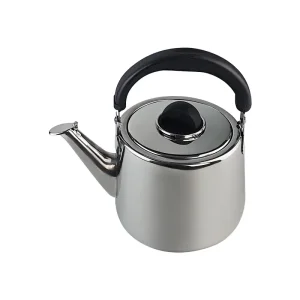
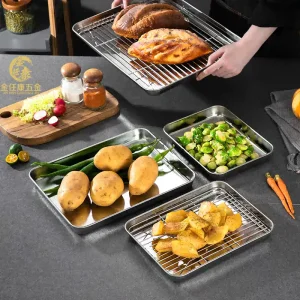
OEM Stainless Steel Shallow Square Plates Manufacturer, Exporter
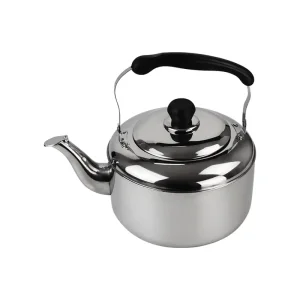
China Classical Stainless Steel Kettle Home Kitchen Tea Pots Kettles Suppliers, Factories
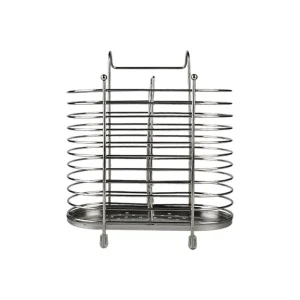
High-Quality Stainless Steel Chopstick Holder Kitchen Utensil Holder Factory, Service
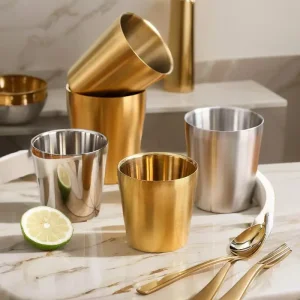
OEM Stainless Steel Double-layer Water Cup Manufacturers, Supplier
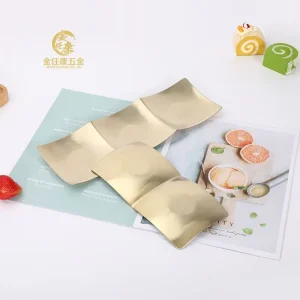
OEM Stainless Steel Square Multi Grid Dipping Dish Manufacturer, Supplier
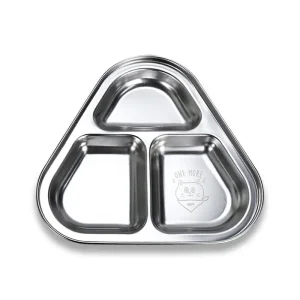
OEM Stainless Steel Three Compartment Tray Fruit Tray Exporter, Exporters
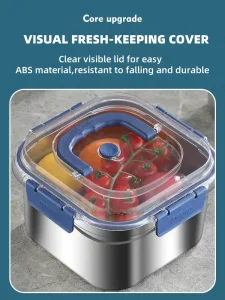
High-Quality ABS plastic cover stainless steel crisper Manufacturer, Factories
 Jinrenkang Hardware