While 304 remains the "gold standard" with high Nickel content, 201 utilizes Manganese as a substitute, offering a cost-effective solution for low-humidity environments.
Type 201 boasts approximately 30% higher yield strength than 304, making it ideal for structural applications where weight reduction is prioritized over extreme chemical resistance.
Price volatility in the London Metal Exchange (LME) Nickel market makes 201 a critical alternative for maintaining stable margins in high-volume export markets.
Understanding the chemical "DNA" of these alloys is essential for quality assurance (QA) in OEM manufacturing.
| Feature | Stainless Steel 201 | Stainless Steel 304 (18/8) | OEM Decision Factor |
|---|---|---|---|
| Nickel (Ni) | 0.5% - 1.5% | 8.0% - 10.5% | Corrosion protection grade |
| Manganese (Mn) | 5.5% - 7.5% | ≤ 2.0% | Structural hardness |
| Chromium (Cr) | 16% - 18% | 18% - 20% | Oxidation resistance |
| Magnetic Property | Non-magnetic (can be magnetic after cold work) | Non-magnetic (usually) | Verification method |
| PREN Value | ~17 (Low) | ~19 (Medium-High) | Pitting resistance in salt air |
Historically, Type 304 dominated 60% of the stainless steel market. However, due to the rapid growth of the EV battery sector (which consumes massive amounts of Nickel), the global industrial supply chain is shifting towards Type 201 and 400-series alloys. In regions like Southeast Asia and India, 201 has become the primary substrate for architectural hardware and hospitality equipment.
The industry is moving towards "Precision Metallurgy." Modern OEM suppliers now utilize AI-driven melt shops to refine Type 201 with copper (Cu) additions to improve formability, closing the gap with 304. We are also seeing a trend towards "Green Steel," where recycled scrap content accounts for 70% of the raw material in 304 production.
Coastal Environments (Miami, Dubai, Singapore): AISI 304 or 316 is mandatory. Type 201 will experience "tea staining" or pitting within months due to chloride exposure.
Arid/Indoor Markets (Central Asia, Interior Africa): AISI 201 is the optimal choice. It provides the same aesthetic luster as 304 but at a significantly lower entry price point for mass-market consumers.
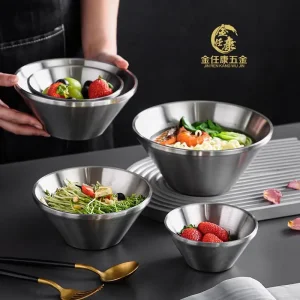
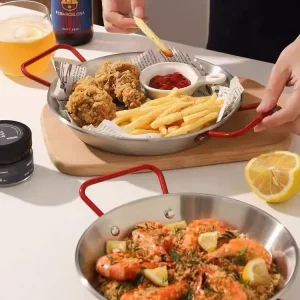
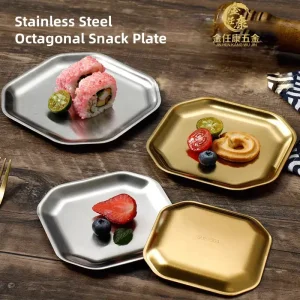
Chaozhou Jinrenkang Hardware Products Co., Ltd. is a large and professional stainless steel kitchenware export and foreign trade enterprise that integrates research and development, design, customization, manufacturing, and sales.
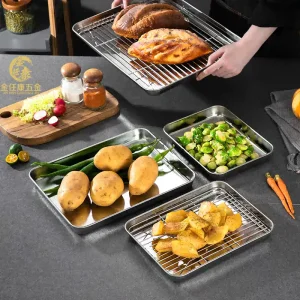
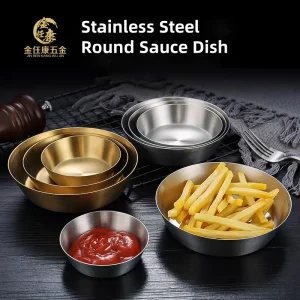
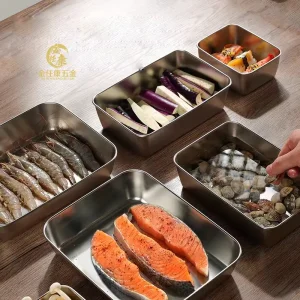
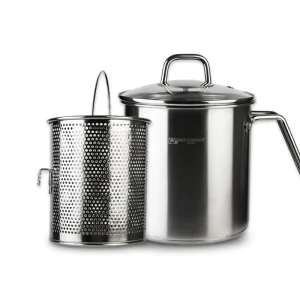
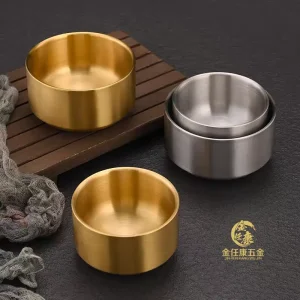
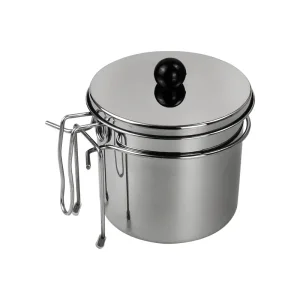
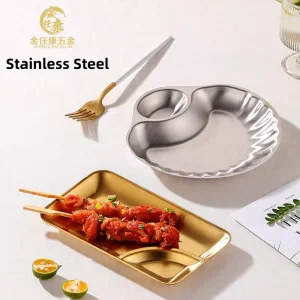
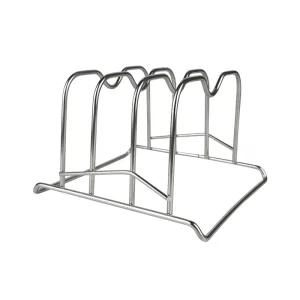
The company has always focused on the development and exploration of stainless steel tableware products, covering several series and hundreds of products such as soup pots, steamers, wire racks, and meal plates. The flexible integration of various products provides overseas customers with more diverse choices.
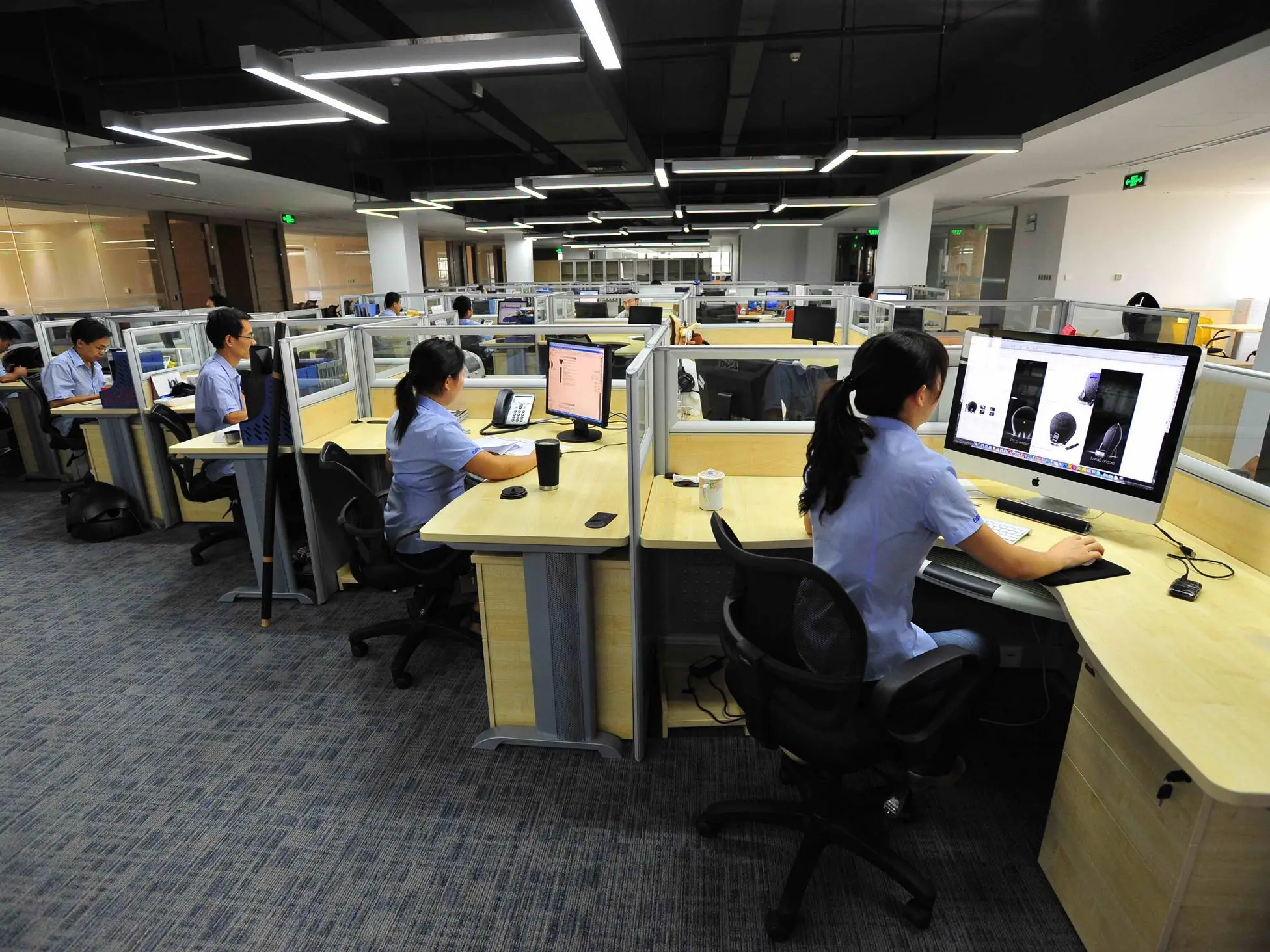
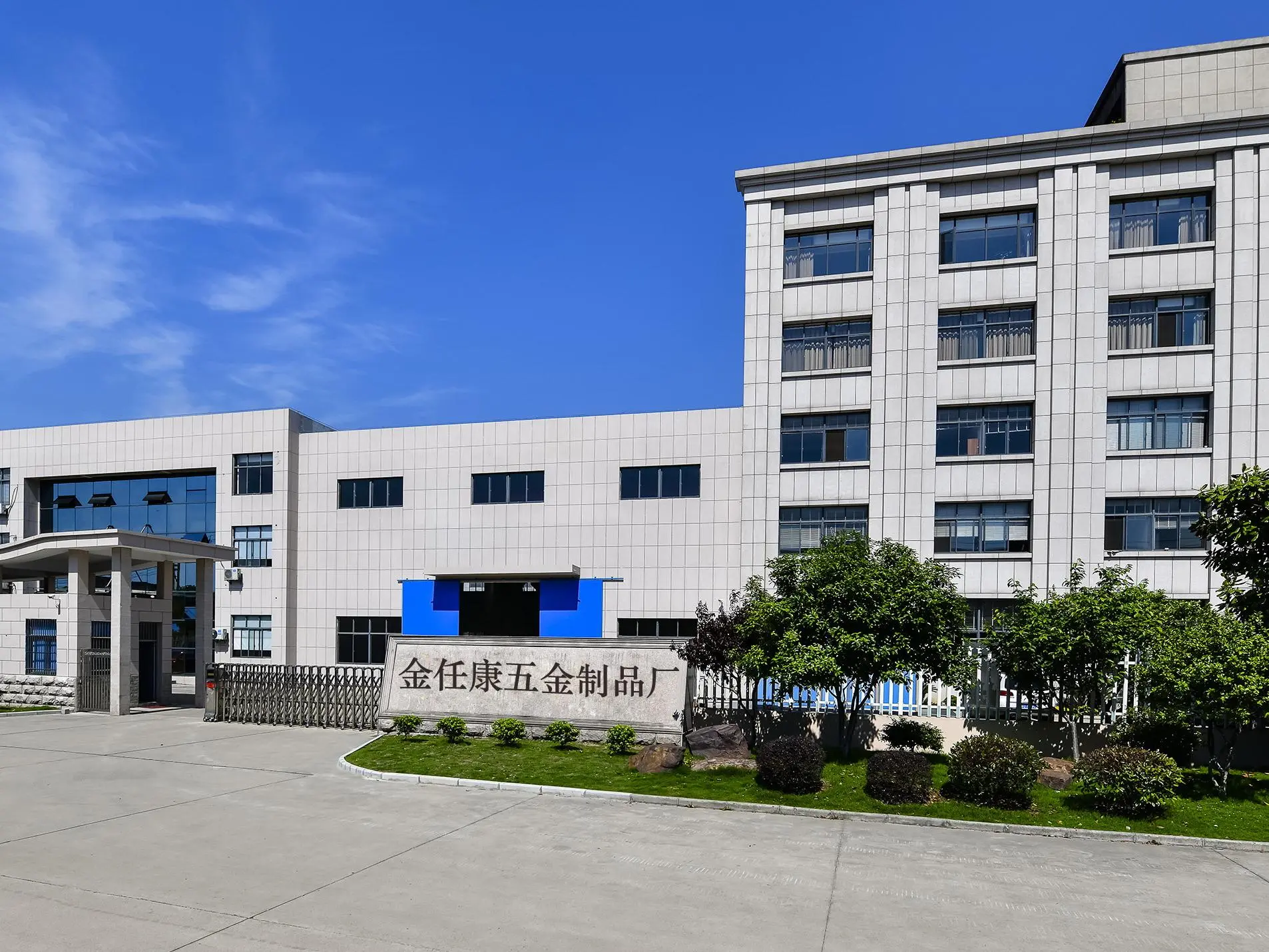
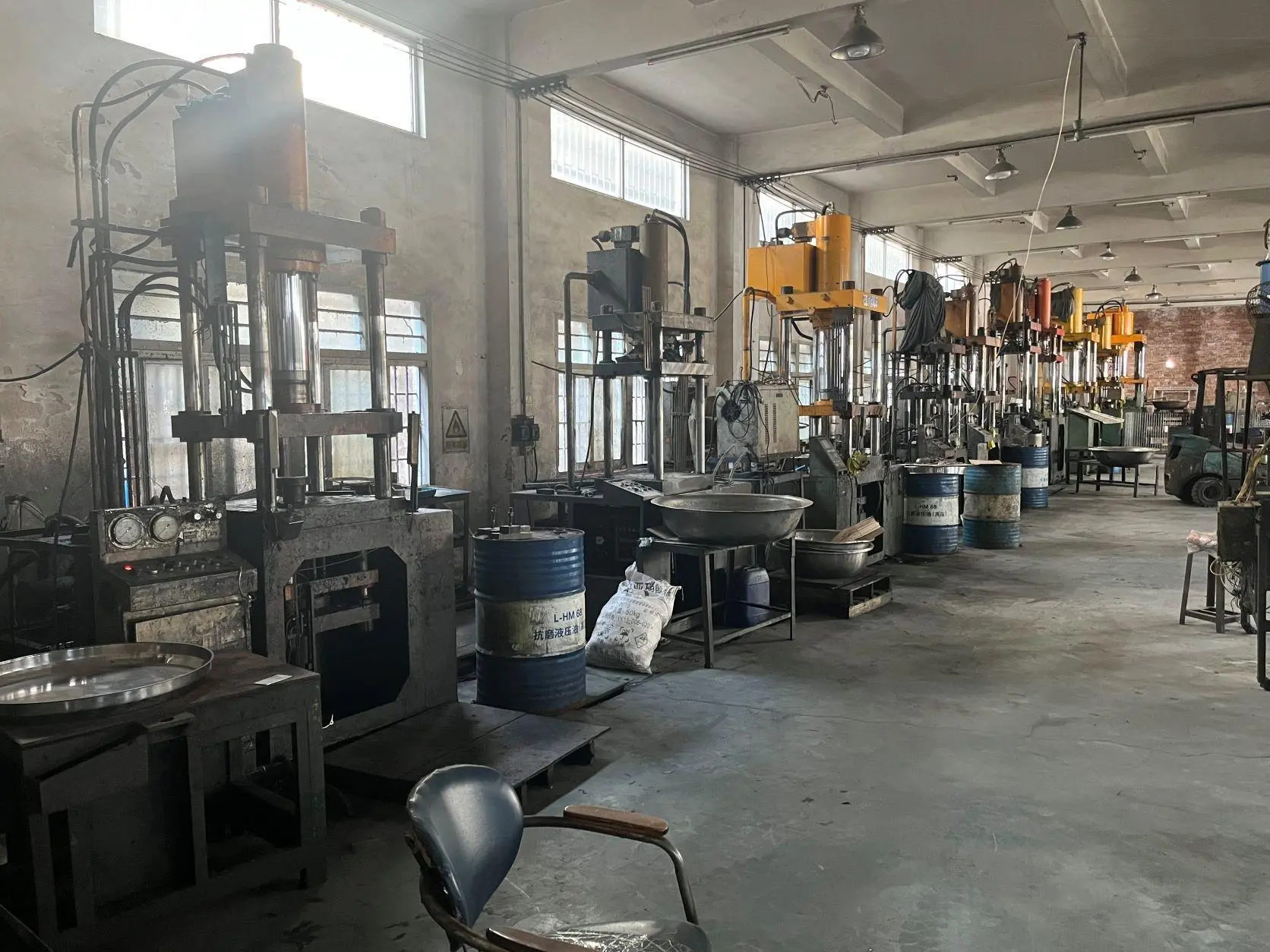
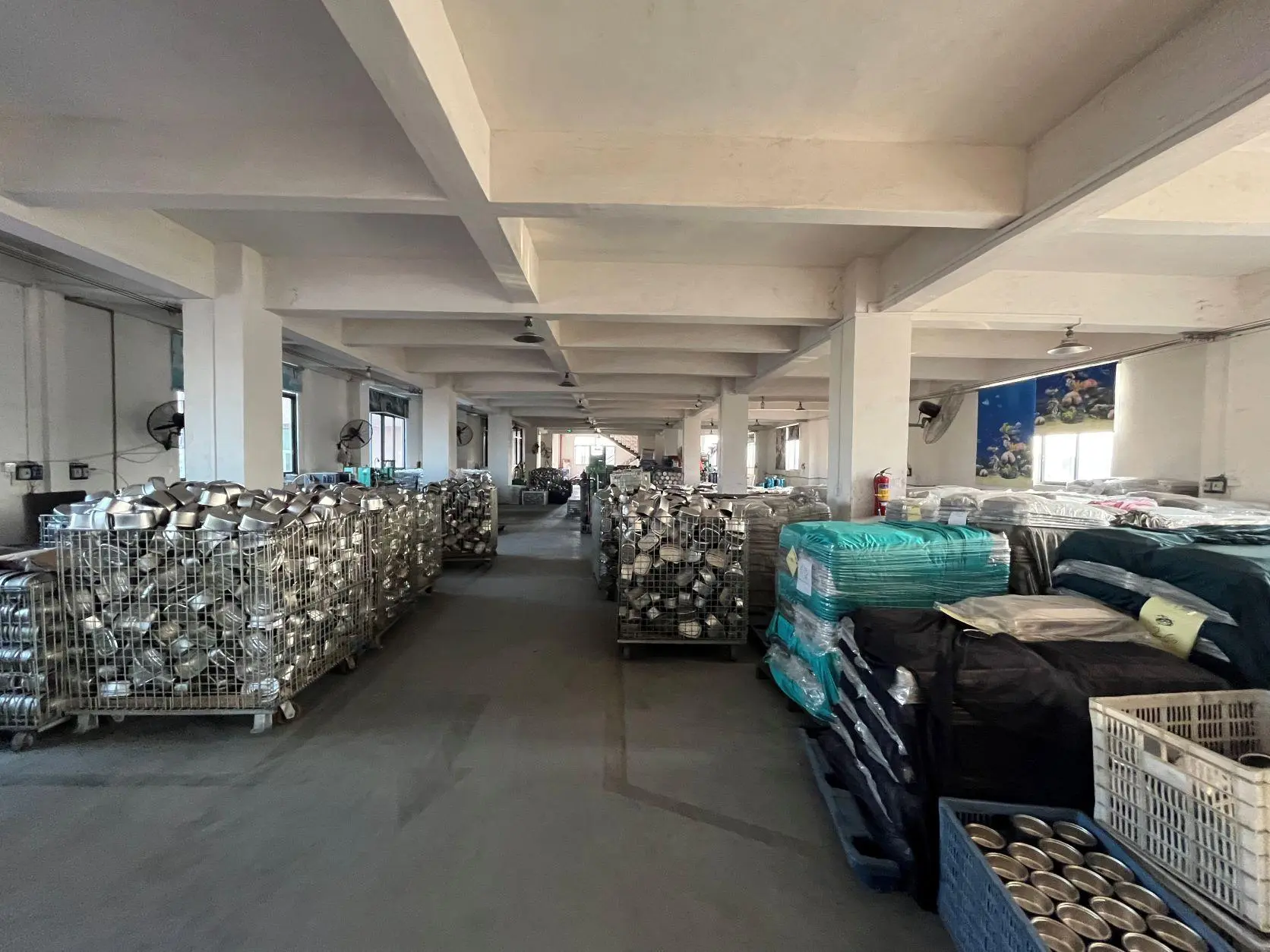
We have been committed to implementing a global operational strategy and building a comprehensive sales and service system. Our company has stable cooperative relationships with many well-known enterprises at home and abroad, and our product sales are spread to more than 100 countries and regions such as the United States, Canada, the United Kingdom, and Australia, with an annual export value exceeding 40 million US dollars.
Our Philosophy: "Pursuing innovation and quality first". We adhere to the core values of "people-oriented, quality first, customer first, and service sincere", implementing the quality policy of "craftsmanship and excellence".
We offer quarterly price locking for OEM partners, insulating your brand from the volatility of Chromium and Nickel prices.
Every shipment comes with an MTR (Material Test Report) ensuring the Manganese and Nickel levels comply with your local standards (ASTM/EN).
By nesting 201 and 304 products in consolidated containers, we maximize sea-freight efficiency for high-volume distributors.
 Jinrenkang Hardware