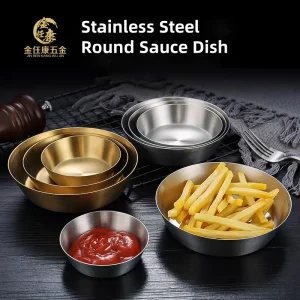
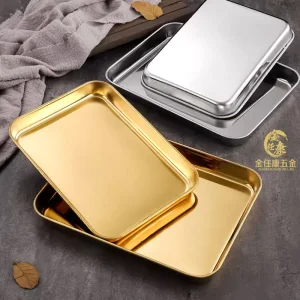
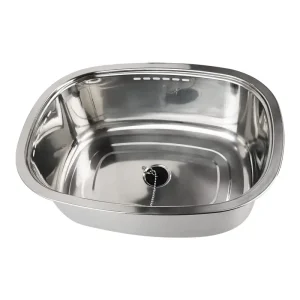
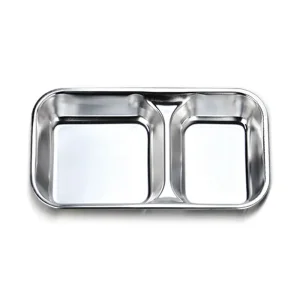
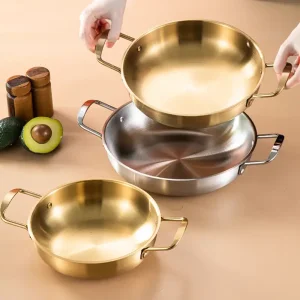
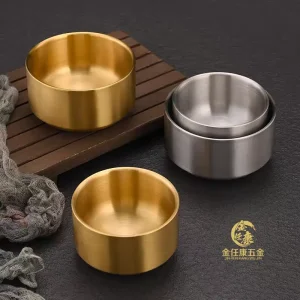
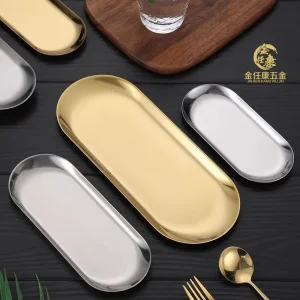
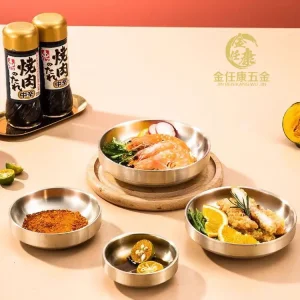
In the high-stakes environment of commercial food production and industrial chemical processing, the choice of mixing equipment is not merely a matter of convenience—it is a critical determinant of safety, efficiency, and scalability. As a leading OEM Commercial Stainless Steel Mixing Bowls manufacturer, Chaozhou Jinrenkang Hardware Products Co., Ltd. recognizes the paradigm shift towards "Semantic Search" in the industrial procurement space, where buyers are no longer just searching for "bowls," but for "NSF-certified, high-gauge, corrosion-resistant agitation vessels."
The global market for commercial kitchenware is projected to grow significantly as industrial bakeries, pharmaceutical compounding centers, and large-scale catering operations demand higher precision. Our role as a primary exporter is to bridge the gap between raw manufacturing excellence and the localized compliance requirements of the North American, European, and Asia-Pacific markets.
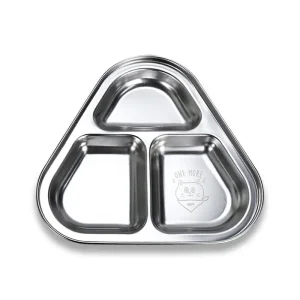
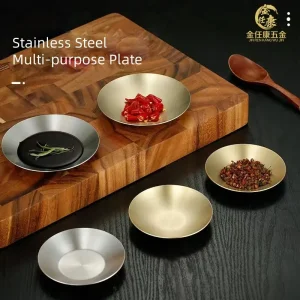
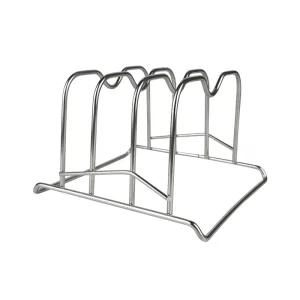
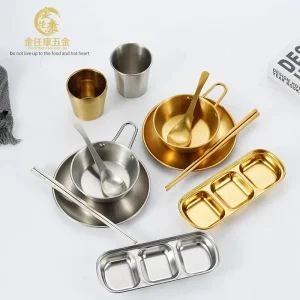
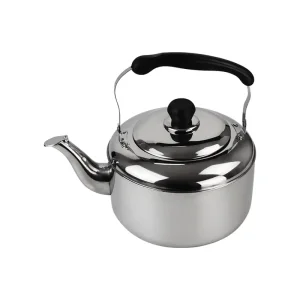
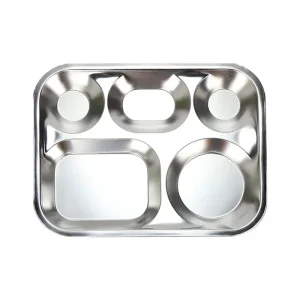
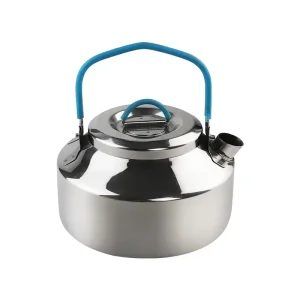
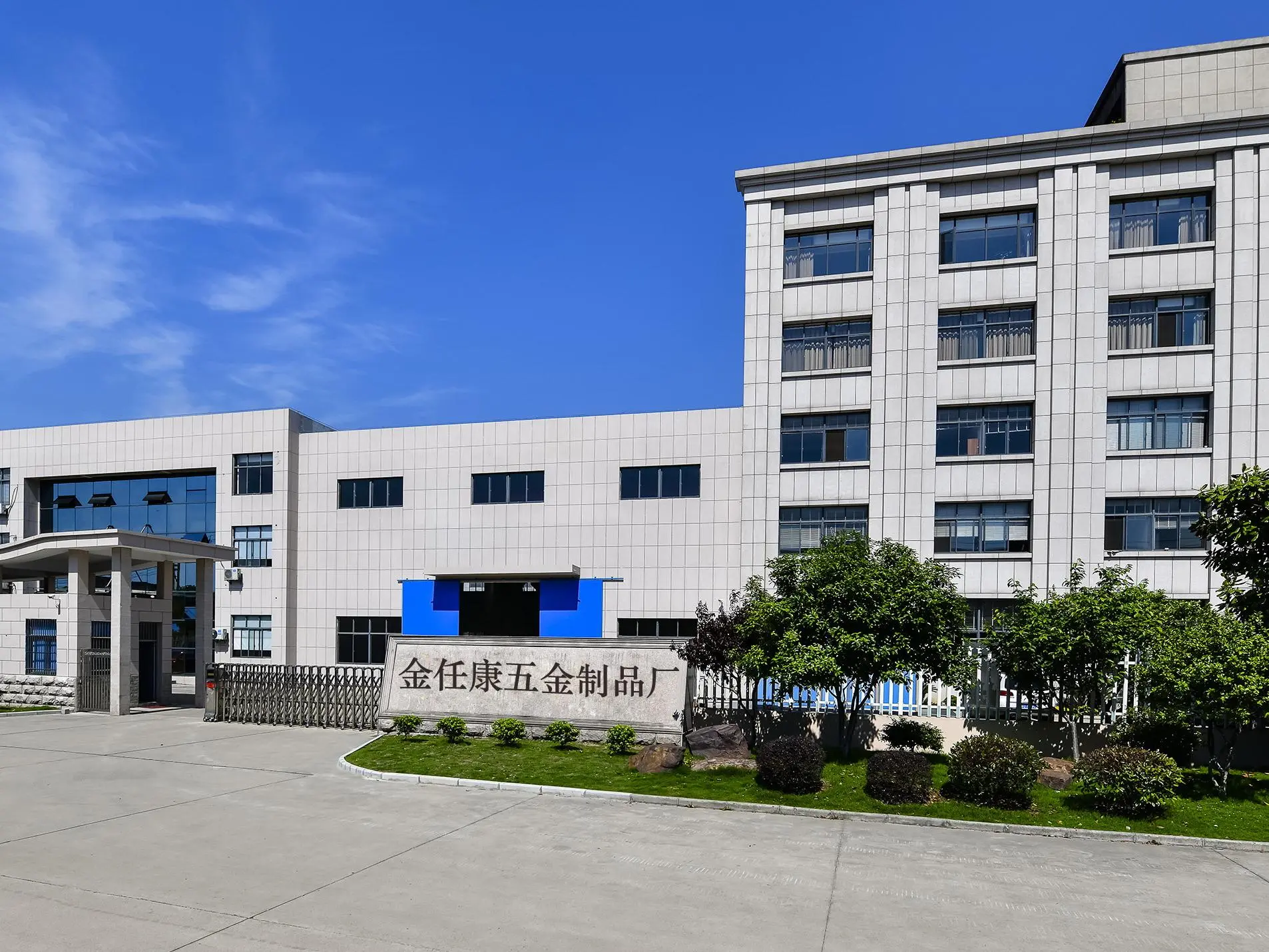
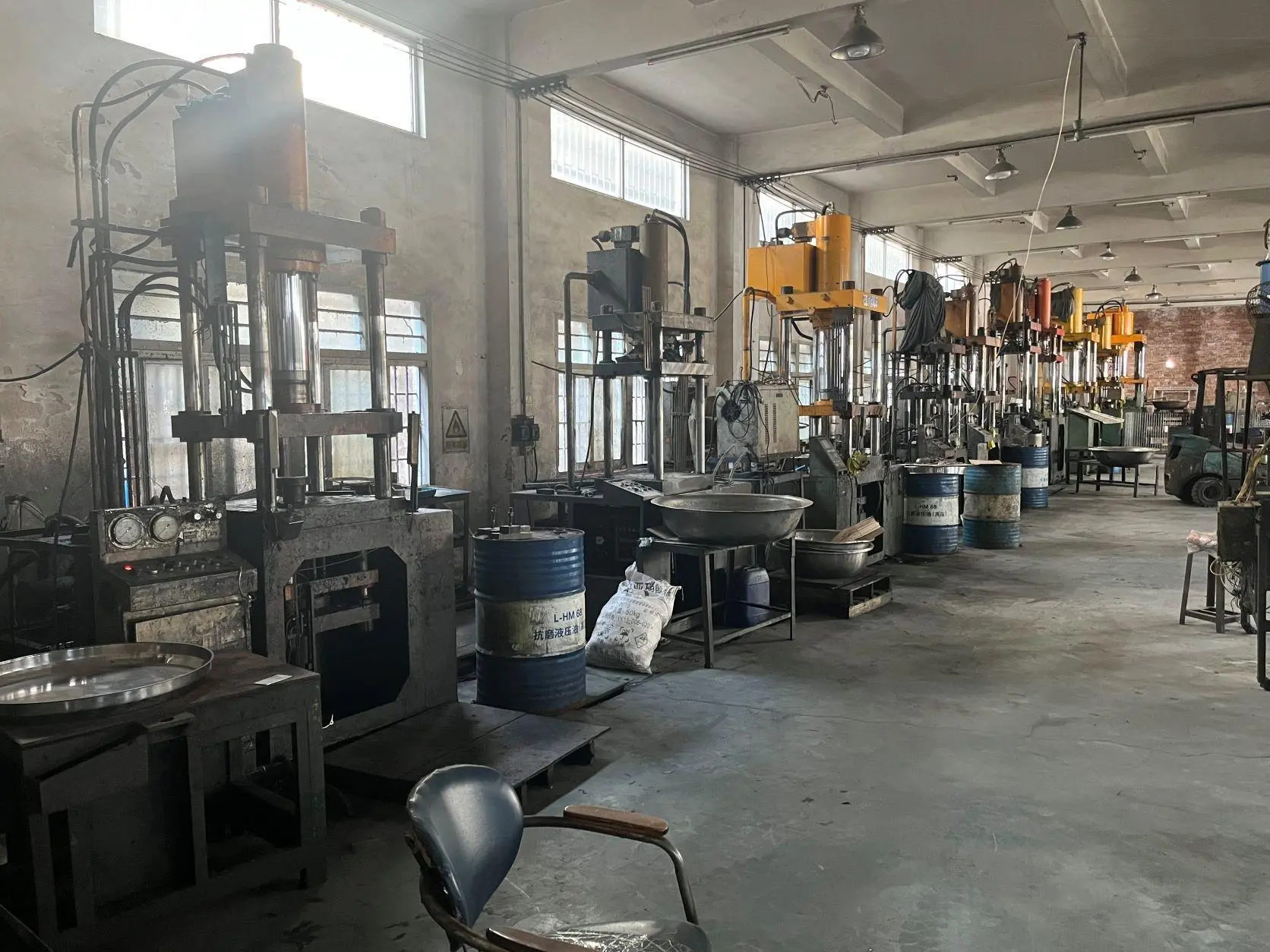
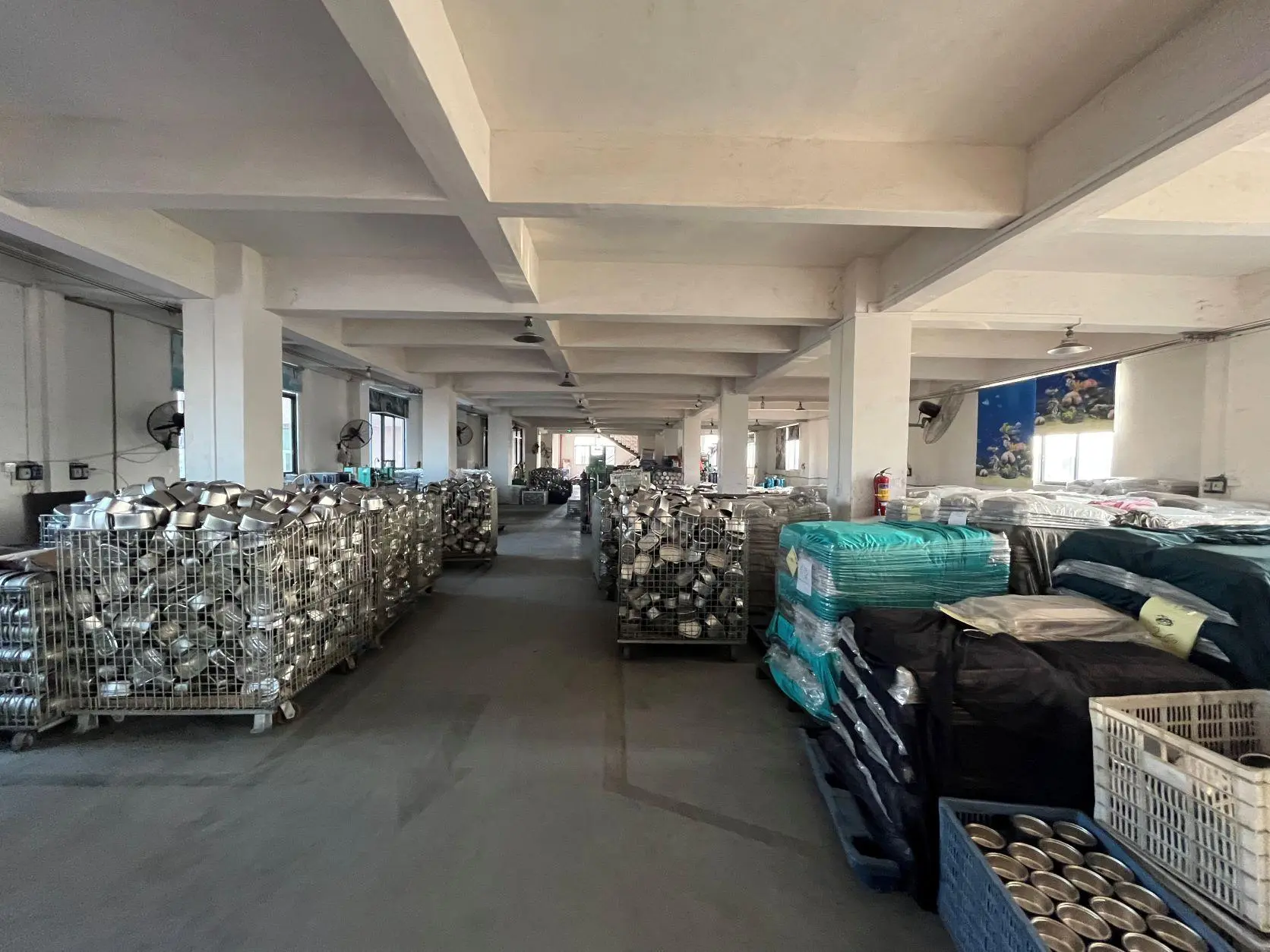
Chaozhou Jinrenkang Hardware Products Co., Ltd. is a large and professional stainless steel kitchenware export and foreign trade enterprise that integrates research and development, design, customization, manufacturing, and sales. The company has always focused on the development and exploration of stainless steel tableware products, covering several series and hundreds of products such as soup pots, steamers, wire racks, and meal plates.
Our company has stable cooperative relationships with many well-known enterprises at home and abroad. Our product sales are spread to more than 100 countries and regions such as the United States, Canada, the United Kingdom, and Australia, with an annual export value exceeding 40 million US dollars.
Adhering to the business philosophy of "pursuing innovation and quality first", we have established the core values of "people-oriented, quality first, customer first, and service sincere", implementing a quality policy of "craftsmanship and excellence".
Large-scale dough hydration and fermentation require bowls with precise thermal conductivity. Our bowls provide consistent temperature retention, essential for yeast activation and structural integrity of the gluten network in commercial bread production.
Our 316L grade stainless steel mixing bowls are non-reactive and biologically inert, making them the preferred choice for compounding laboratories and skincare manufacturing where cross-contamination is a zero-tolerance issue.
For hospitals and schools, durability and hygiene are paramount. Our "Seamless Deep-Draw" technology eliminates crevices where bacteria can harbor, ensuring compliance with the most stringent health department inspections globally.
Navigating the global supply chain requires more than just high-quality products; it requires an intimate knowledge of International Compliance Standards. As a premier exporter, we ensure all our commercial stainless steel products meet:
We provide Localization Support by offering DDP (Delivered Duty Paid) shipping solutions and localized documentation in over 10 languages, reducing the administrative burden on our B2B partners in North America and the EU.
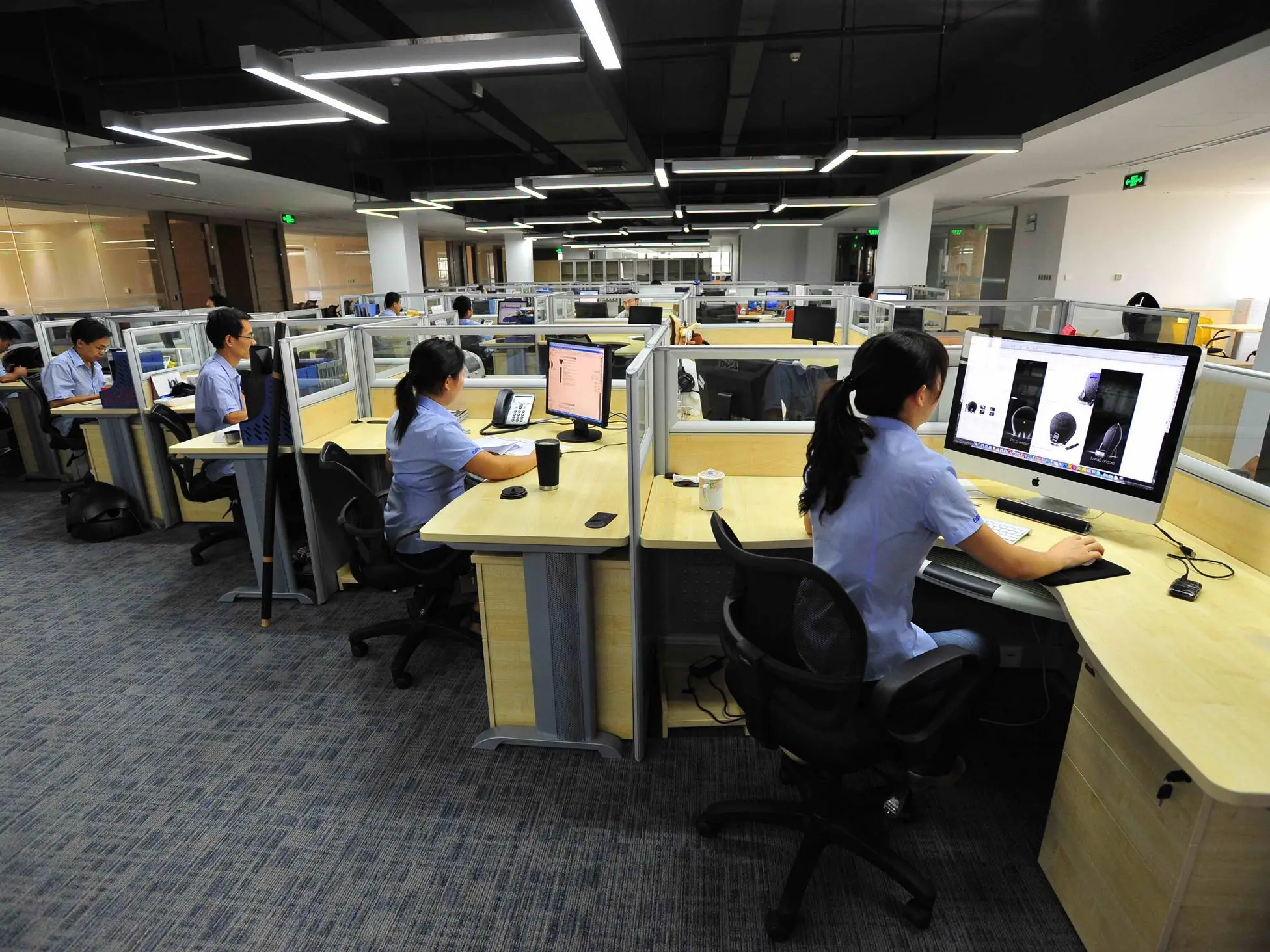
We are currently integrating AI-driven defect detection in our cold-rolling process. This ensures every mixing bowl has a perfect wall thickness, optimizing the weight-to-strength ratio for industrial use.
Transitioning to 100% recyclable high-grade scrap-fed steel production to meet the growing demand for green procurement in the European corporate sector.
Optional RFID tagging for large-scale institutional clients to manage kitchen assets and track sterilization cycles automatically through IoT platforms.
 Jinrenkang Hardware