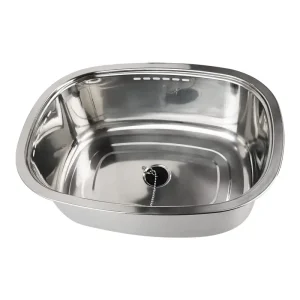
In modern industrial, institutional, and residential architecture, the utility sink is no longer considered a basic utility item. Modern design concepts treat the undermount utility sink as a crucial point for sanitation, durability, and operational efficiency. The integration of undermount utility sink stainless steel models into commercial labs, professional kitchens, medical clinics, and upscale residential utility hubs highlights a shift toward high-performance sanitary hardware. Selecting a manufacturer goes beyond simple price comparison; it requires analyzing metallurgical properties, advanced production technology, and supply chain reliability.
This white paper analyzes the technical specifications, production ecosystems, and strategic advantages of partnering with top Chinese manufacturers like Chaozhou Jinrenkang Hardware Products Co., Ltd. to optimize procurement outcomes for global projects.
Understanding the difference between SUS304, SUS316, and 201 series stainless steel is crucial for maintaining durability in chemical-heavy and high-moisture commercial environments.
Using automatic CNC fiber lasers, heavy-duty hydraulic press machines, and automated robotic weld-polishing systems ensures consistency within margins of less than 0.1 mm.
Meeting standard parameters like cUPC, NSF/ANSI 2, and CE ensures smooth importing and installation across strict regulatory regions globally.
China's dominance in the global hardware market stems from integrated industrial clusters, advanced metallurgy, and specialized manufacturing skills. Areas like Chaozhou in Guangdong Province have evolved from regional hardware centers into integrated centers for design, production, and international trade.
The sanitaryware market is experiencing rapid shifts driven by environmental regulations and commercial demands. Key industry developments include:
Modern commercial specifications increasingly demand Physical Vapor Deposition (PVD) finishes. This process applies a thin, hard ceramic layer to the stainless steel surface, providing enhanced wear resistance, soundproofing properties, and color options (such as matte black, gunmetal gray, and champagne brass) without compromising hygiene.
To reduce noise levels in busy commercial kitchens, high-quality sinks feature heavy rubber sound-dampening pads covering up to 85% of the outer sink surface. In addition, non-toxic anti-condensation coatings are applied to prevent moisture buildup on the exterior, protecting interior cabinetry from rot and mold.
Furthermore, the demand for sustainable supply chains is influencing procurement. Companies are prioritizing suppliers who use recycled stainless steel, minimize energy consumption during sheet-forming, and utilize zero-effluent polishing plants.
Undermount stainless steel sinks are adapted for various specialized environments, each with its own set of requirements:
Requires high-resistance SUS304 steel to handle acidic food elements, extreme temperatures, and constant sanitizing chemicals, ensuring hygiene compliance.
Requires zero-radius or seamless undermount designs that eliminate dirt traps, combined with SUS316 options for superior chemical resistance.
Focuses on aesthetic appeals like clean satin finishes and soundproofing, enhancing the value of the property's utility and laundry spaces.
Procuring large quantities of stainless steel sinks involves checking more than just unit prices. Procurement managers use multi-faceted compliance matrices to assess suppliers:
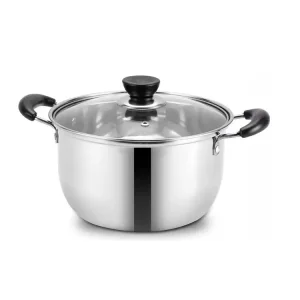
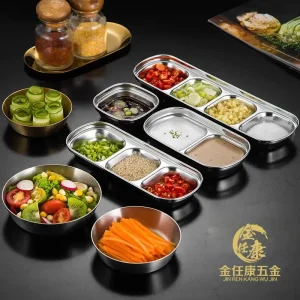
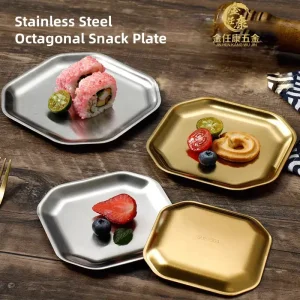
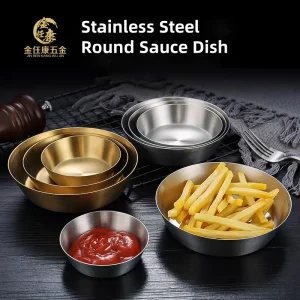
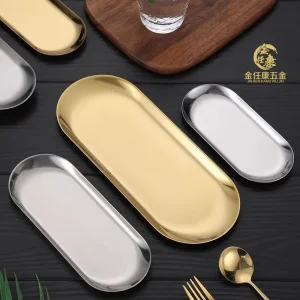
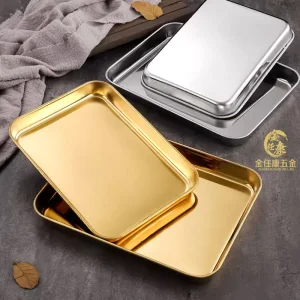
Chaozhou Jinrenkang Hardware Products Co., Ltd. is a large and professional stainless steel kitchenware export and foreign trade enterprise that integrates research and development, design, customization, manufacturing, and sales. The company has always focused on the development and exploration of stainless steel tableware products, covering several series and hundreds of products such as soup pots, steamers, wire racks, and meal plates. The flexible integration of various products provides overseas customers with more diverse choices.
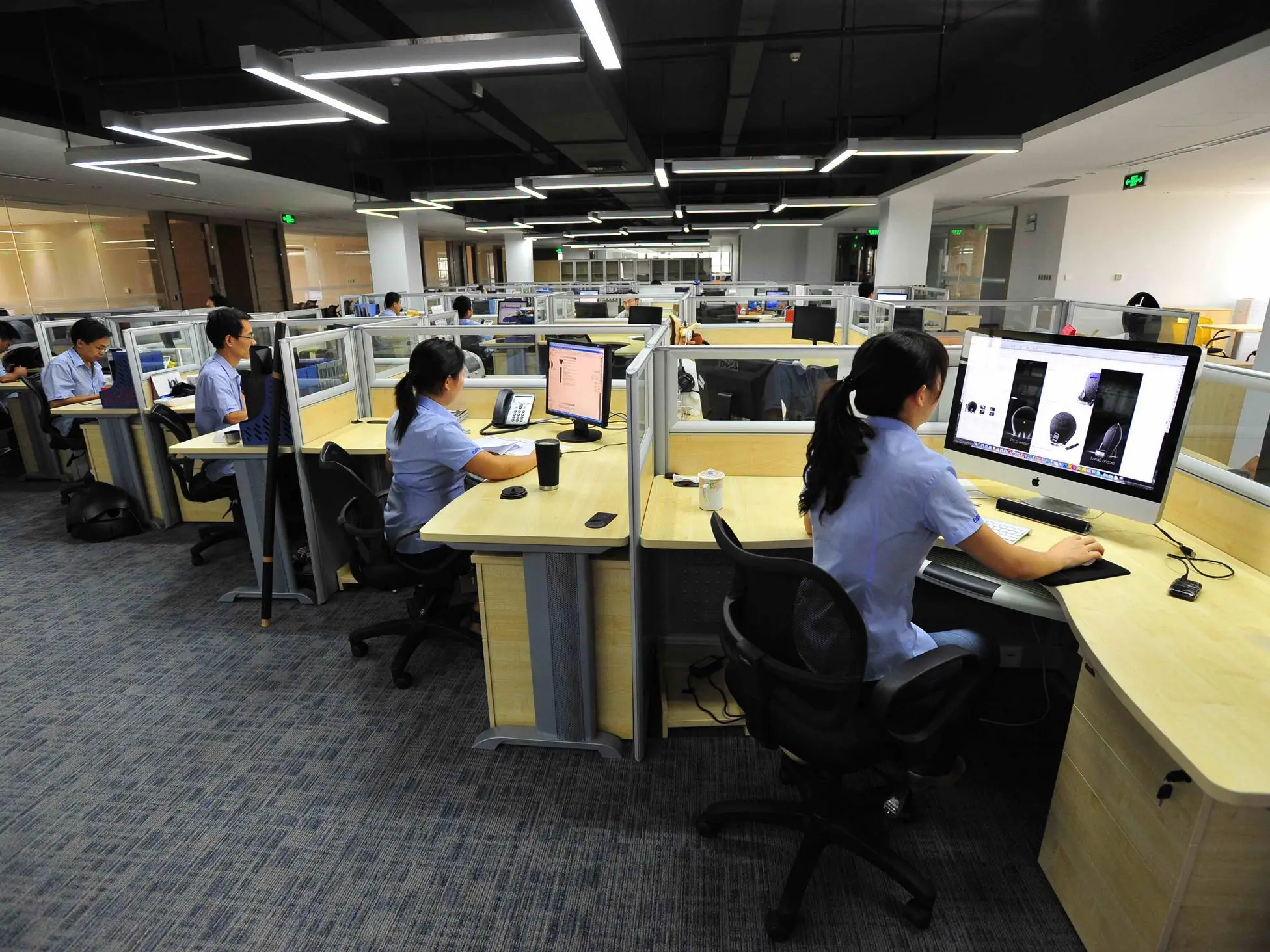
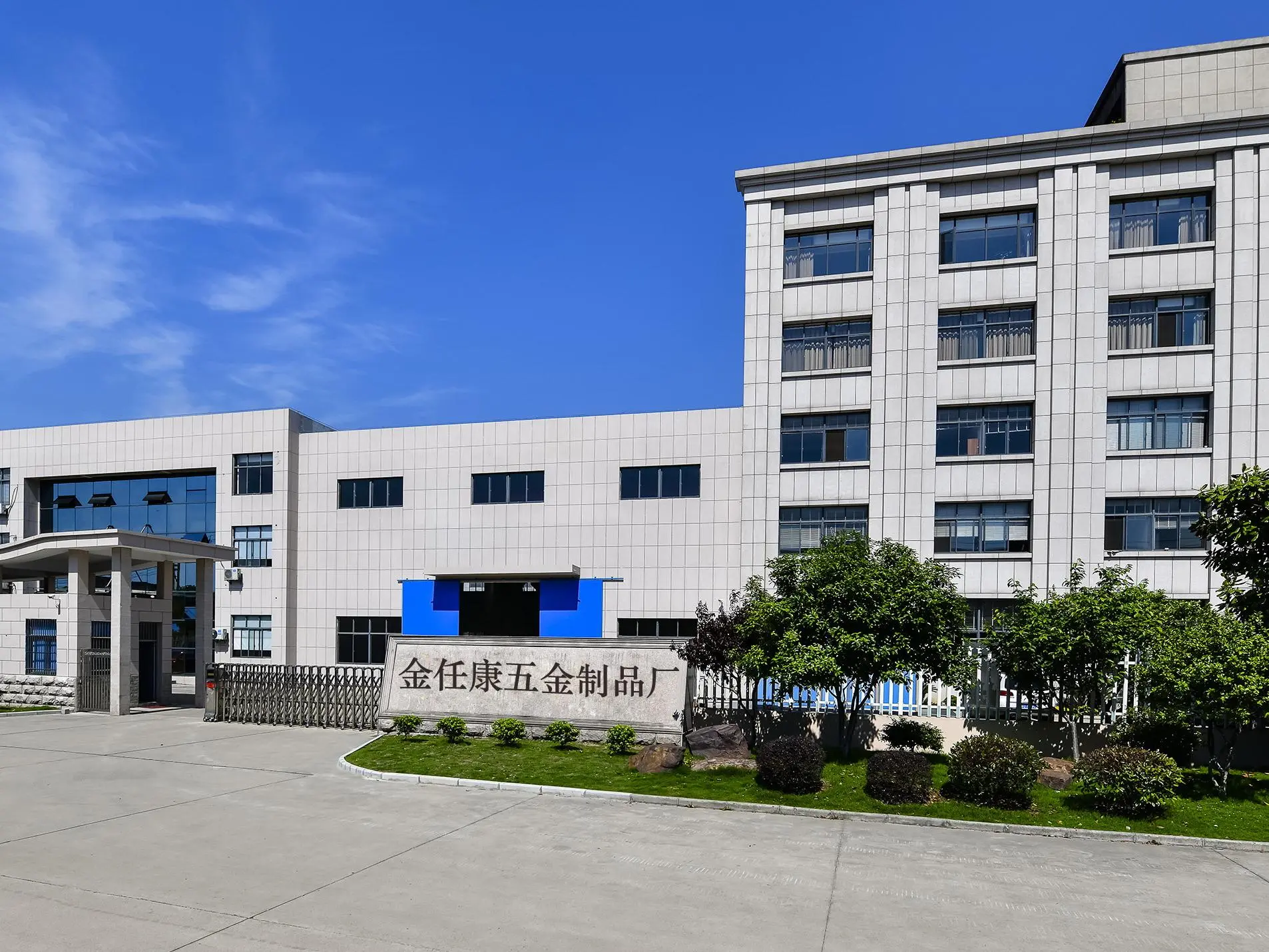
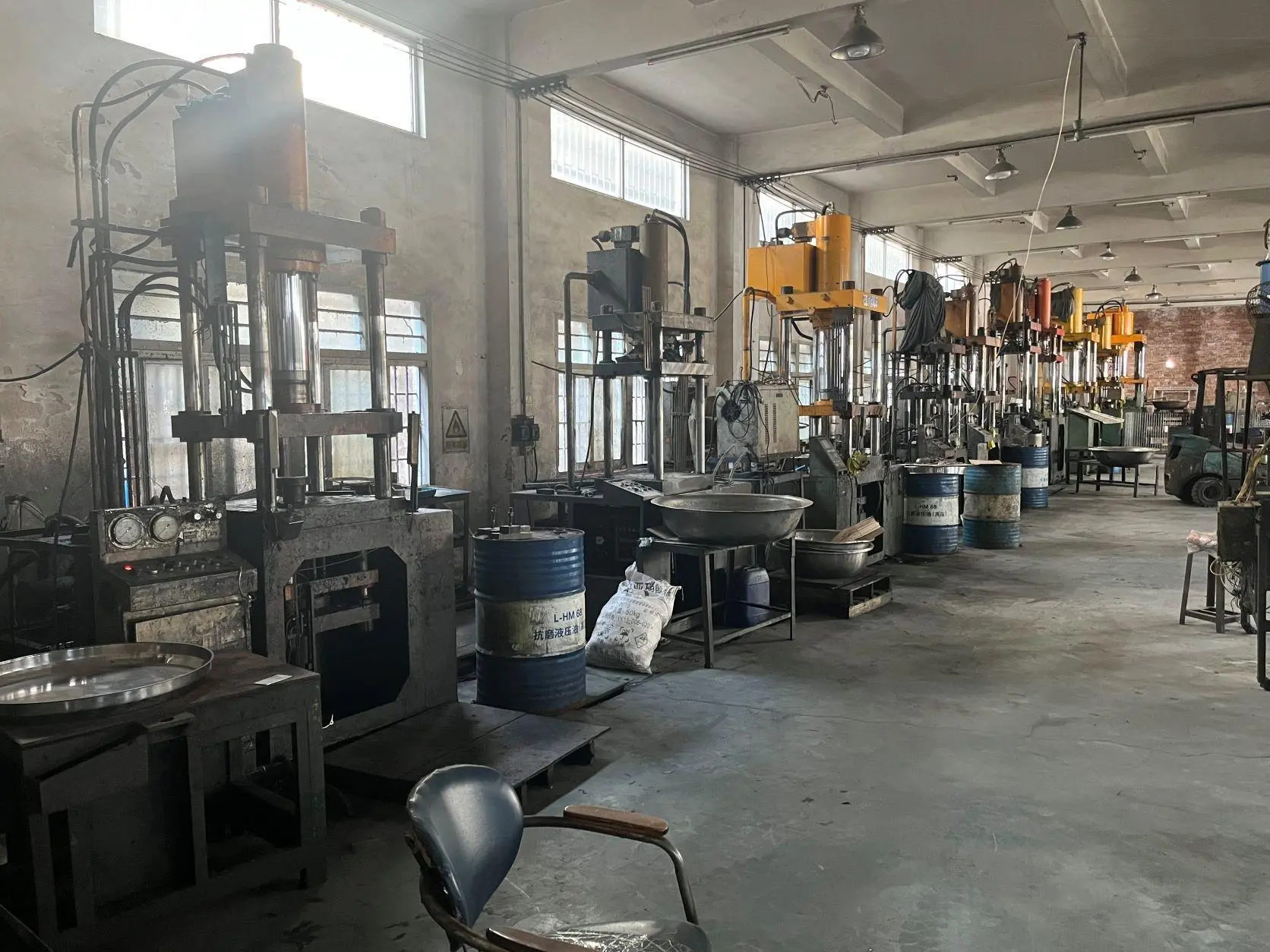
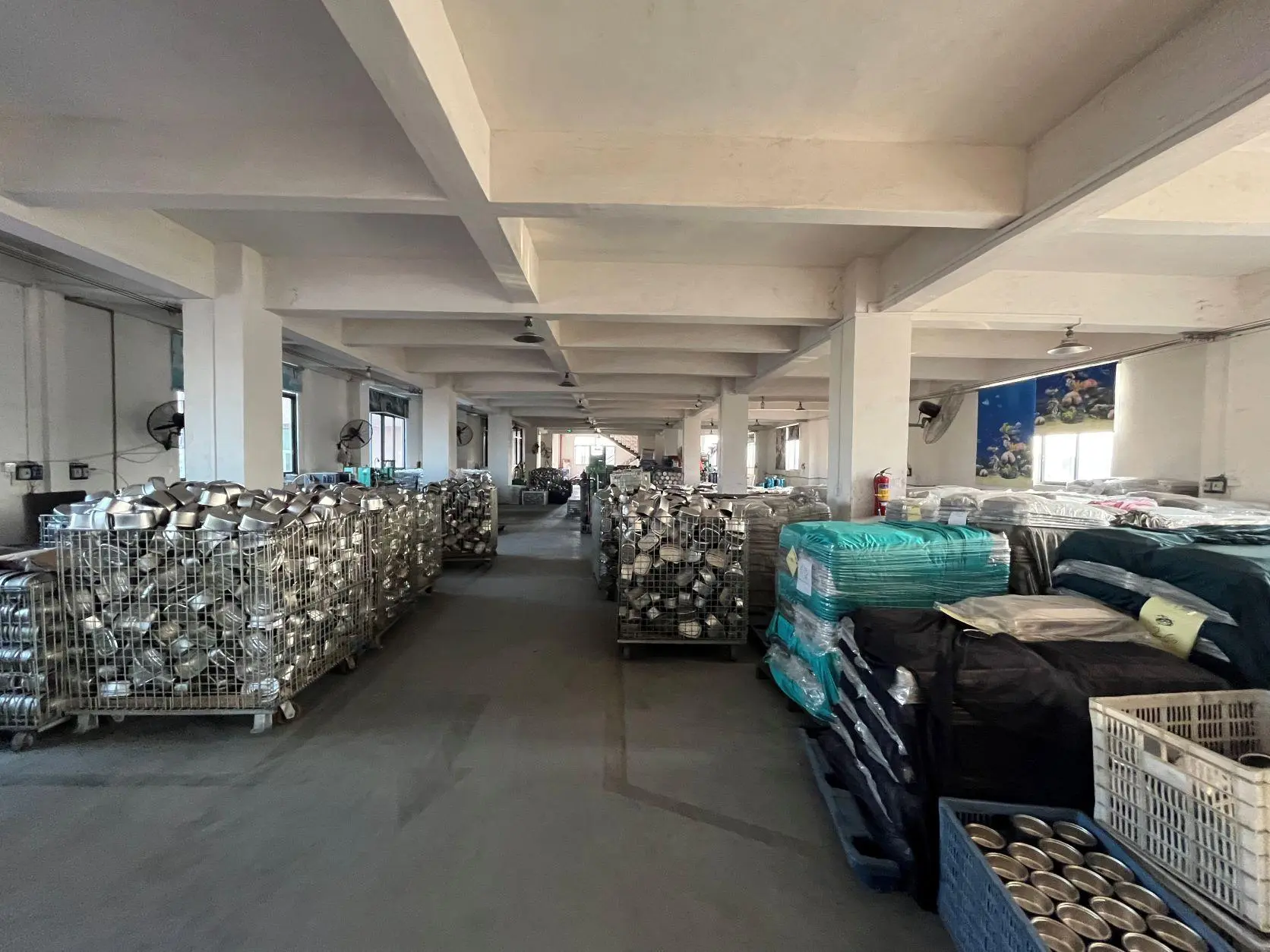
Chaozhou Jinrenkang Hardware Products Co., Ltd. has been committed to implementing a global operational strategy and building a comprehensive sales and service system. Our company has stable cooperative relationships with many well-known enterprises at home and abroad, and our product sales are spread to more than 100 countries and regions such as the United States, Canada, the United Kingdom, and Australia, with an annual export value exceeding 40 million US dollars. Through a sales network covering major global markets, we provide affordable, durable, and safe stainless steel kitchenware to global consumers.
So far, our company has adhered to the business philosophy of "pursuing innovation and quality first", established the core values of "people-oriented, quality first, customer first, and service sincere", implemented the quality policy of "craftsmanship and excellence", and has a vision of "leading a healthy and quality life and improving the national happiness index"; Breaking through the cocoon in the field of hardware manufacturing, ushering in a new era of advocating health, pursuing excellence, and enjoying quality.
 Jinrenkang Hardware