The global stainless steel cookware market, valued at over USD 15 billion, is undergoing a paradigm shift. Professional kitchens and health-conscious households are moving away from chemical coatings toward high-performance stainless steel skillets. Suppliers in industrial hubs like Chaozhou are now at the forefront of this revolution, blending traditional craftsmanship with Industry 4.0 automation.
Modern manufacturing utilizes 18/10 stainless steel (Grade 304/316), offering unmatched corrosion resistance. The integration of "Information Gain" in SEO mirrors the "Technical Gain" in production—where multi-ply (3-ply or 5-ply) construction with aluminum or copper cores ensures thermal conductivity that rivals traditional cast iron while maintaining the hygienic benefits of steel.
Key trends include the rise of "smart cookware" with integrated temperature sensors, the demand for PFAS-free surfaces, and a massive surge in induction-compatible designs. Factories are now investing in laser-cladding technology to create textured surfaces that provide natural non-stick properties without chemical additives.
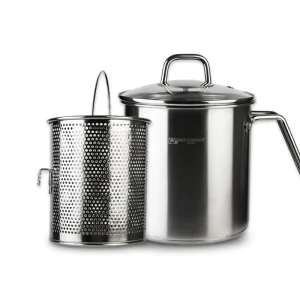
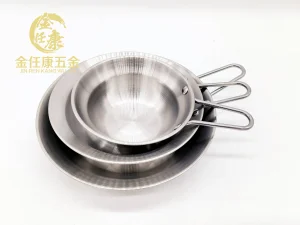
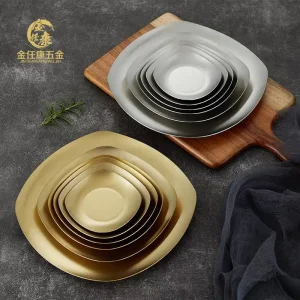
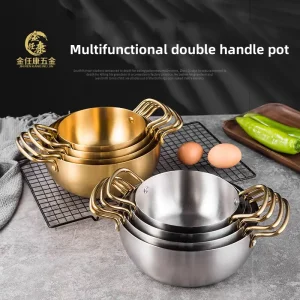
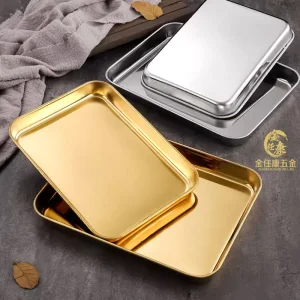
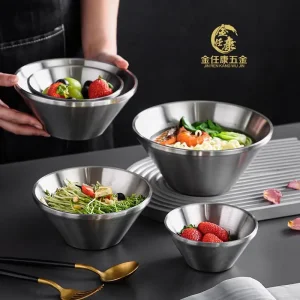
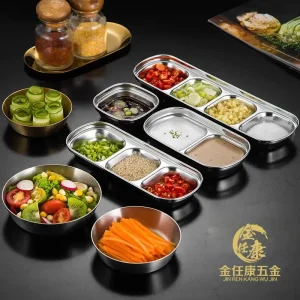
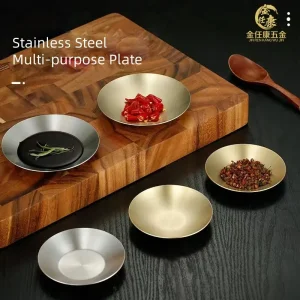
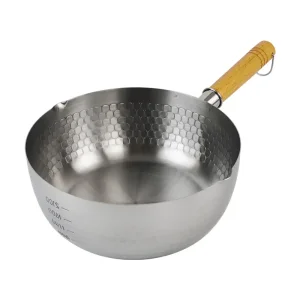
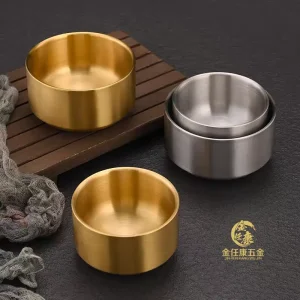
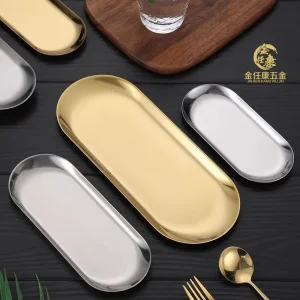
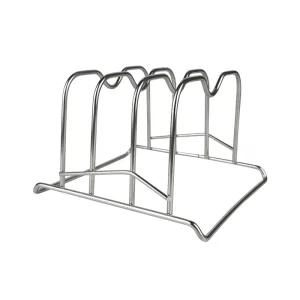
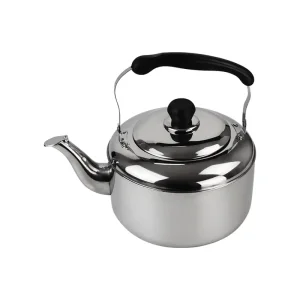
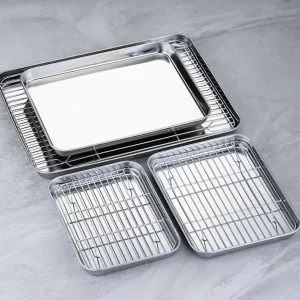
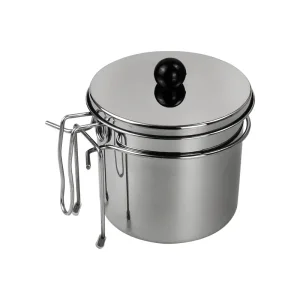
Chaozhou Jinrenkang Hardware Products Co., Ltd. is a large and professional stainless steel kitchenware export and foreign trade enterprise that integrates research and development, design, customization, manufacturing, and sales. The company has always focused on the development and exploration of stainless steel tableware products, covering several series and hundreds of products such as soup pots, steamers, wire racks, and meal plates. The flexible integration of various products provides overseas customers with more diverse choices.
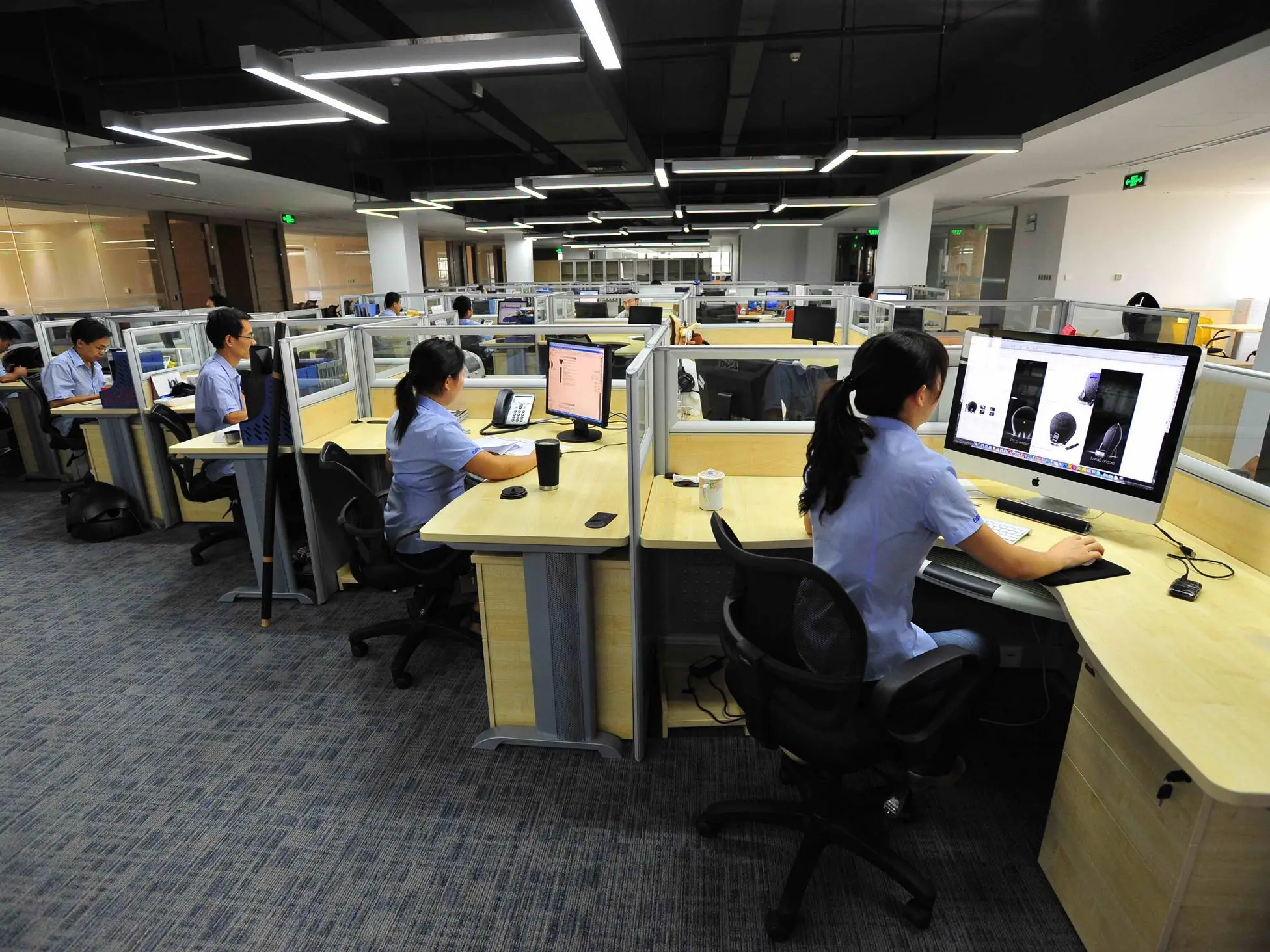
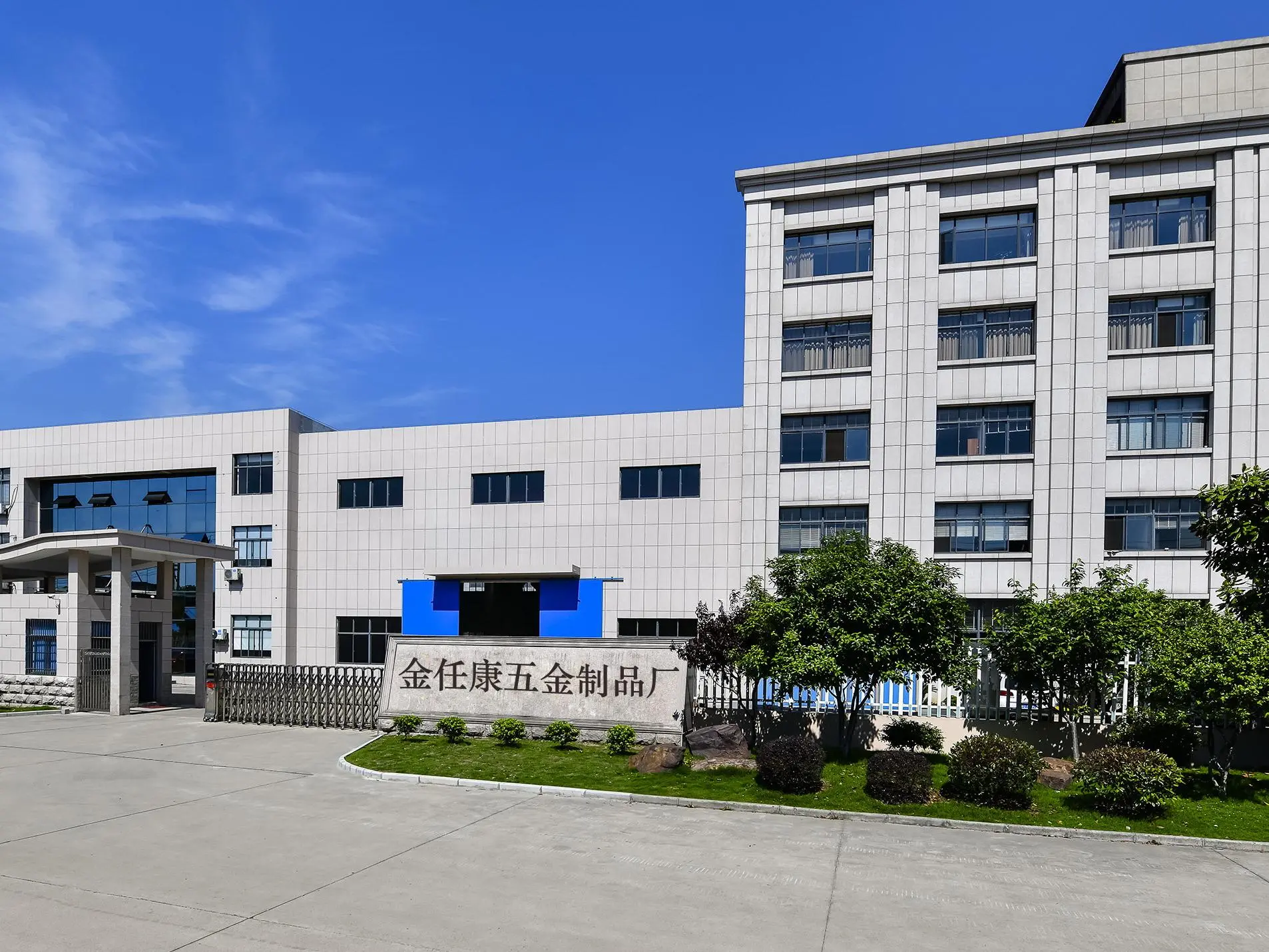
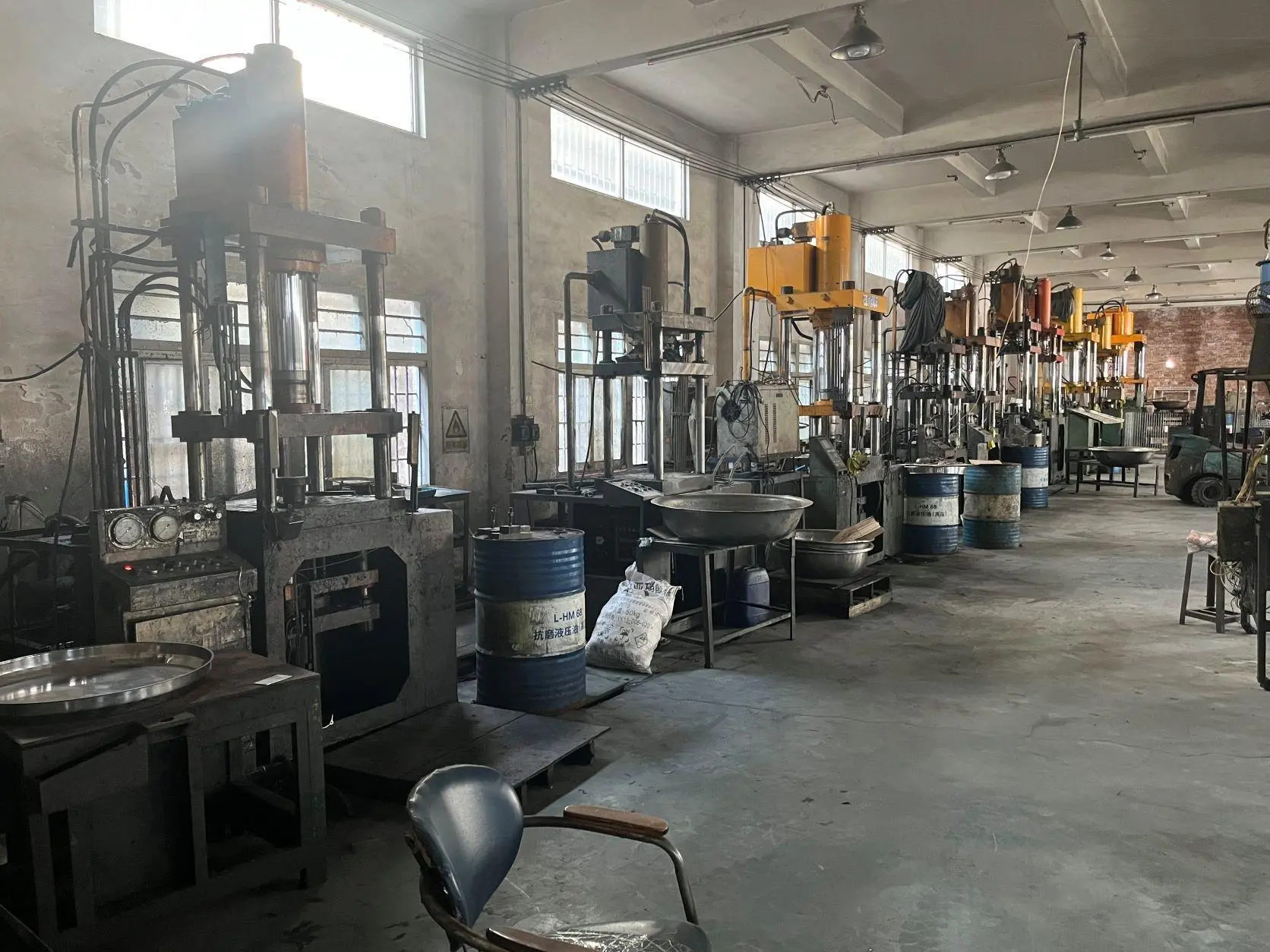
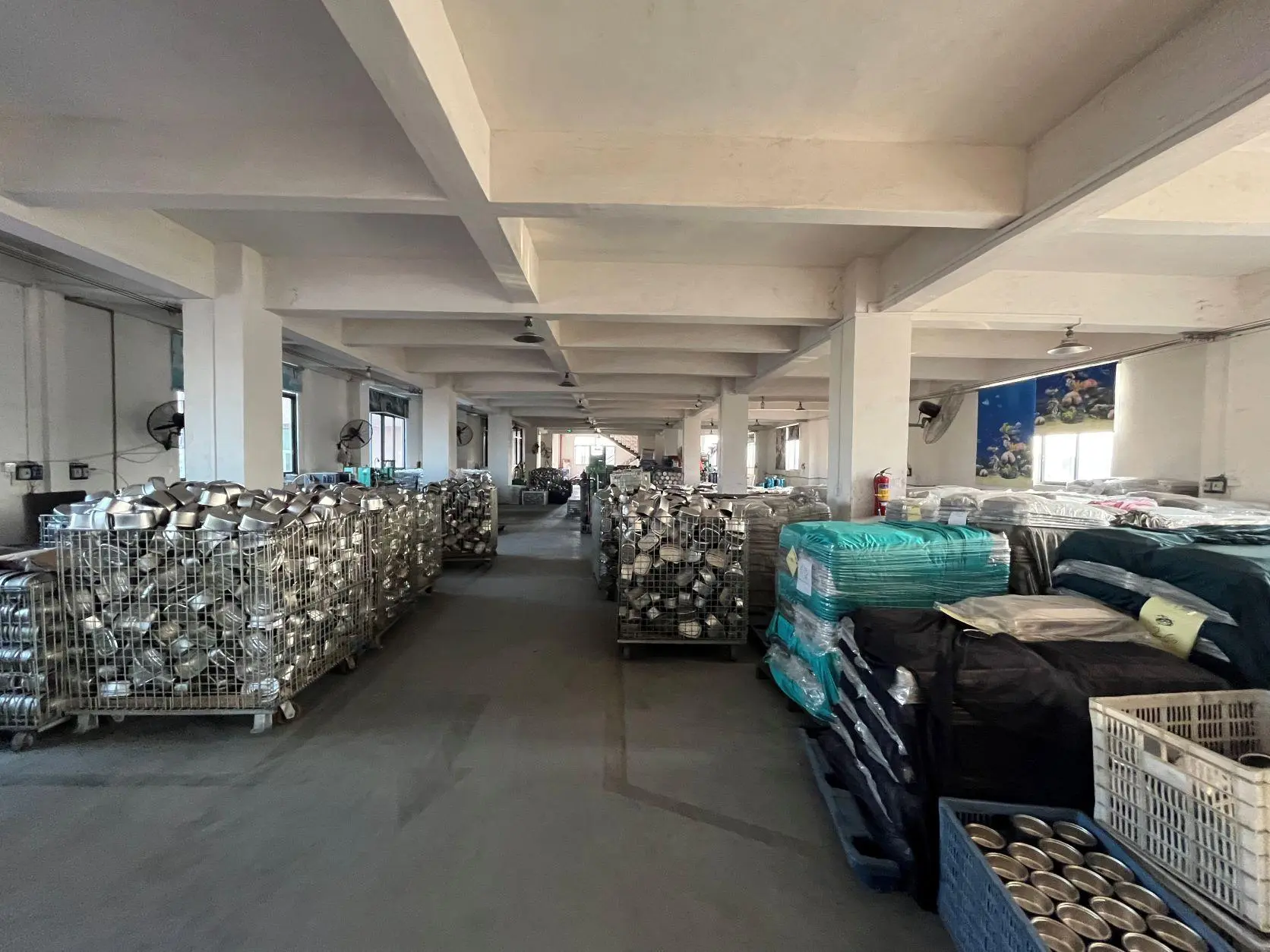
Chaozhou Jinrenkang Hardware Products Co., Ltd. has been committed to implementing a global operational strategy and building a comprehensive sales and service system. Our company has stable cooperative relationships with many well-known enterprises at home and abroad, and our product sales are spread to more than 100 countries and regions such as the United States, Canada, the United Kingdom, and Australia, with an annual export value exceeding 40 million US dollars.
So far, our company has adhered to the business philosophy of "pursuing innovation and quality first", established the core values of "people-oriented, quality first, customer first, and service sincere", implemented the quality policy of "craftsmanship and excellence", and has a vision of "leading a healthy and quality life and improving the national happiness index".
Moving beyond single-ply disks to full-body cladding. This ensures heat climbs up the side walls of the skillet, providing a consistent 360-degree cooking surface essential for high-end culinary results.
Factories are transitioning to 70% recycled stainless steel input without compromising structural integrity. Energy-efficient vacuum brazing is replacing traditional high-heat welding to reduce carbon footprints.
Future designs focus on "Cool-Touch" hollow handle technology and weight-balanced casting, reducing wrist fatigue for professional chefs who operate in high-volume environments.
Developing 430-grade magnetic steel bases optimized specifically for high-wattage induction ranges to ensure zero buzzing and maximum energy transfer efficiency.
For global procurement managers, sourcing high-quality stainless steel skillets requires a nuanced understanding of localized application scenarios. In North America, the preference leans toward heavy-gauge, broad-base skillets designed for searing and oven-finishing. Conversely, the Southeast Asian market demands lighter, multi-functional designs that can transition from stir-frying to steaming.
Jinrenkang’s Integrated Solution: We offer a "Factory-to-Shelf" macro solution. This includes custom branding (OEM), regulatory compliance testing (FDA, LFGB), and logistics optimization that minimizes shipping damage. Our "Flexible Manufacturing System" (FMS) allows for lower MOQs on specialized items, enabling retailers to test market trends without excessive inventory risk.
Furthermore, our digital supply chain provides real-time tracking and quality assurance reports, ensuring that every batch of skillets meets the stringent E-E-A-T criteria demanded by the modern digital consumer. By integrating "User Intent Mining" into our R&D, we identify emerging culinary trends—such as the rise of home baking or outdoor gourmet cooking—and pivot our production lines to meet these specific needs before they become mainstream.
 Jinrenkang Hardware