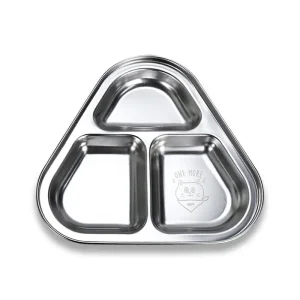
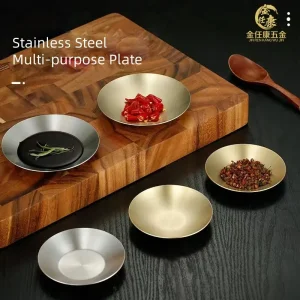
The global shift toward sustainable, reusable catering hardware has propelled the Stainless Steel Five-Compartment Tray to the forefront of institutional dining. As nations ban single-use plastics, the demand for 304/316 grade stainless steel solutions has surged in North America, Europe, and Southeast Asia.
Unlike standard plates, the Five-Compartment layout is scientifically designed for portion control. It aligns with global health guidelines (like MyPlate or the Mediterranean Diet Pyramid), facilitating the separation of proteins, grains, vegetables, fruits, and dairy or sauces without cross-contamination of flavors.
From university cafeterias to large-scale military bases and high-security correctional facilities, the durability of a high-gauge stainless steel tray is unmatched. It withstands thousands of industrial dishwasher cycles and heavy impacts that would shatter ceramic or plastic alternatives.
China's dominance in the stainless steel sector isn't just about cost; it's about a sophisticated ecosystem of material science, precision stamping, and supply chain agility.
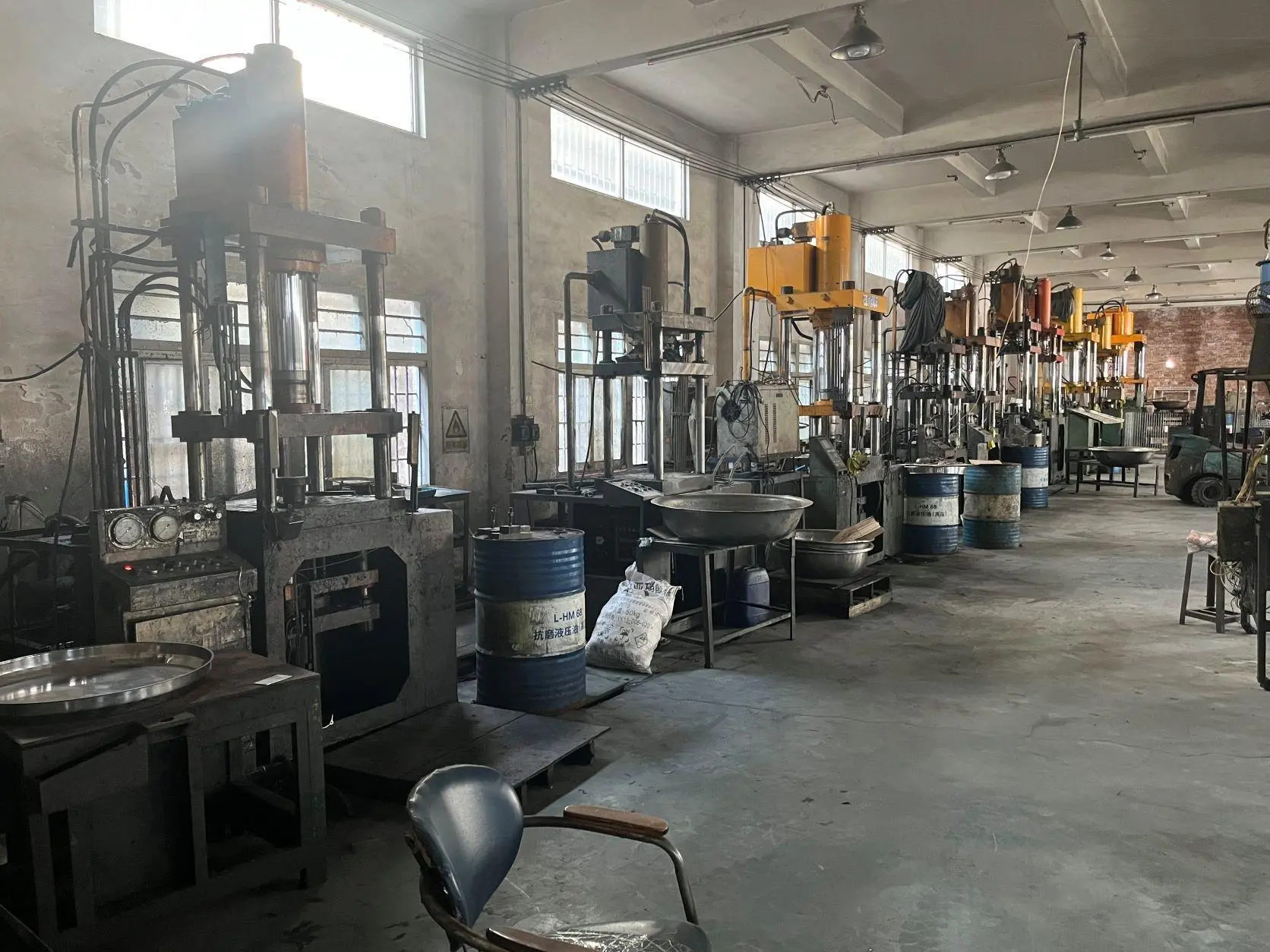
Modern Chinese factories utilize high-tonnage hydraulic presses and multi-stage progressive dies. This ensures that every five-compartment tray has uniform thickness, smooth rolled edges, and zero sharp corners—critical for safety and stackability.
Advanced electro-polishing and physical vapor deposition (PVD) allow for finishes ranging from high-mirror gloss to fingerprint-resistant satin. This enhances the tray's corrosion resistance in saline or acidic environments (like coastal hospitals).
Being located in industrial hubs like Chaozhou means we have direct access to raw cold-rolled steel coils, logistics networks, and mold designers, reducing lead times from months to weeks for custom OEM orders.
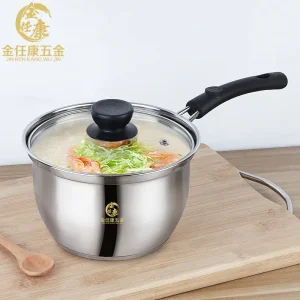
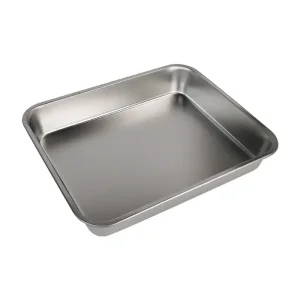
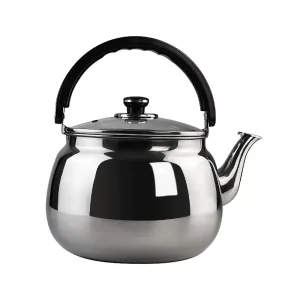
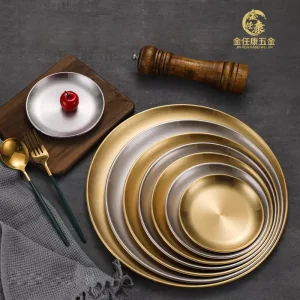
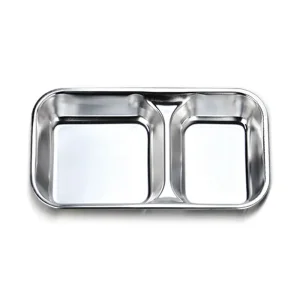
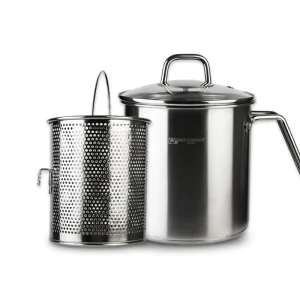
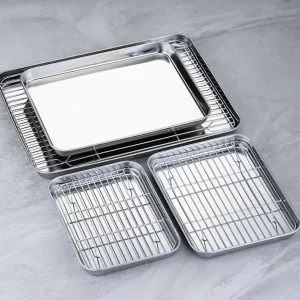
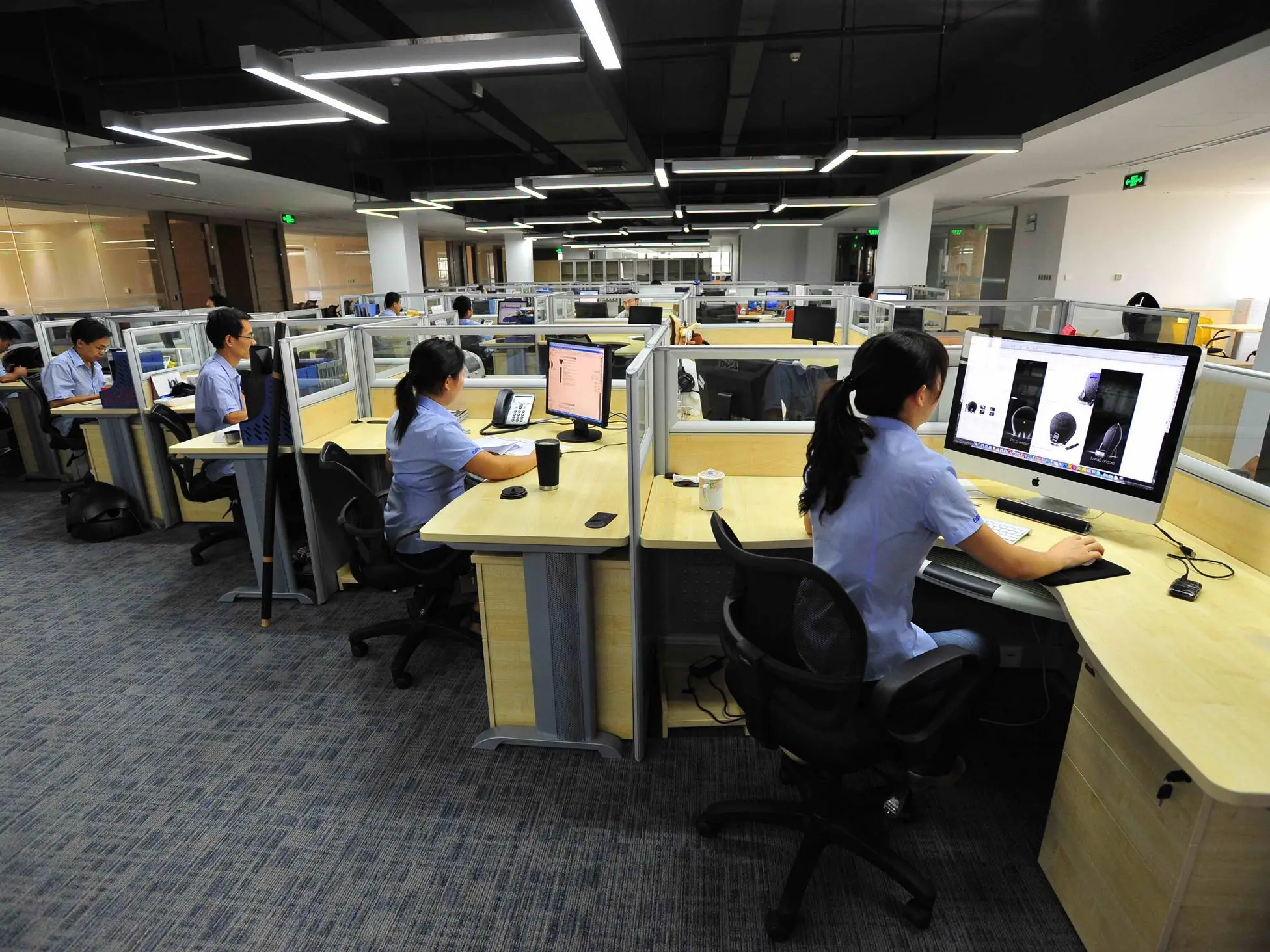
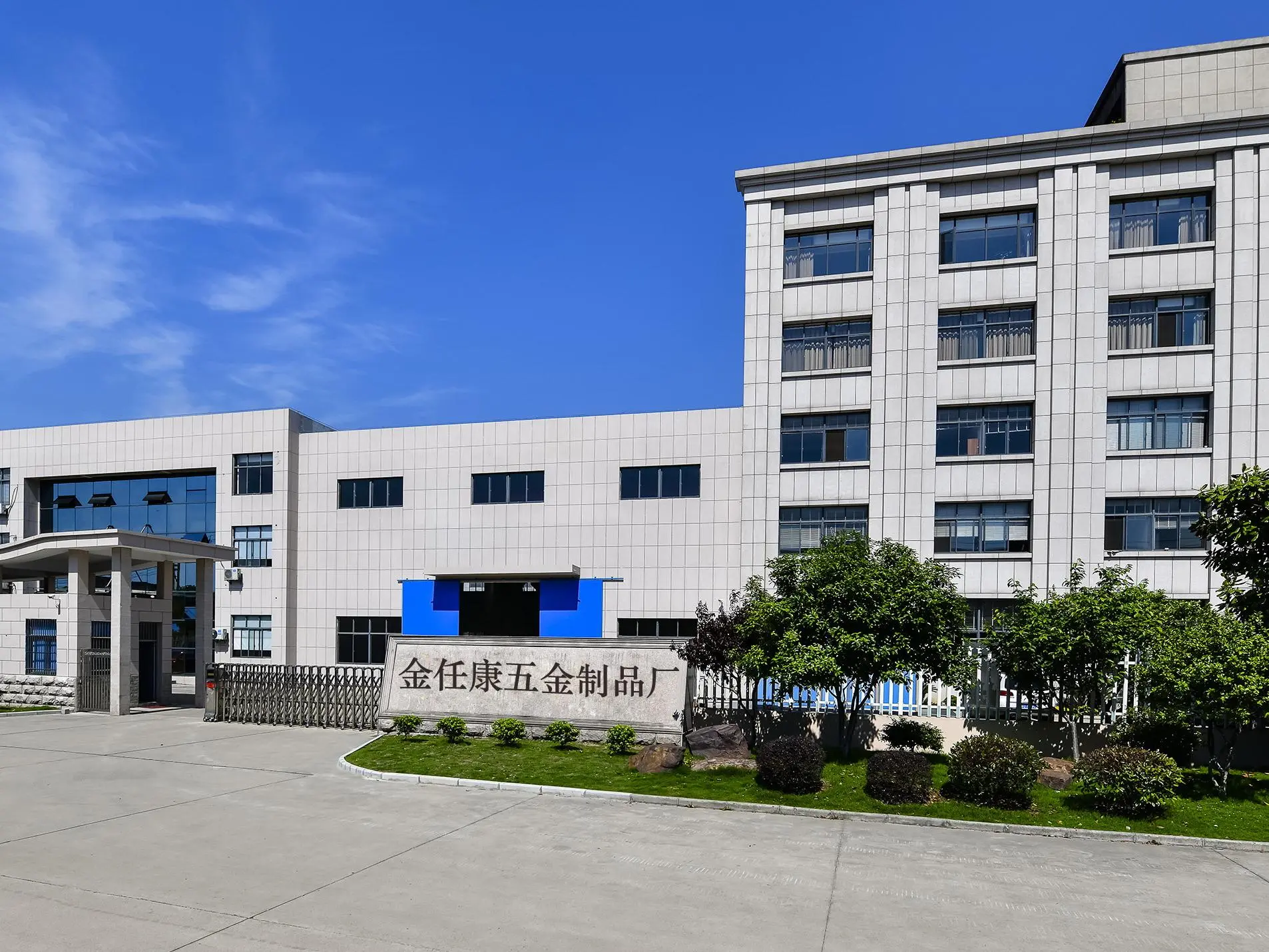
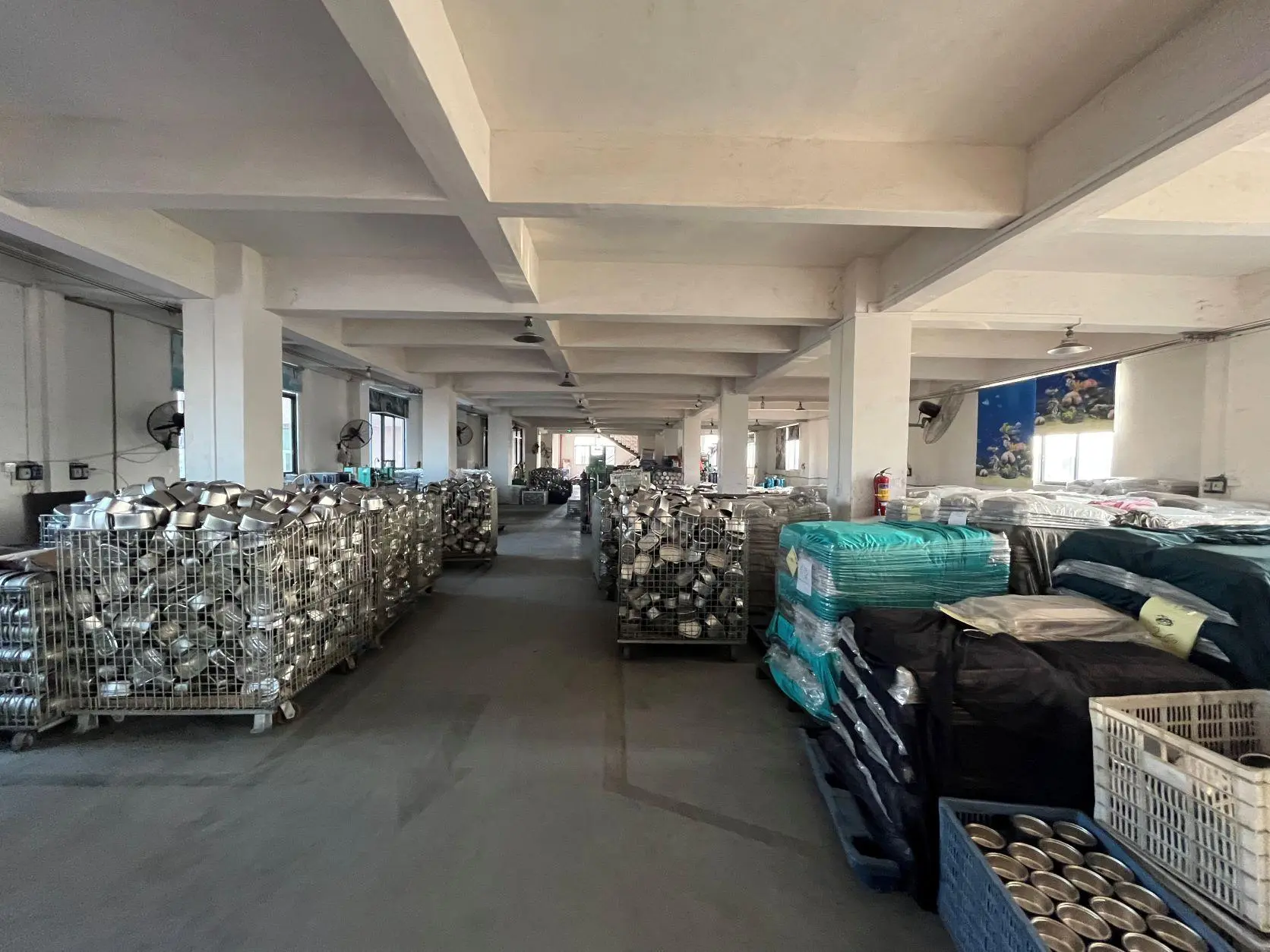
Chaozhou Jinrenkang Hardware Products Co., Ltd. is a large and professional stainless steel kitchenware export and foreign trade enterprise that integrates research and development, design, customization, manufacturing, and sales. The company has always focused on the development and exploration of stainless steel tableware products, covering several series and hundreds of products such as soup pots, steamers, wire racks, and meal plates.
Our company has stable cooperative relationships with many well-known enterprises at home and abroad, and our product sales are spread to more than 100 countries and regions such as the United States, Canada, the United Kingdom, and Australia, with an annual export value exceeding 40 million US dollars.
We adhere to the business philosophy of "pursuing innovation and quality first", implementing the quality policy of "craftsmanship and excellence". Our vision is to lead a healthy and quality life and improve the national happiness index by providing affordable, durable, and safe kitchenware.
In medical environments, hygiene is paramount. Stainless steel trays are non-porous and do not harbor bacteria like plastic. The five compartments allow for the isolation of specific therapeutic diets, ensuring patients receive the exact caloric balance required for recovery.
From K-12 schools to universities, trays must be child-safe and easy to handle. Our trays feature deburred edges to prevent cuts and a lightweight yet rigid design that prevents spilling during transport from the buffet line to the table.
On oil rigs and cruise ships, storage space is a luxury. Our trays are designed with a perfect nesting ratio, allowing hundreds of units to be stacked in minimal space while resisting the corrosive effects of sea air.
Advancements in silver-ion technology are being integrated into the stainless steel surface to provide a 24/7 antibacterial layer, further enhancing safety in public dining halls.
High-end institutional trays are now being laser-etched with QR codes or fitted with RFID chips to track usage cycles and automate inventory management in large hospital networks.
Beyond traditional silver, "Black Pearl" and "Champagne Gold" PVD finishes are becoming popular in boutique corporate cafeterias to align with high-end interior branding.
R&D is focusing on "Variable Thickness Stamping," where the tray base is thicker for stability while the compartment walls are thinner to reduce the overall weight for the user.
A: 304 Stainless Steel contains higher chromium and nickel, providing superior corrosion resistance and food safety. While 201 is more cost-effective, we recommend 304 for long-term institutional use as it will not rust under frequent washing and exposure to acidic foods.
A: Yes. We offer two primary methods: Laser Engraving for a permanent, subtle mark, and Embossing, where the logo is physically stamped into the metal during the molding process for high-volume orders.
A: Our factory utilizes a double-rolling edge process. After the initial stamping, the edges are curled and polished through a dedicated finishing machine to ensure a smooth, rounded perimeter that is safe for all users.
A: For standard models, production typically takes 15-25 days. Custom molds or specialized finishes may require an additional 10-15 days. Our proximity to major shipping ports ensures rapid dispatch once production is complete.
A: Absolutely. Our trays are engineered to withstand high temperatures (up to 800°C) and the chemical detergents used in industrial-grade conveyor dishwashers without warping or losing their luster.
 Jinrenkang Hardware