The global stainless steel kitchenware market is currently valued at approximately USD 15.2 billion and is projected to grow at a CAGR of 5.8% through 2030. As a leading custom stainless steel kitchen bowl exporter, we observe a paradigm shift from traditional plastic to sustainable, food-grade metal solutions. This transition is driven by increasing awareness of endocrine disruptors in plastics and the superior durability of steel.
Demand in North America and Europe is focused on E-E-A-T compliant safety standards (FDA/LFGB). Meanwhile, the Asia-Pacific region remains the primary manufacturing hub, with specialized clusters like Chaozhou integrating traditional craftsmanship with modern automation to serve global exporters and domestic markets alike.
Stainless steel is 100% recyclable, making it the cornerstone of the "Circular Economy" in the kitchenware industry. Professional buyers now prioritize exporters who can demonstrate low-carbon manufacturing processes and long-term product lifecycle value.
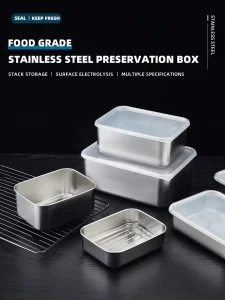
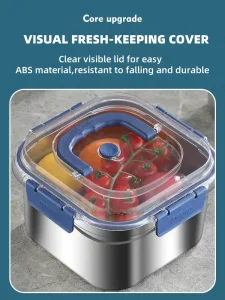
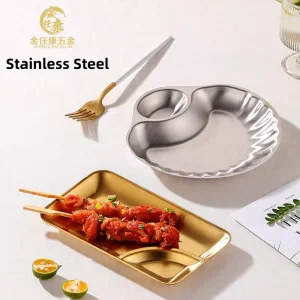
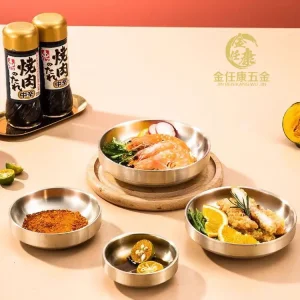
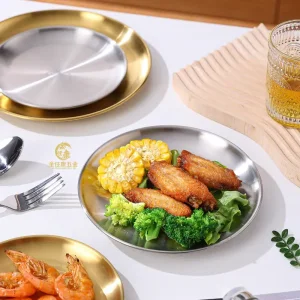
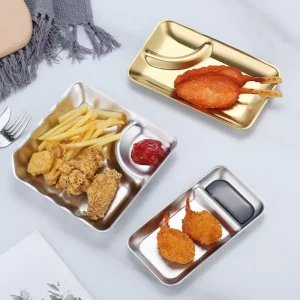
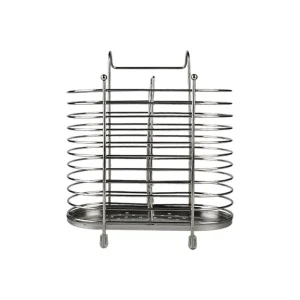
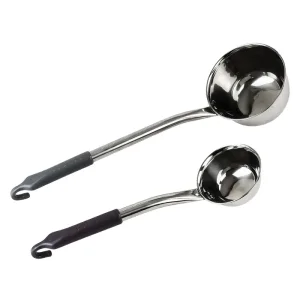
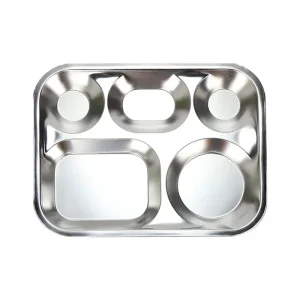
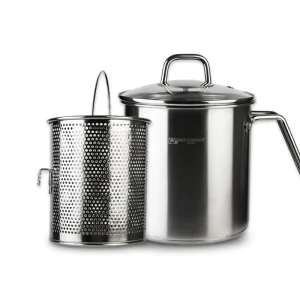
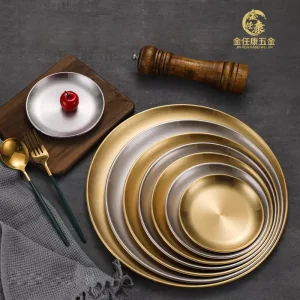
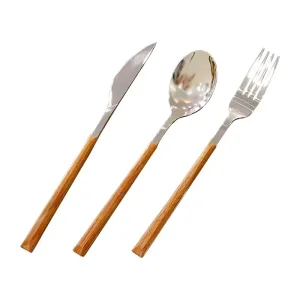
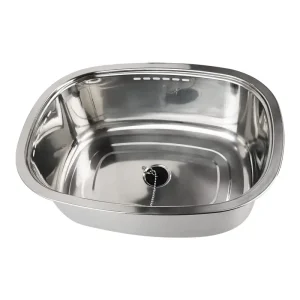
Chaozhou Jinrenkang Hardware Products Co., Ltd. is a large and professional stainless steel kitchenware export and foreign trade enterprise that integrates research and development, design, customization, manufacturing, and sales. The company has always focused on the development and exploration of stainless steel tableware products, covering several series and hundreds of products such as soup pots, steamers, wire racks, and meal plates. The flexible integration of various products provides overseas customers with more diverse choices.
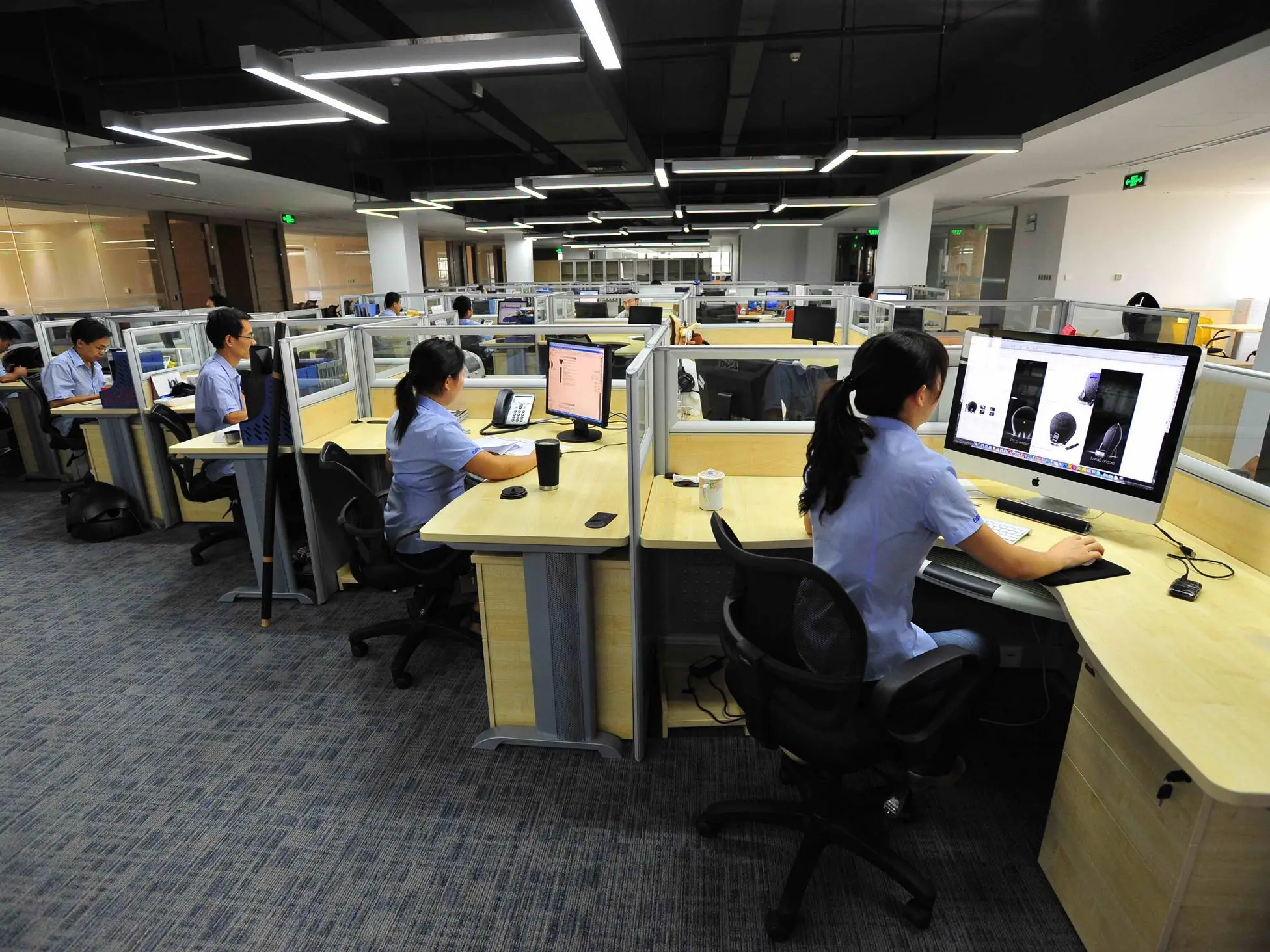
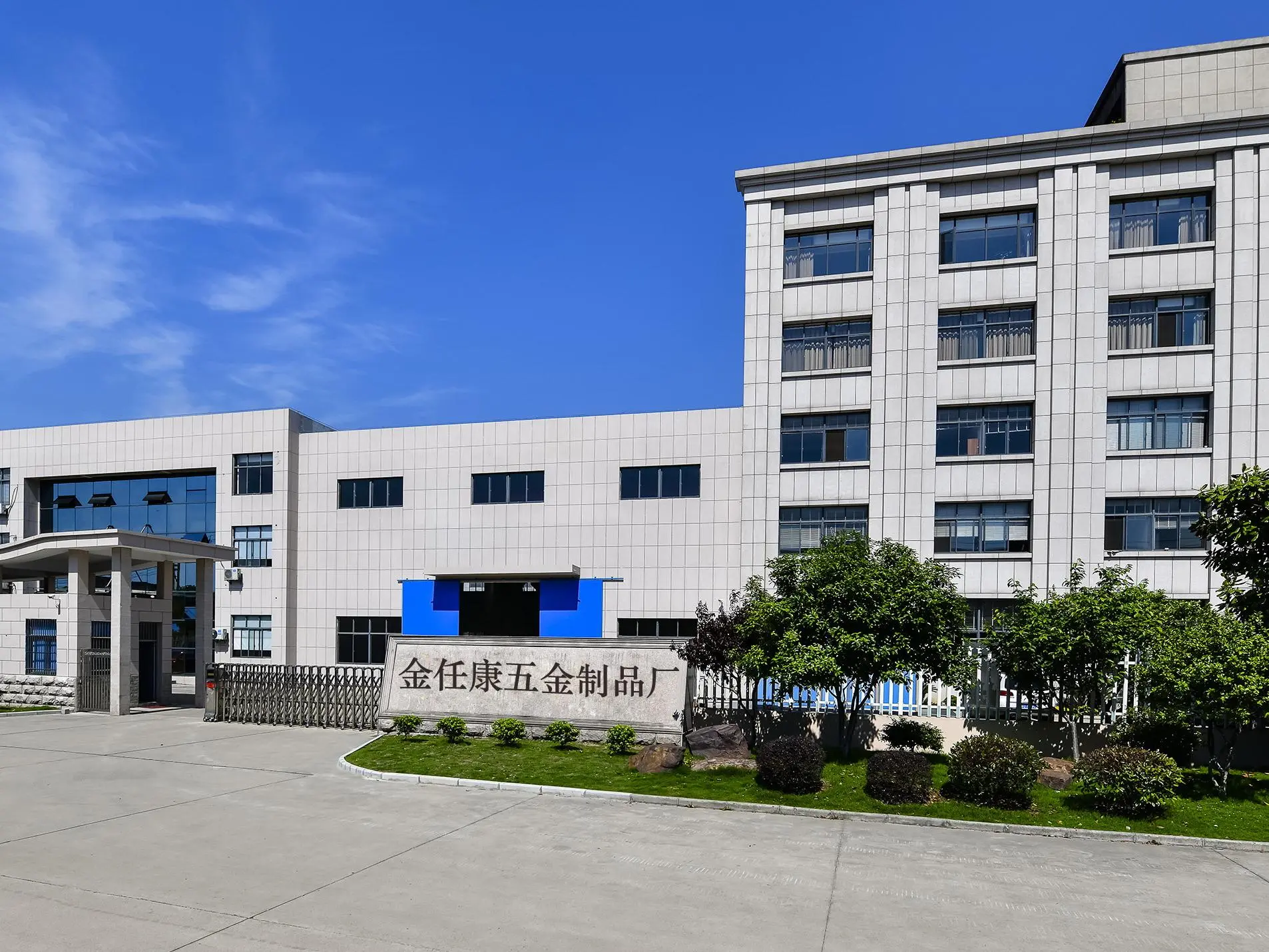
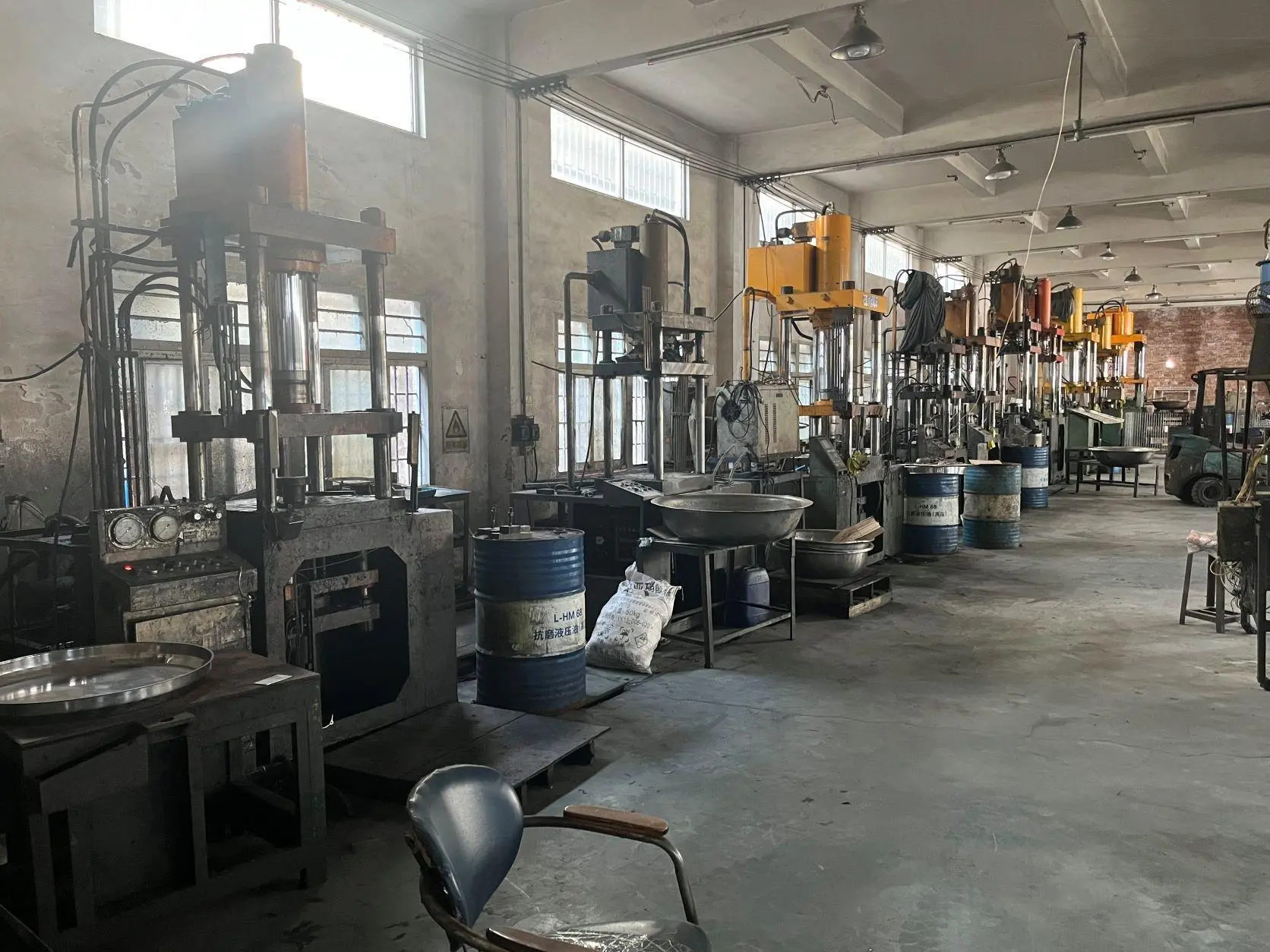
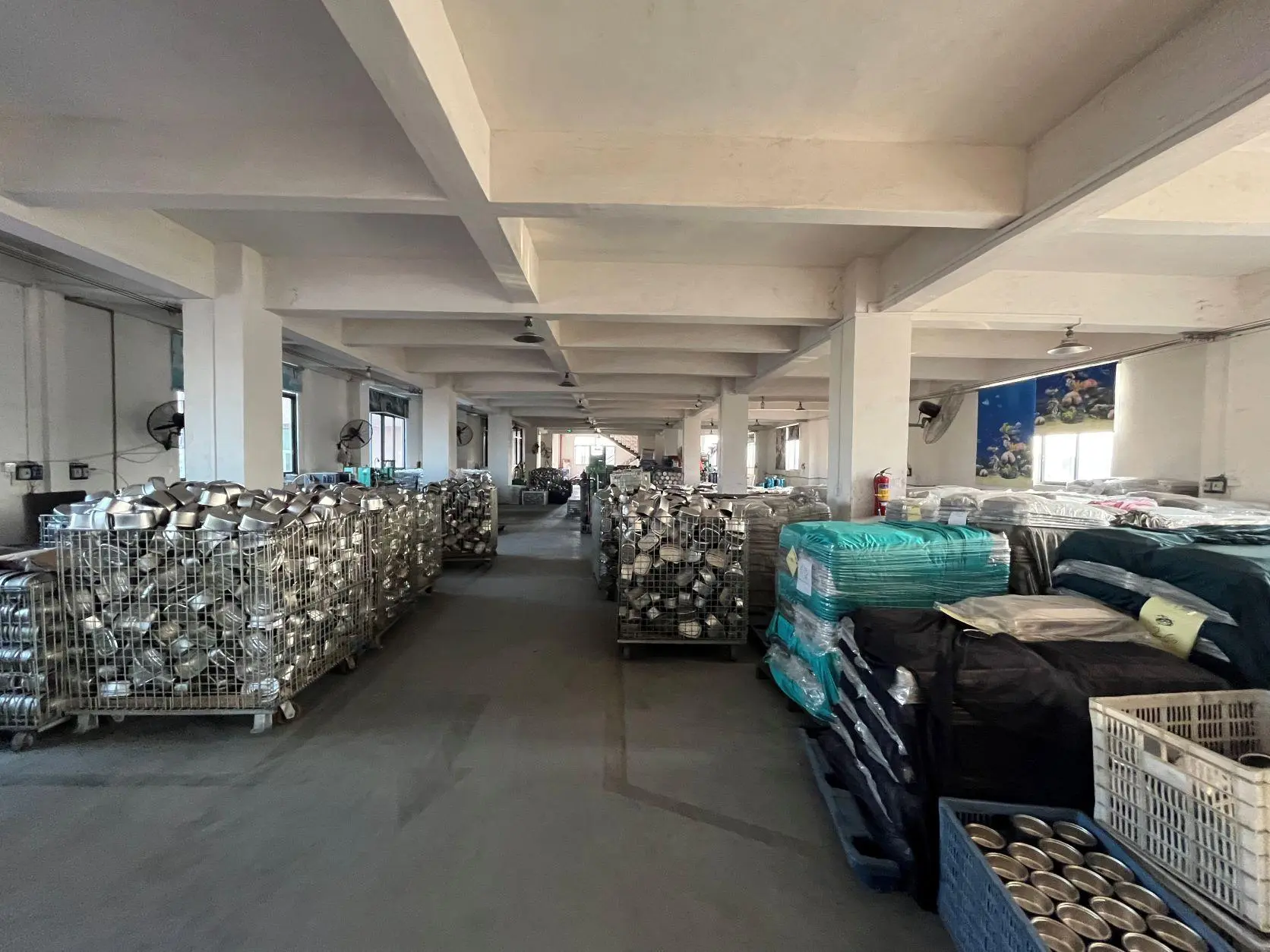
Our company has been committed to implementing a global operational strategy and building a comprehensive sales and service system. We have stable cooperative relationships with many well-known enterprises at home and abroad. Through a sales network covering major global markets, we provide affordable, durable, and safe stainless steel kitchenware to global consumers.
The shift from AISI 201 to AISI 304 (18/8) and AISI 316 (Marine Grade) is standardizing for high-end kitchen bowls. Future roadmaps include "Antimicrobial Copper-infused Stainless Steel" which naturally inhibits 99% of bacteria, essential for the next generation of food-grade storage.
Automation in deep-drawing and laser welding ensures zero-defect structural integrity. AI-driven quality inspection at our factory identifies microscopic surface fissures, ensuring every bowl exported meets rigorous mechanical stress tests.
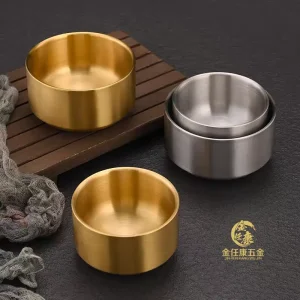
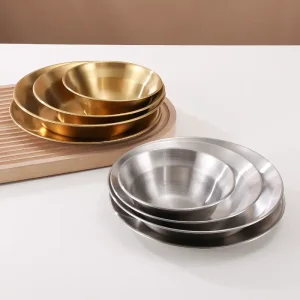
Beyond traditional mirror polishing, we are exploring PVD (Physical Vapor Deposition) for metallic colors (Gold, Rose Gold, Black) that are food-safe and scratch-resistant, catering to the aesthetic demands of modern lifestyle brands.
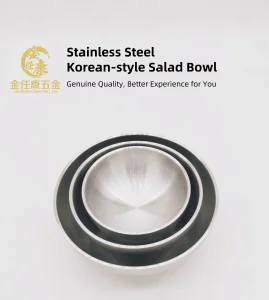
For hotels and restaurants, we provide double-layered insulated bowls that maintain food temperature while remaining cool to the touch. Our custom stainless steel kitchen bowl designs allow for stackability, saving 40% more space in commercial kitchen environments.
Large-scale mixing bowls with reinforced rims and acid-resistant finishes provide the durability required for chemical and biological stability in high-throughput food production lines.
Lightweight yet indestructible bowls designed for the outdoor recreation market. We offer specialized sandblasted finishes that reduce glare and improve grip for military and camping applications.
A: Professional exporters like Jinrenkang focus on the Information Gain of material certification. This includes providing chemical composition reports (Ni and Cr content), passivation layer thickness tests, and impact resistance certification, ensuring the product survives high-frequency commercial use.
A: 304 stainless steel contains 8% nickel and 18% chromium, making it highly resistant to corrosion from acidic foods (like vinegar or citrus). While 201 is cheaper, it is prone to pitting and rust in humid or saline environments, making 304 the standard for "Professional Exporter" grade products.
A: Yes, as a leading manufacturer, we provide end-to-end services from CAD design and 3D prototyping to custom mold creation and logo etching (laser or silk-screen), helping brands differentiate in a competitive market.
A: It provides superior thermal insulation. For hot soups, it prevents external heat transfer (anti-scald), and for cold desserts, it prevents external condensation, maintaining the bowl's exterior dry and easy to handle.
 Jinrenkang Hardware