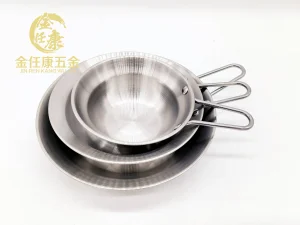
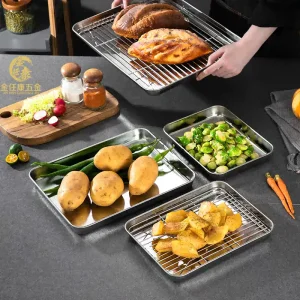
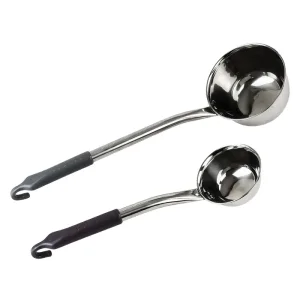
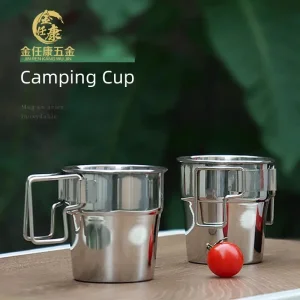
In the high-intensity environments of modern food preparation, commercial bakeries, and chemical laboratory operations, the design configuration of mixing vessels directly impacts processing efficiency, chef fatigue, and cleanliness. While traditional deep mixing bowls have served the culinary industry for decades, the rise of specialized culinary techniques and ergonomic automation has initiated a major shift toward Shallow Mixing Bowls.
As a global leader in hardware engineering and premium kitchenware manufacturing, Chaozhou Jinrenkang Hardware Products Co., Ltd. provides customized shallow mixing bowls designed for optimal fluid dynamics, ease of sanitation, and durability. By using premium raw materials and advanced deep-drawing manufacturing processes, we ensure that every bowl meets strict international quality standards, offering unmatched E-E-A-T (Experience, Expertise, Authoritativeness, Trustworthiness) parameters to commercial buyers worldwide.
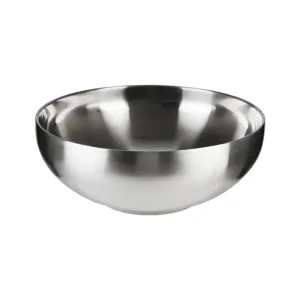
Designed with a wider surface area and lower walls to reduce wrist strain during manual whisking, beating, and folding processes.
Manufactured from high-grade SUS304 and SUS316 austenitic stainless steel, providing superior resistance to chemical corrosion.
Available with customizable dimensions, thickness, outer finishes, and bottom weight distributions to meet specific manufacturing needs.
A primary design benefit of the shallow mixing bowl is its geometry. By modifying the traditional deep vertical curvature to a wider, shallow configuration, the internal radius creates a larger surface-area-to-volume ratio. This shape alters fluid dynamics in several key ways:
In food preparation, introducing air into mixtures—such as egg whites, double cream, or batters—is key. A shallow bowl configuration allows the whisk to travel at a flatter angle, maximizing contact with the mixture and increasing shear stress per stroke. This speeds up aeration compared to deeper bowls, where the whisk movement is constrained by steep, vertical walls.
For tasks requiring precise temperature control—like melting chocolate over a bain-marie or cooling emulsions over ice—the wider base of a shallow mixing bowl provides an expanded thermal transfer zone. When placed over heat or cold sources, the heat distributes quickly across the metal surface, minimizing hot spots and preventing issues like separation or burning in delicate mixtures.
Repetitive strain injuries (RSI) like carpal tunnel syndrome are common challenges in commercial food production. Shallow bowls lower the height of the rim, allowing chefs to maintain their shoulders, elbows, and wrists in a more neutral position. This reduces fatigue and muscle strain during long shifts.
China remains the global center for hardware manufacturing, and the Chaozhou industrial cluster stands out for its high-grade stainless steel kitchenware production. Sourcing your custom shallow mixing bowls from Chaozhou Jinrenkang Hardware Products Co., Ltd. provides several key advantages:
Our factory utilizes modern hydraulic presses that apply up to 800 tons of uniform force. This ensures consistent wall thickness across the bowl's curvature, preventing weak points that could lead to cracking under heavy industrial use.
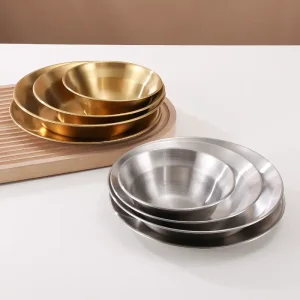
We offer specialized finishing options, including bright mirror polishing, satin brushed textures, and advanced matte coatings. These finishes look professional while making the bowls easier to clean and sterilize.
Every production batch undergoes strict quality control inspections. We check raw materials, verify dimensions, test impact resistance, and verify food-contact safety compliance with international standards like FDA and LFGB.
The demand for specialized, custom stainless steel kitchenware is growing worldwide. Buyers in different markets have distinct requirements based on local regulations and kitchen environments:
In the United States and Canada, durability, cleanability, and food safety compliance are top priorities. Commercial kitchens require NSF-certified, heavy-gauge stainless steel (typically 22-gauge or 18-gauge) to withstand heavy daily use. Additionally, non-slip silicone bottoms are highly requested to keep bowls stable on metal workstations.
The European market focuses heavily on strict food contact regulations (such as LFGB and REACH) and eco-friendly manufacturing. Our high-nickel SUS304 alloy bowls resist corrosion from acidic ingredients, meeting Europe's stringent standards. Modern commercial kitchens also prefer stackable, space-saving designs to optimize smaller European kitchen layouts.
In the fast-growing Asia-Pacific market, kitchenware needs to be multi-functional. Shallow bowls are popular because they can easily transition from preparation vessels to direct serving bowls. This versatility is ideal for hot pots, cold noodle dishes, and traditional dipping sauces, providing excellent value for regional food businesses.
Chaozhou Jinrenkang Hardware Products Co., Ltd. serves a diverse group of global commercial clients, offering customized manufacturing and supply solutions tailored to each industry's needs:
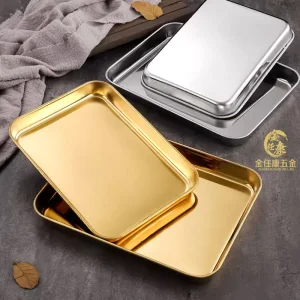
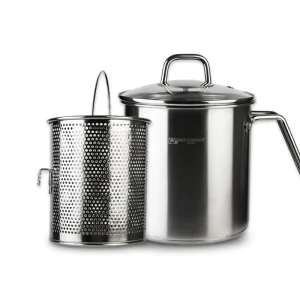
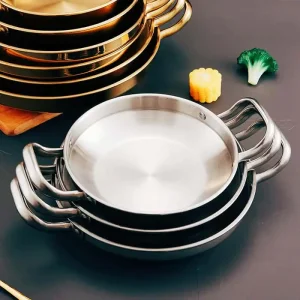
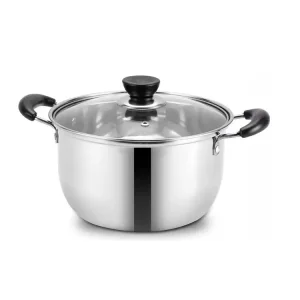
We supply hotels, restaurants, and catering companies with matched sets of mixing bowls, prep trays, and stock pots. Our products feature consistent weights and stackable designs, making kitchen operations smoother and storage more efficient.
For retail brands and distributors, we offer complete customization services. This includes custom sizes, logo etching, laser branding, and bespoke packaging solutions, helping brands build a cohesive product identity.
We manufacture extra-thick mixing vessels designed to withstand automated mechanical mixing. These robust products are engineered to resist physical wear, making them ideal for heavy-duty food production lines.
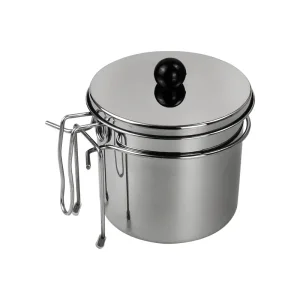
Chaozhou Jinrenkang Hardware Products Co., Ltd. is a large and professional stainless steel kitchenware export and foreign trade enterprise that integrates research and development, design, customization, manufacturing, and sales. The company has always focused on the development and exploration of stainless steel tableware products, covering several series and hundreds of products such as soup pots, steamers, wire racks, and meal plates. The flexible integration of various products provides overseas customers with more diverse choices.
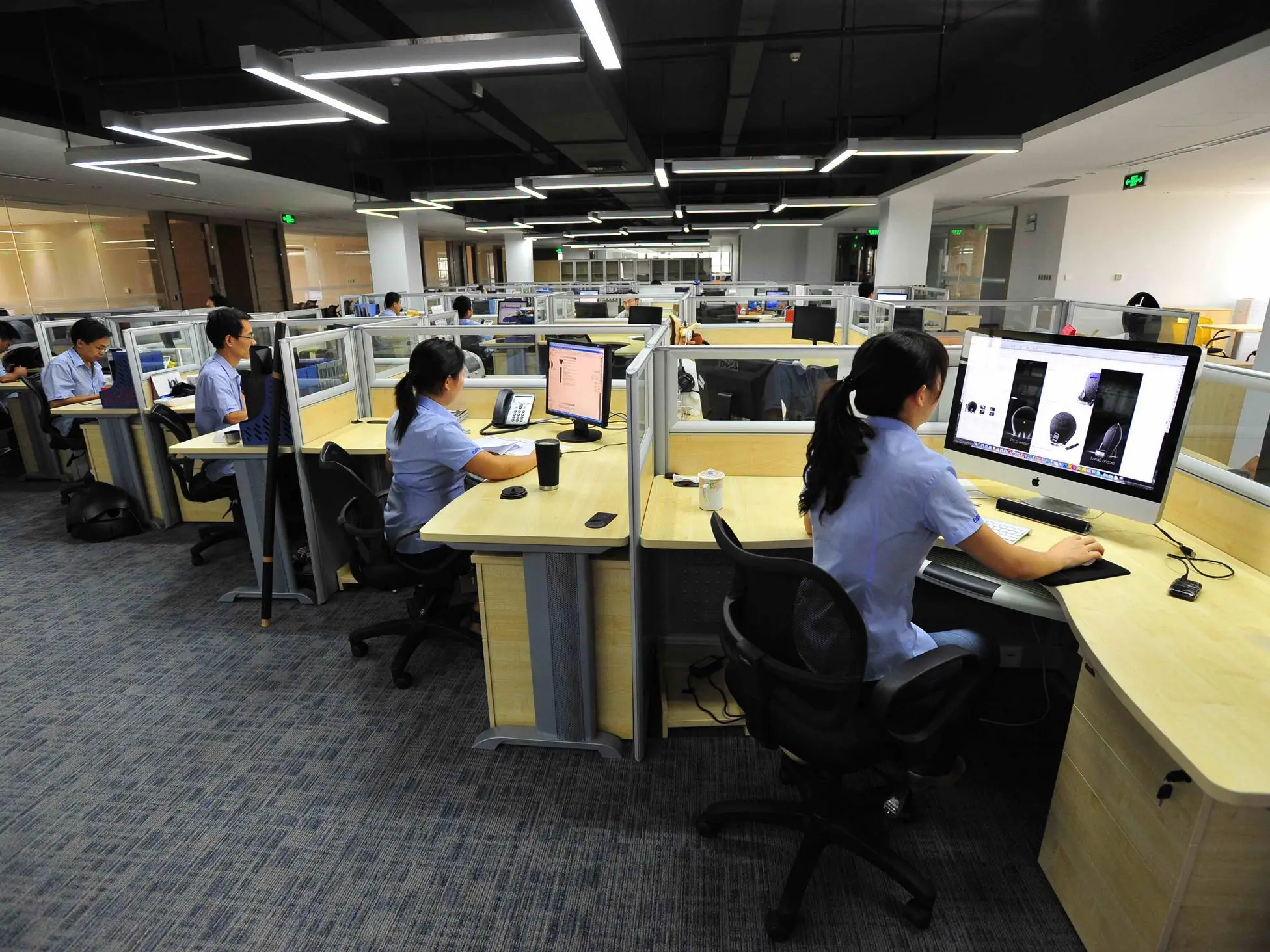
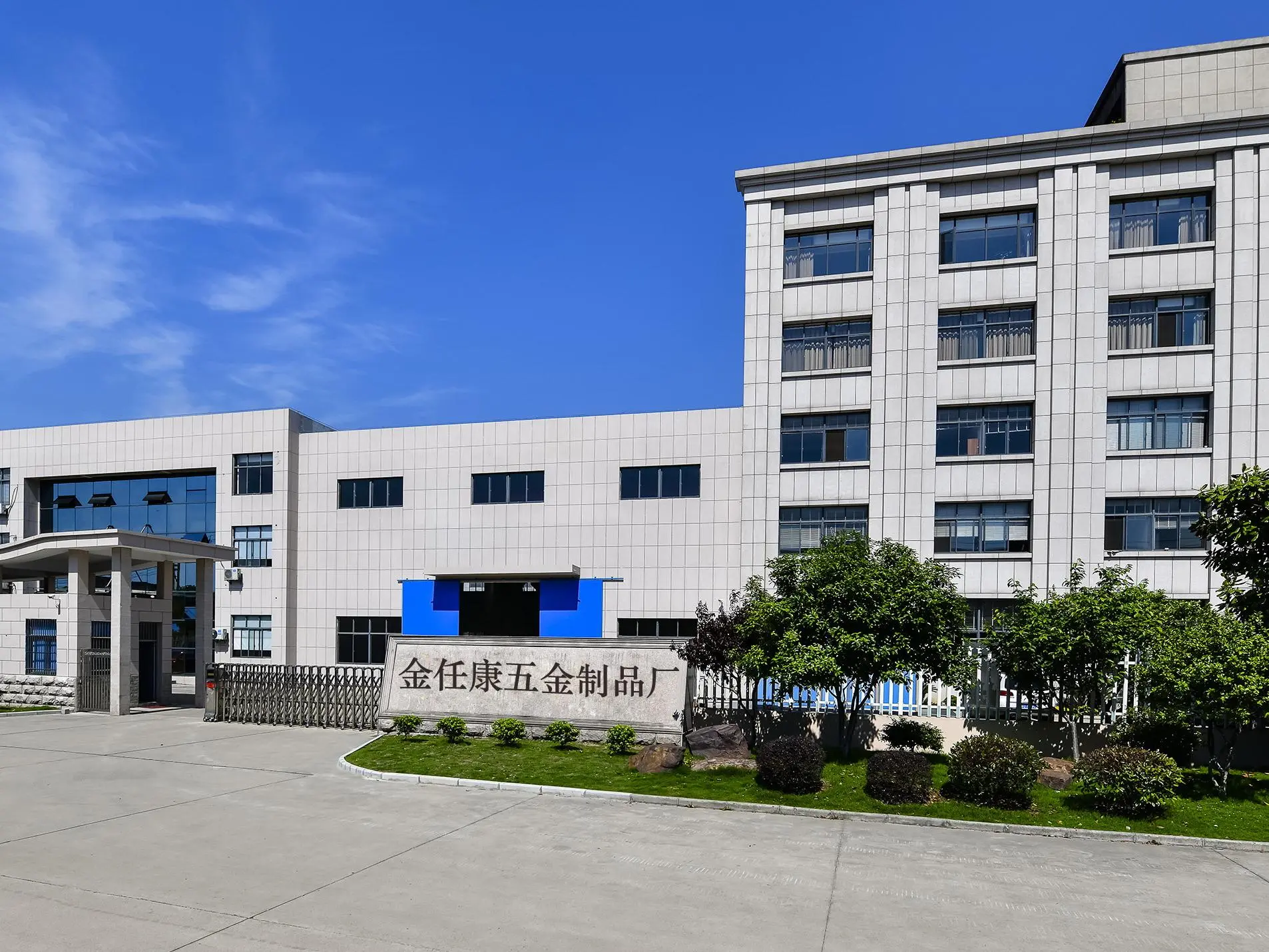
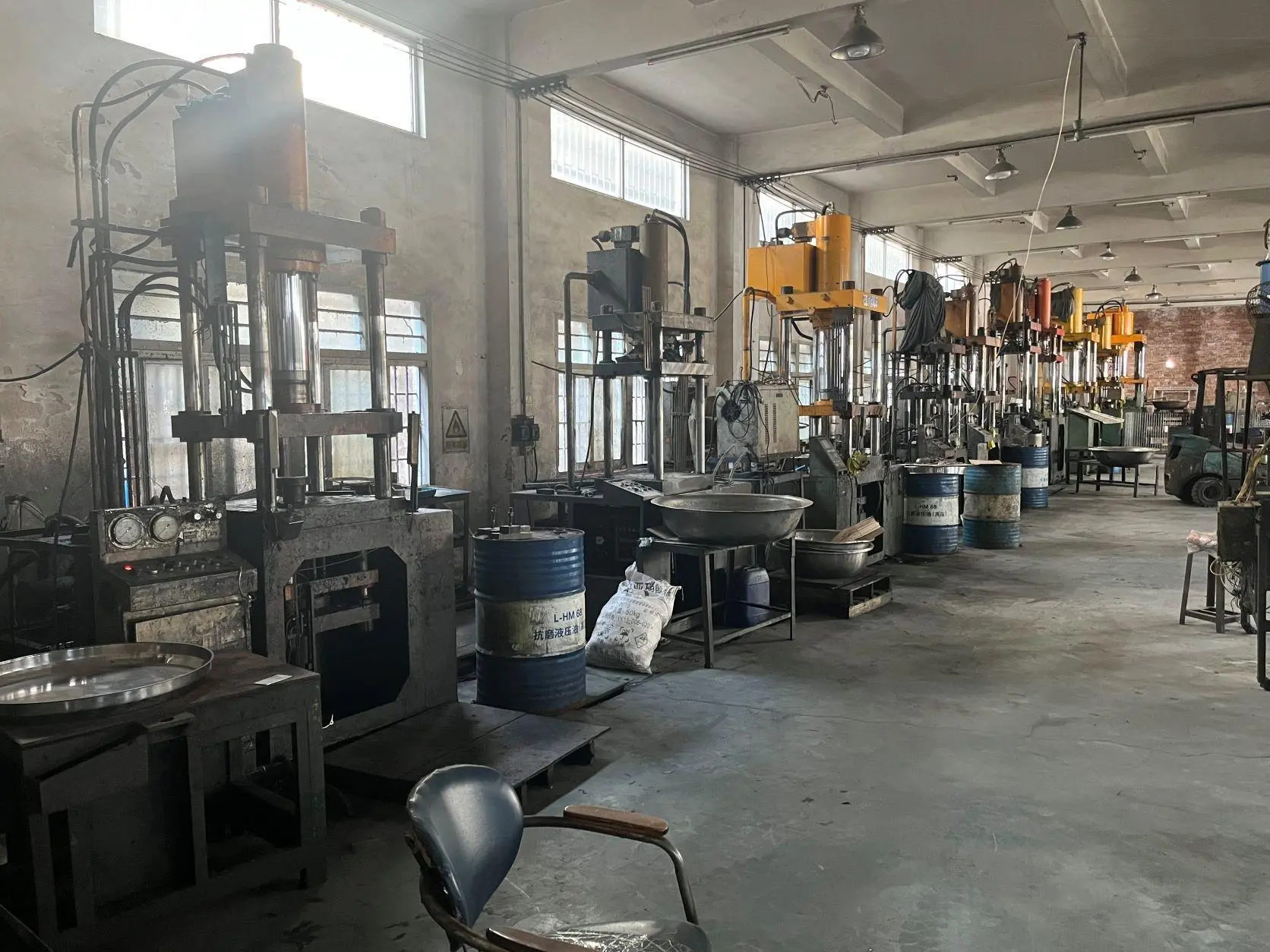
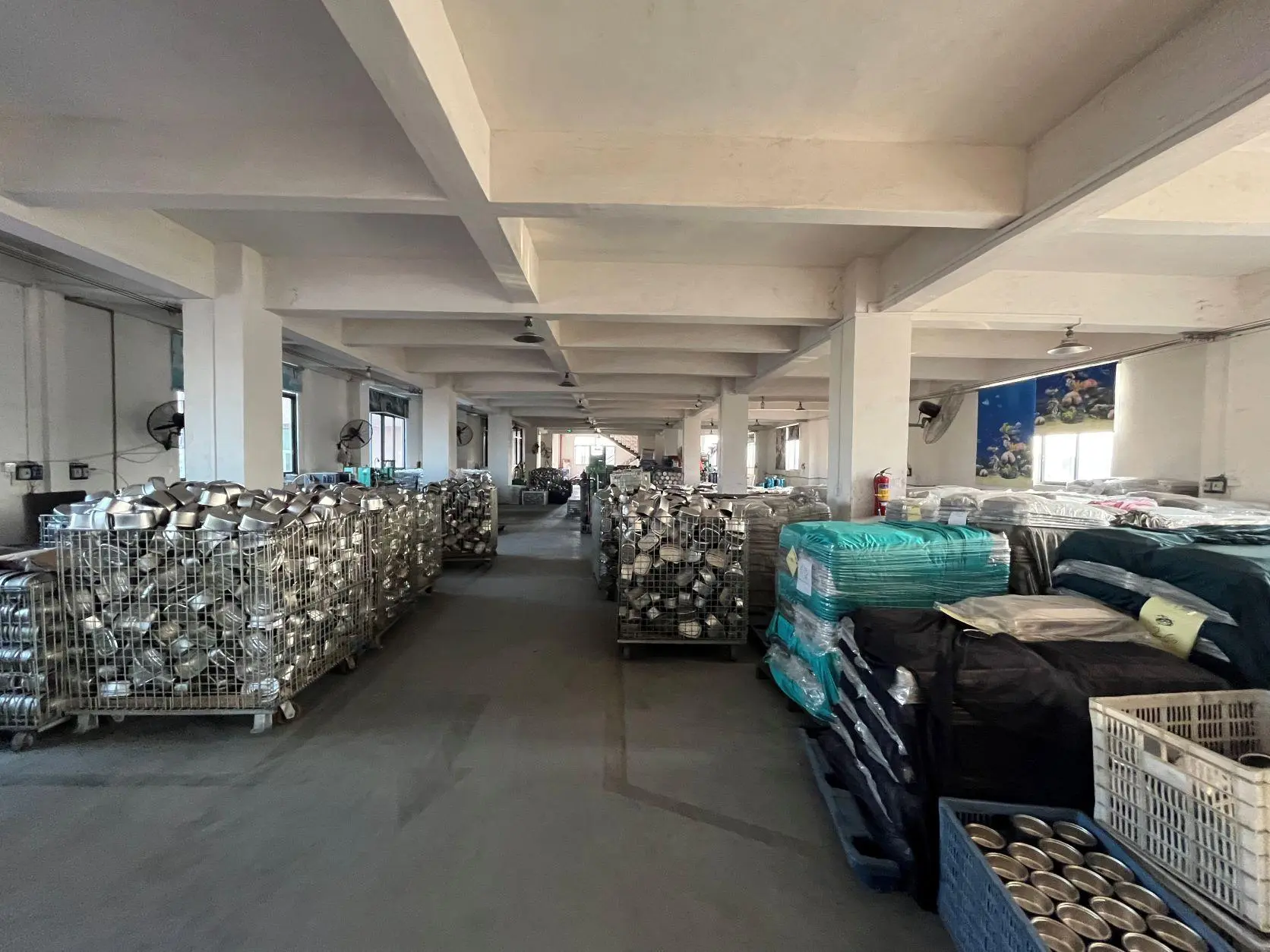
Chaozhou Jinrenkang Hardware Products Co., Ltd. has been committed to implementing a global operational strategy and building a comprehensive sales and service system. Our company has stable cooperative relationships with many well-known enterprises at home and abroad, and our product sales are spread to more than 100 countries and regions such as the United States, Canada, the United Kingdom, and Australia, with an annual export value exceeding 40 million US dollars. Through a sales network covering major global markets, we provide affordable, durable, and safe stainless steel kitchenware to global consumers.
So far, our company has adhered to the business philosophy of "pursuing innovation and quality first", established the core values of "people-oriented, quality first, customer first, and service sincere", implemented the quality policy of "craftsmanship and excellence", and has a vision of "leading a healthy and quality life and improving the national happiness index"; Breaking through the cocoon in the field of hardware manufacturing, ushering in a new era of advocating health, pursuing excellence, and enjoying quality.
Understanding the technical and chemical properties of stainless steel food contact vessels is essential for commercial purchasing. Here, we address common questions from procurement managers and engineers:
 Jinrenkang Hardware