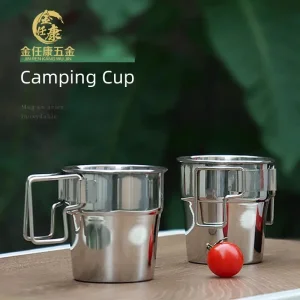
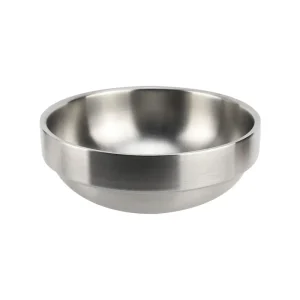
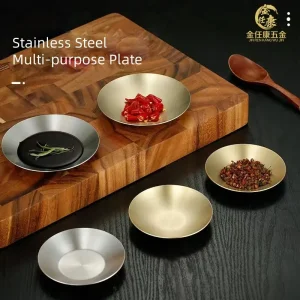
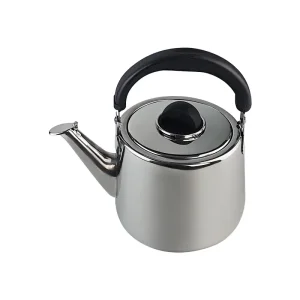
The global demand for stainless steel eating bowls and kitchenware has undergone a seismic shift in the last decade. As consumers and commercial enterprises move away from single-use plastics and fragile ceramics, stainless steel has emerged as the "material of choice" for the modern age. Driven by the circular economy and stringent food safety regulations (FDA, LFGB, and REACH), the market is projected to grow at a CAGR of 5.8% through 2030.
In industrial and commercial settings—ranging from high-traffic hospital cafeterias to rugged outdoor camping excursions—the resilience of 304 (18/8) and 316-grade stainless steel is unmatched. This "Whitepaper" analyzes how China Stainless Steel Eating Bowls Factories, specifically those located in the Chaozhou hardware cluster, have optimized their supply chains to meet this surging global demand with precision, safety, and cost-efficiency.
China remains the epicenter of stainless steel kitchenware production for three primary reasons: Material Vertical Integration, Labor Expertise, and Logistical Dominance. Within this landscape, Chaozhou Jinrenkang Hardware Products Co., Ltd. represents the pinnacle of localized efficiency. Unlike scattered manufacturers, a centralized factory in Chaozhou benefits from the proximity to high-grade raw material suppliers and specialized mold-making workshops.
Information Gain: While many importers focus solely on price, the real value lies in the Total Cost of Ownership (TCO). Chinese factories have pioneered the use of automated hydraulic pressing and ultrasonic cleaning lines, which drastically reduce defect rates to less than 0.05%. This technological edge allows us to offer premium bowls that maintain their luster and anti-corrosive properties even after thousands of cycles in commercial dishwashers.
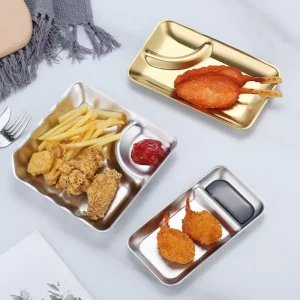
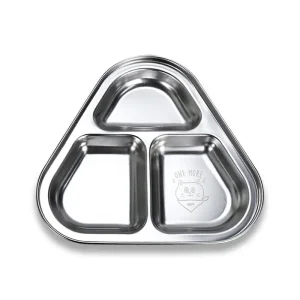
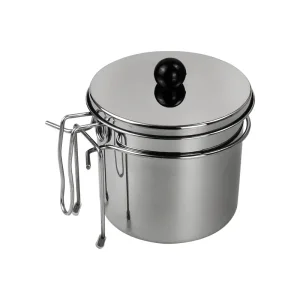
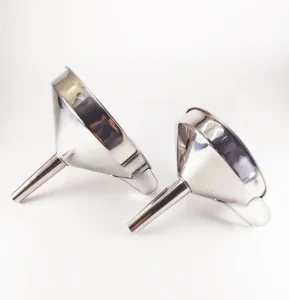
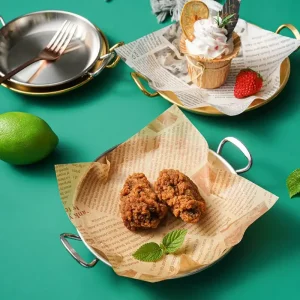
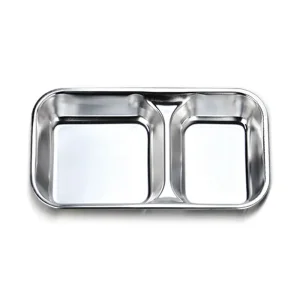
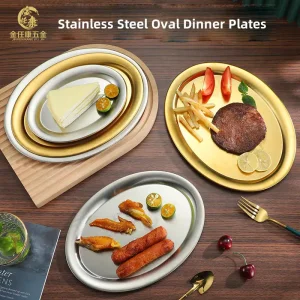
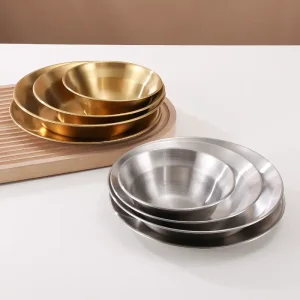
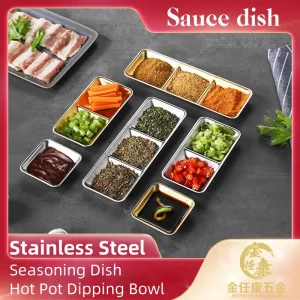
Chaozhou Jinrenkang Hardware Products Co., Ltd. is a large and professional stainless steel kitchenware export and foreign trade enterprise that integrates research and development, design, customization, manufacturing, and sales. The company has always focused on the development and exploration of stainless steel tableware products, covering several series and hundreds of products such as soup pots, steamers, wire racks, and meal plates. The flexible integration of various products provides overseas customers with more diverse choices.
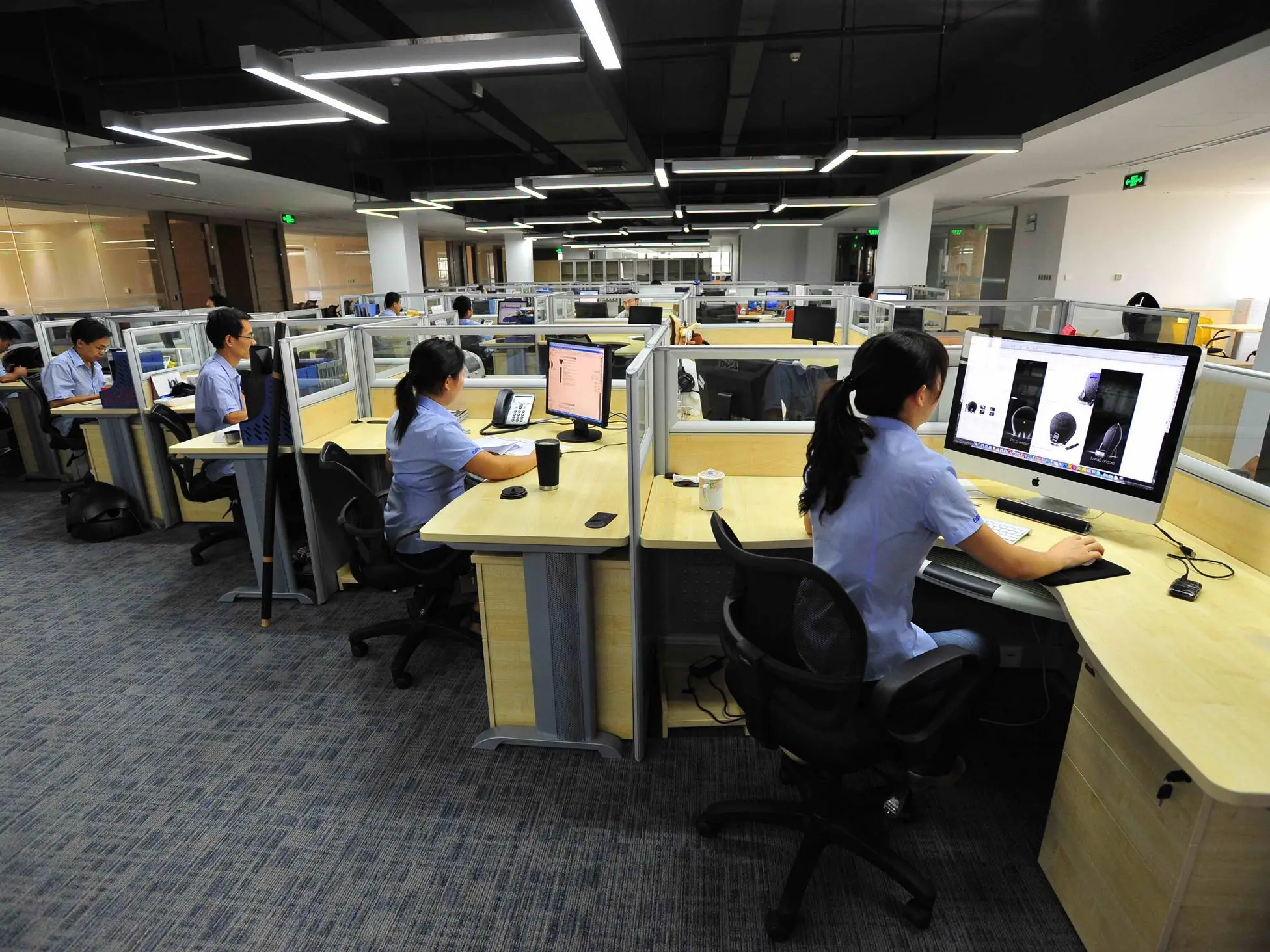
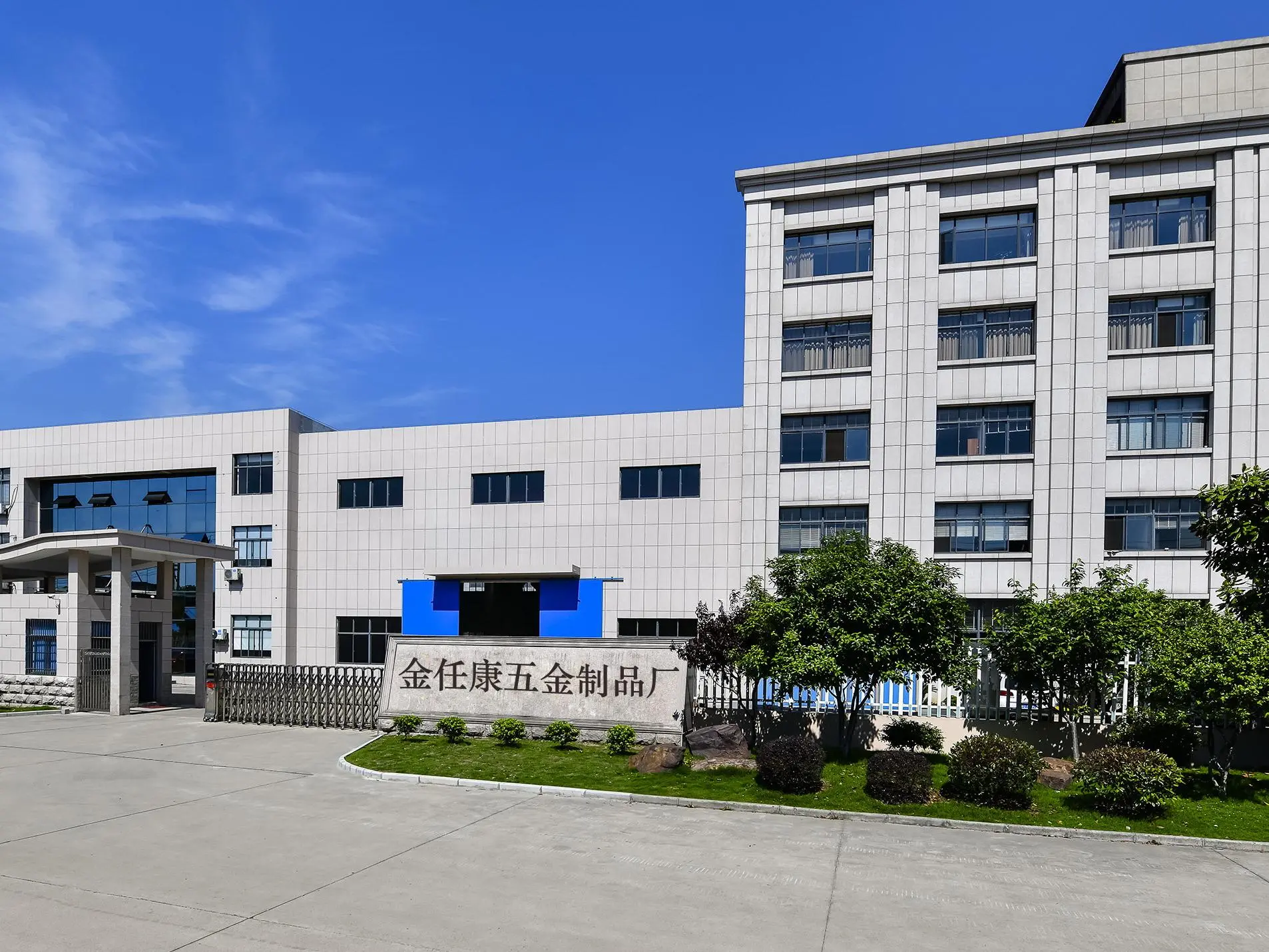
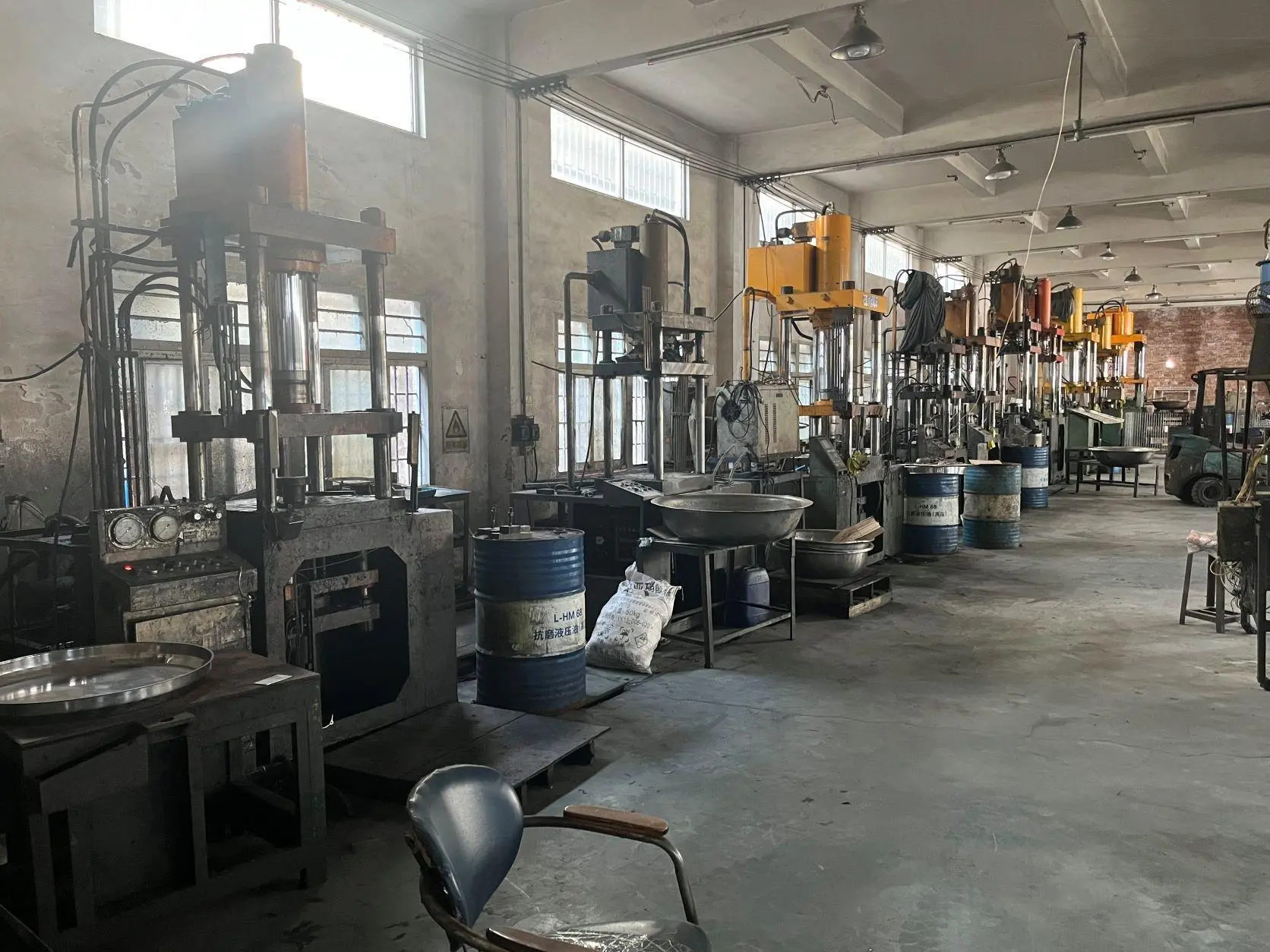
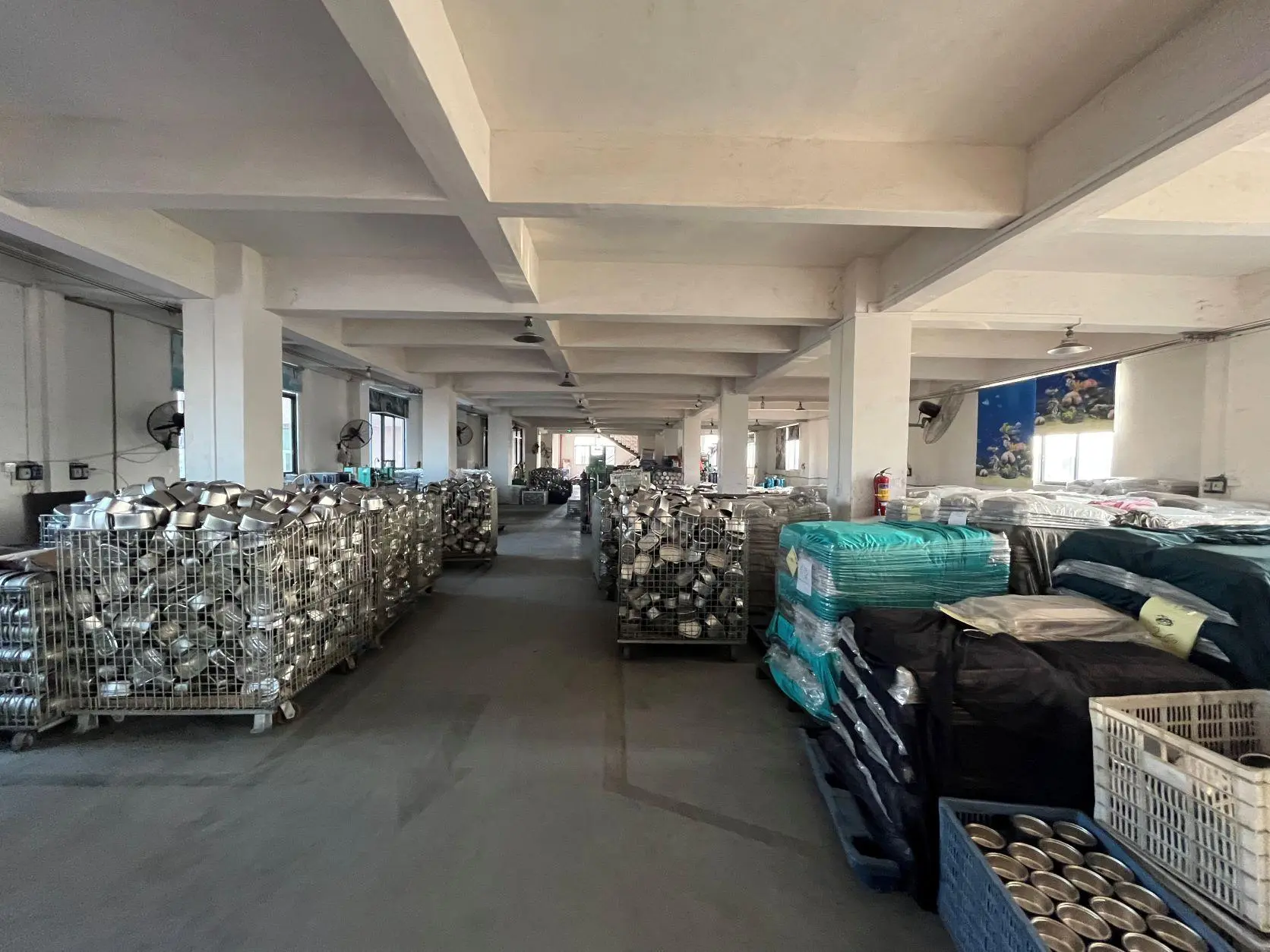
Chaozhou Jinrenkang Hardware Products Co., Ltd. has been committed to implementing a global operational strategy and building a comprehensive sales and service system. Our company has stable cooperative relationships with many well-known enterprises at home and abroad, and our product sales are spread to more than 100 countries and regions such as the United States, Canada, the United Kingdom, and Australia, with an annual export value exceeding 40 million US dollars. Through a sales network covering major global markets, we provide affordable, durable, and safe stainless steel kitchenware to global consumers.
So far, our company has adhered to the business philosophy of "pursuing innovation and quality first", established the core values of "people-oriented, quality first, customer first, and service sincere", implemented the quality policy of "craftsmanship and excellence", and has a vision of "leading a healthy and quality life and improving the national happiness index"; Breaking through the cocoon in the field of hardware manufacturing, ushering in a new era of advocating health, pursuing excellence, and enjoying quality.
The post-pandemic world demands higher hygiene standards. We are seeing a 40% increase in requests for seamless, electro-polished finishes that prevent bacterial adhesion.
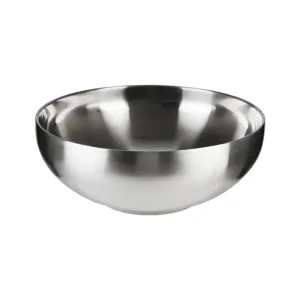
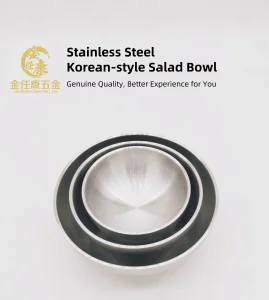
For soup bowls and noodle bowls, double-walled construction is the new standard. It keeps food hot while remaining cool to the touch, improving safety for children and the elderly.
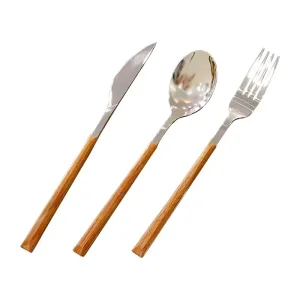
Moving away from the "industrial look," modern stainless steel bowls now feature PVD coatings and wood-grain imitations to match high-end dining environments.
For international buyers—distributors, hospitality groups, or brand owners—navigating the sourcing landscape requires more than just looking at a price list. Here are critical factors for a successful procurement cycle:
A: 304 stainless steel is the gold standard for food contact. It is highly resistant to organic acids found in food and does not leach harmful chemicals or metallic tastes, ensuring flavor purity and long-term durability compared to cheaper 201-grade steel.
A: Yes. Chaozhou Jinrenkang specializes in OEM/ODM services. Our in-house R&D team can develop custom molds based on your 3D blueprints or physical samples, covering everything from specific diameters to unique stacking features.
A: We implement a three-stage QC process: IQC (Incoming Quality Control) for raw materials, IPQC (In-Process Quality Control) during stamping and polishing, and FQC (Final Quality Control) before packaging. Each batch is tested for corrosion resistance and dimensional accuracy.
A: While MOQs vary by product, we typically work with quantities that optimize shipping container space (LCL or FCL). For standard designs, MOQs can be as low as 500-1000 units to support growing brands.
 Jinrenkang Hardware