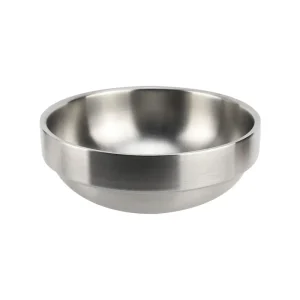
In the high-stakes environment of commercial baking and industrial food production, the stainless steel batter bowl has evolved from a simple kitchen utensil into a precision-engineered component of the food processing workflow. As global food safety standards like HACCP and FDA regulations become more stringent, the demand for high-grade SUS304 and SUS316L stainless steel vessels has surged.
The current global market for stainless steel kitchenware is projected to grow at a CAGR of 5.8% through 2030. This growth is driven by the rapid expansion of the Horeca (Hotel, Restaurant, and Catering) sector in Southeast Asia and the increasing preference for durable, sustainable, and BPA-free alternatives in Western markets. China, particularly the manufacturing hubs in Guangdong, remains the undisputed leader in this sector, accounting for over 65% of global output through advanced deep-drawing technology and automated surface finishing processes.
Global Market Share
Annual Growth Rate
Export Countries
Grade Materials
Modern factories are integrating AI-driven defect detection systems. Using computer vision, we ensure that every batter bowl has a perfectly uniform thickness and zero micro-fissures, which are critical for preventing bacterial growth.
The "Green Steel" initiative is reshaping the industry. We are adopting closed-loop water recycling and energy-efficient vacuum annealing to reduce the carbon footprint of every stainless steel unit produced.
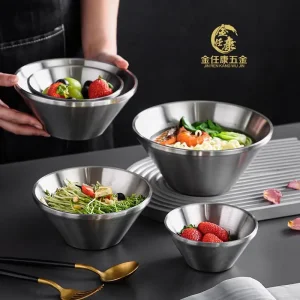
Intent-based design focuses on user safety. Features like non-slip silicone bases, laser-etched measurement scales, and "easy-pour" spouts are now standard for high-end professional batter bowls.
Phase 1: Material Innovation. The next generation of batter bowls will feature antimicrobial stainless steel alloys. By incorporating copper or silver ions into the steel matrix, we can create surfaces that actively inhibit 99.9% of bacterial growth, a game-changer for large-scale bakeries.
Phase 2: Digital Integration. We are exploring "Smart Bowls" equipped with integrated weighing sensors and Bluetooth connectivity. This allows chefs to track ingredient ratios directly via mobile apps, ensuring perfect consistency in every batch of batter.
Phase 3: Hyper-Personalization. Utilizing 3D metal printing for customized handle designs and specialized geometries tailored to specific industrial mixing machines, reducing wear and tear on mixing blades.
The future of the China Stainless Steel Batter Bowl industry lies in the fusion of traditional craftsmanship with Industry 4.0. Suppliers are moving away from being mere manufacturers to becoming "Solution Providers" who understand the nuances of food rheology and industrial ergonomics.
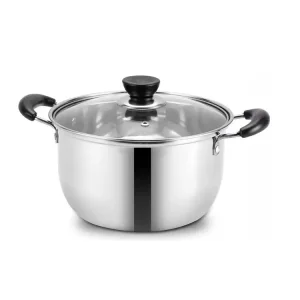
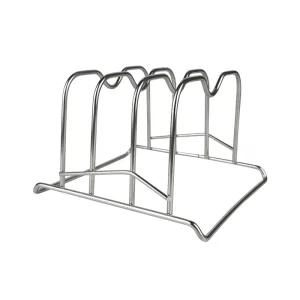
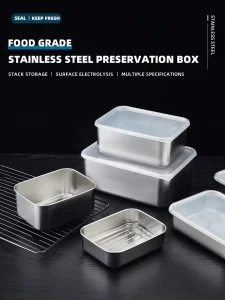
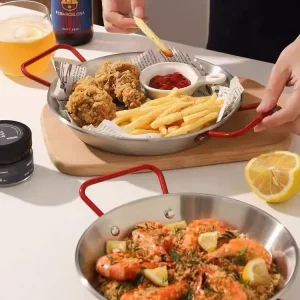
Chaozhou Jinrenkang Hardware Products Co., Ltd. is a large and professional stainless steel kitchenware export and foreign trade enterprise that integrates research and development, design, customization, manufacturing, and sales. The company has always focused on the development and exploration of stainless steel tableware products, covering several series and hundreds of products such as soup pots, steamers, wire racks, and meal plates. The flexible integration of various products provides overseas customers with more diverse choices.
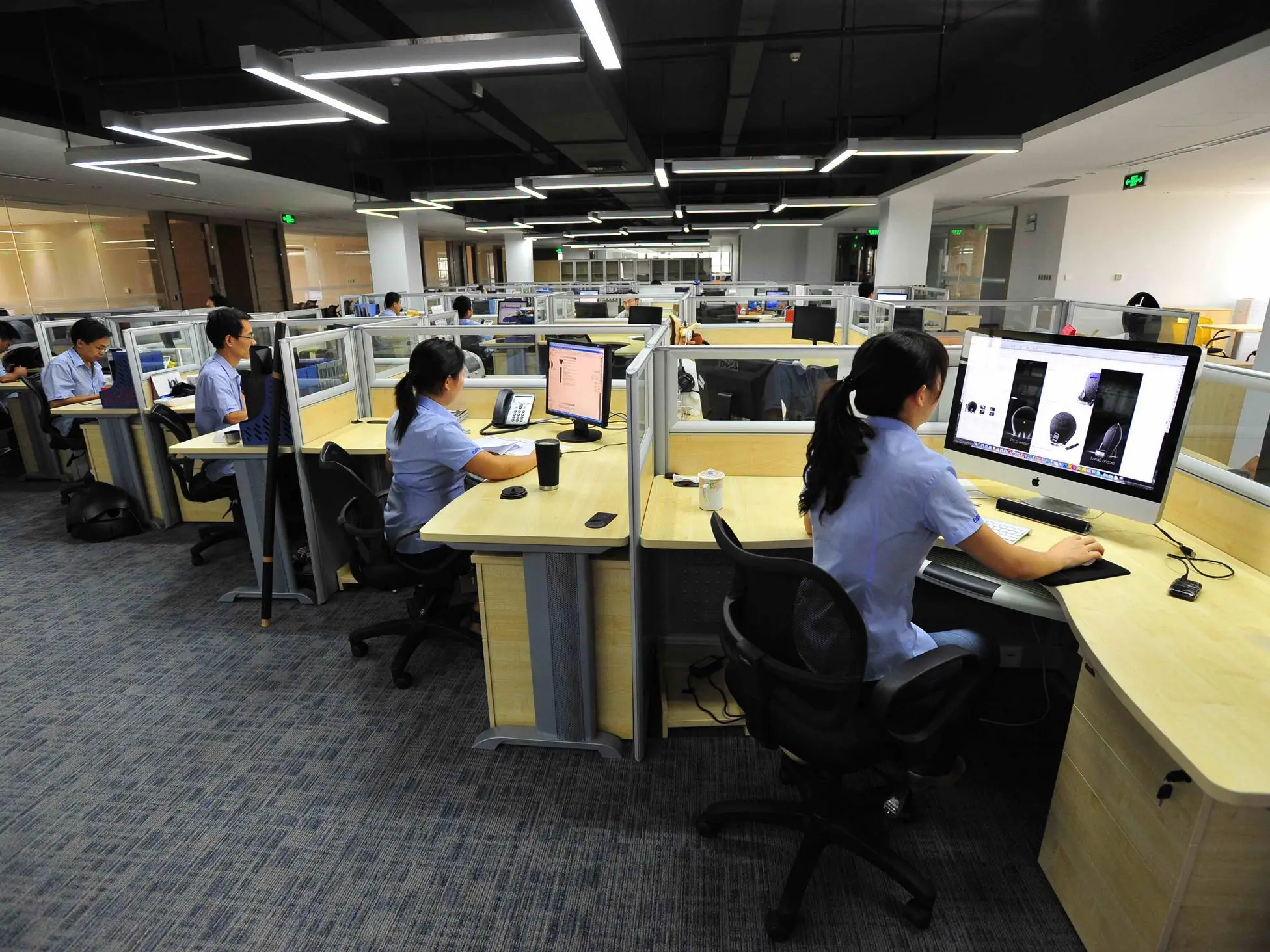
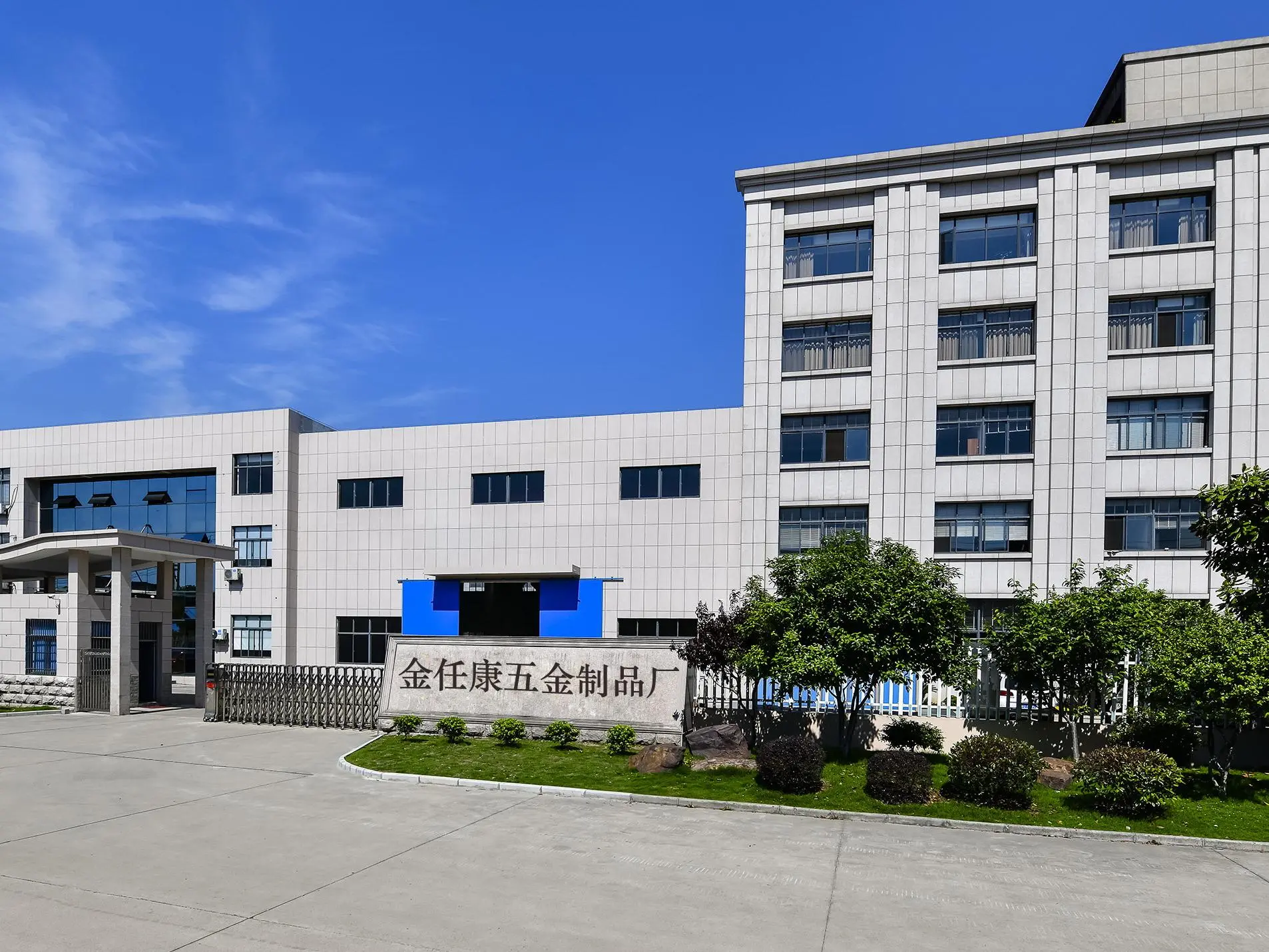
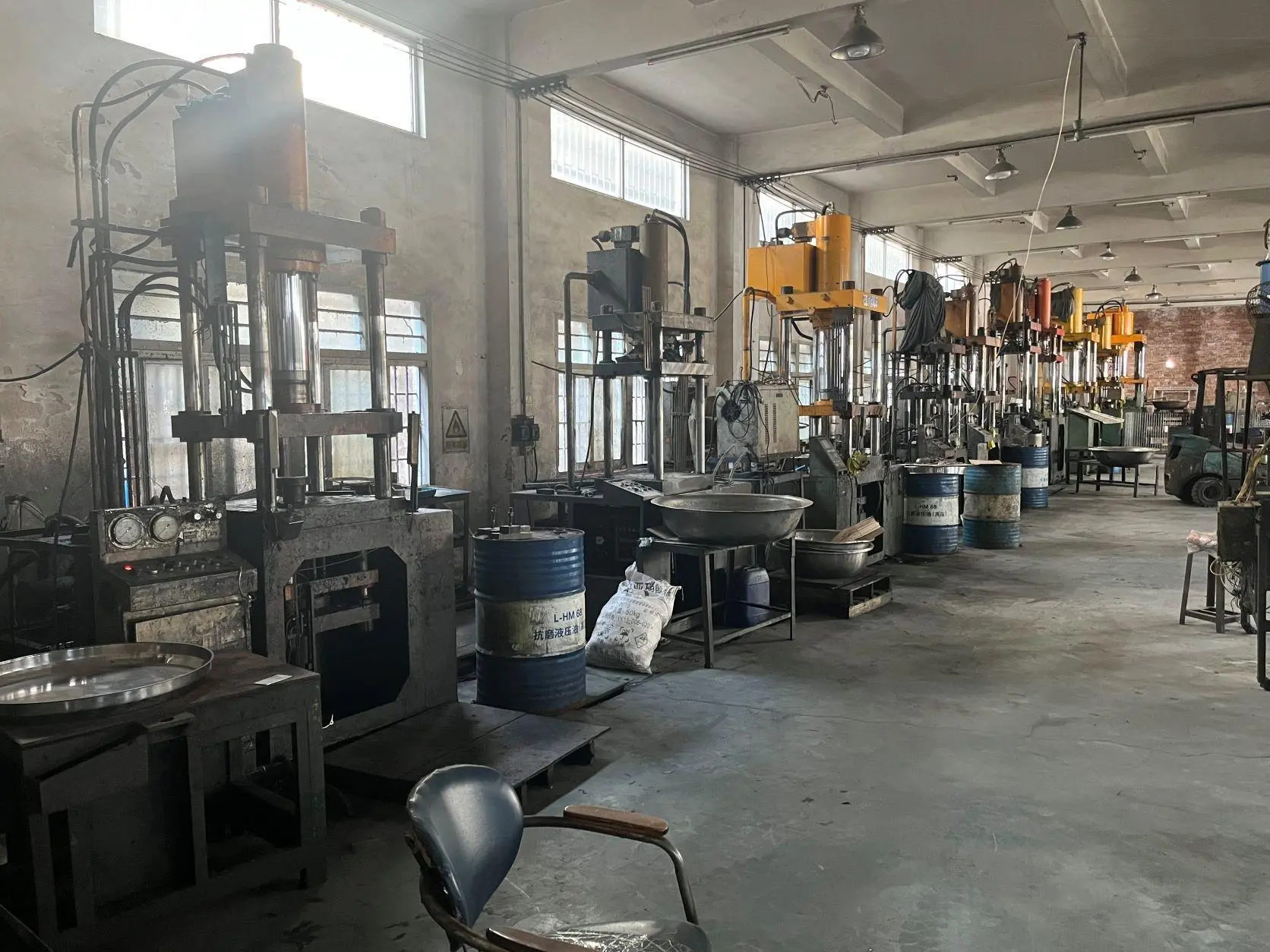
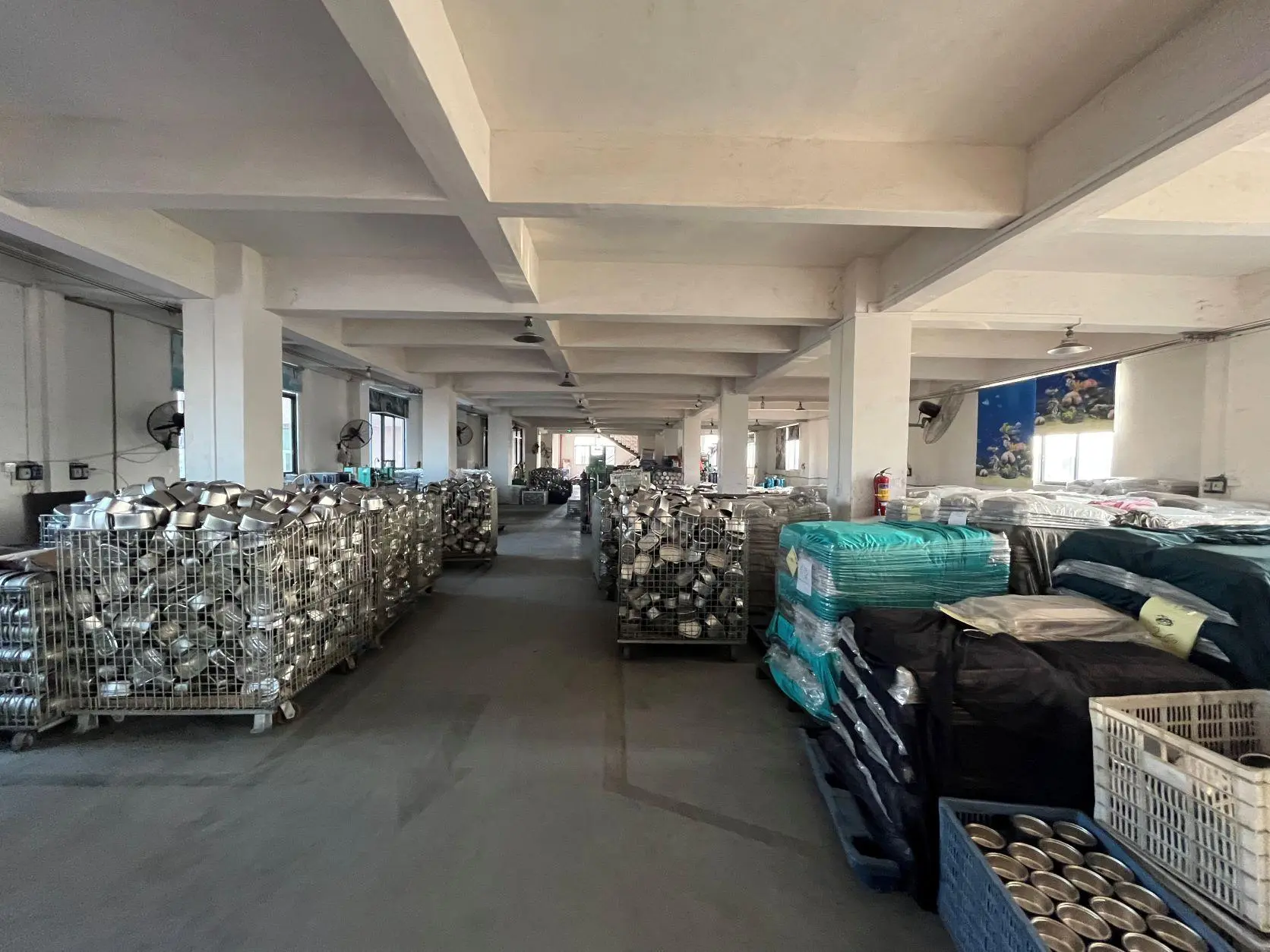
Chaozhou Jinrenkang Hardware Products Co., Ltd. has been committed to implementing a global operational strategy and building a comprehensive sales and service system. Our company has stable cooperative relationships with many well-known enterprises at home and abroad, and our product sales are spread to more than 100 countries and regions such as the United States, Canada, the United Kingdom, and Australia, with an annual export value exceeding 40 million US dollars. Through a sales network covering major global markets, we provide affordable, durable, and safe stainless steel kitchenware to global consumers.
So far, our company has adhered to the business philosophy of "pursuing innovation and quality first", established the core values of "people-oriented, quality first, customer first, and service sincere", implemented the quality policy of "craftsmanship and excellence", and has a vision of "leading a healthy and quality life and improving the national happiness index"; Breaking through the cocoon in the field of hardware manufacturing, ushering in a new era of advocating health, pursuing excellence, and enjoying quality.
Direct factory access allows for rapid prototyping of custom batter bowl volumes and shapes, reducing time-to-market for kitchenware brands.
Our proximity to raw material sources and major shipping ports in Guangdong ensures stable pricing and reliable lead times despite global logistics fluctuations.
Full documentation support for LFGB, FDA, and CE standards, ensuring smooth customs clearance and retail compliance in all major economies.
Grade 304 contains 18% chromium and 8% nickel, providing excellent corrosion resistance to food acids and moisture. It is non-reactive, ensuring that the flavor of the batter remains untainted, and it can withstand the high-torque mixing required in industrial applications.
Yes. Modern factories utilize high-precision fiber laser marking machines to etch permanent, easy-to-read measurement scales in both metric and imperial units. Unlike printed scales, these will never fade or peel off into the food.
Deep-drawing involves pressing a steel sheet into a die, resulting in a seamless bowl with uniform wall thickness and higher structural integrity. Spinning is more flexible for custom shapes but may result in slight variations in thickness. We primarily use deep-drawing for batter bowls to ensure maximum durability.
We employ a multi-stage ultrasonic cleaning and passivation process. Passivation removes free iron from the surface and enhances the protective oxide layer, making the bowl highly resistant to rust and chemical interaction with ingredients.
 Jinrenkang Hardware