Why Choose Stainless Steel Basin Bowl for Global Buyers?

Time:2026-10-18 Author:Aria
0%

Global buyers are taking a closer look at the Stainless Steel Basin Bowl. It is no longer just a basic kitchen or utility product. Buyers now examine hygiene, durability, finish quality, and supply reliability before placing large orders. A well-made bowl should feel balanced in the hand. Its rim should remain smooth. Its surface should resist stains after repeated washing.

Professor John C. Lippold, a respected welding-metallurgy expert, offers a practical principle: “Material performance depends on both the alloy and its service conditions.” This idea matters when selecting a Stainless Steel Basin Bowl for different markets. Grade 304 stainless steel suits many household and commercial applications. Grade 316 may offer better resistance in coastal or chemically demanding environments. However, grade alone cannot guarantee quality. Poor forming, weak welds, or careless polishing can still create problems.

Details often decide the buying experience. Buyers should request material documentation, dimensional samples, and production photographs. They should also inspect the bowl’s underside, where rough edges and uneven finishing may appear. Packaging deserves attention too. A polished surface can arrive scratched after a long shipment. That is disappointing.

It is not flawless.

Responsible suppliers explain their material choices clearly. They provide consistent measurements and realistic delivery schedules. They also welcome third-party inspection when appropriate. The best purchase is not always the cheapest one. A slightly higher unit cost may reduce returns, complaints, and replacement expenses. Still, buyers should question every claim. Reliable sourcing grows from evidence, practical testing, and honest communication.
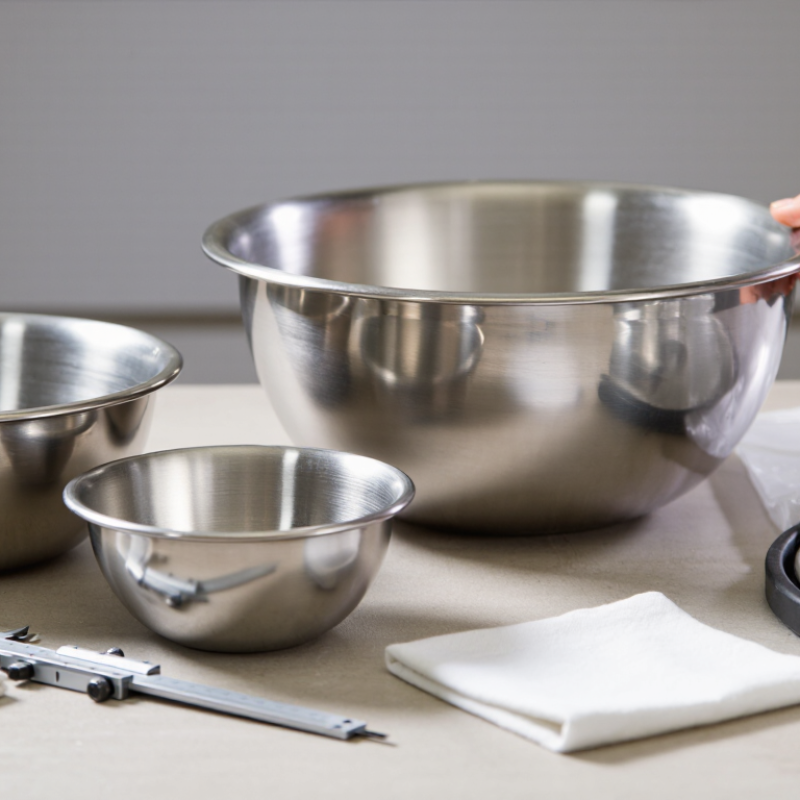
Why Choose Stainless Steel Basin Bowl for Global Buyers?

What Is a Stainless Steel Basin Bowl?

A stainless steel basin bowl is a deep, rounded container formed from stainless steel sheet. It may be pressed, welded, or spun into shape. Common grades include 304 and 316, selected according to moisture, salts, chemicals, and cleaning routines. ASTM A240 provides widely used requirements for stainless steel plate and sheet. However, the standard does not automatically guarantee a perfect basin design. Thickness, edge finishing, weld quality, and drainage details still require inspection.

The material contains chromium, which creates a passive surface layer that helps resist corrosion. It is smooth, non-porous, and easy to clean when properly finished. The World Stainless Association reported roughly 58 million tonnes of stainless steel production in 2023, showing its broad industrial relevance. That scale supports global availability and replacement flexibility. Yet “stainless” does not mean stain-proof. Chlorides, trapped water, abrasive cleaners, and poor drying can leave marks or cause localized corrosion. Buyers should request grade certificates, material thickness, surface finish, load capacity, and test details. ISO 9227 salt-spray testing can offer useful corrosion information, although it cannot fully reproduce every basin’s real environment. A practical weakness remains: some suppliers describe a bowl as 304 stainless steel without clarifying weld materials or surface treatment. Careful questions matter. Small specifications prevent expensive surprises.

Which Features Make Stainless Steel Basin Bowls Reliable?

Stainless steel basin bowls are reliable because they tolerate water, daily handling, and repeated cleaning. In procurement inspections, buyers should check the steel grade, wall thickness, weld quality, and rim finish. A smooth, rounded rim feels safer and collects less residue. A stable base also reduces movement on wet countertops.

The International Stainless Steel Forum’s Stainless Steel in Figures 2024 reported 58.4 million tonnes of global crude stainless steel production in 2023. This scale supports stable supply and established processing expertise.

Grade 304 suits many indoor applications, while grade 316 offers stronger resistance in chloride-rich environments. It matters near coastal areas. NSF/ANSI 51 also provides recognized hygiene requirements for food equipment materials and finishes.

However, stainless steel is not maintenance-free. Harsh chlorine cleaners, trapped salt, and poor welding can still create stains or corrosion. A bright polish may hide weak fabrication. Buyers should request material certificates and inspect welds under direct light.

This small step is often skipped. That is a mistake.

The ISSF also identifies stainless steel as a durable, recyclable material, but recycling depends on proper collection and separation. Reliable bowls therefore require more than attractive metal; they need verified grade, sound construction, practical drainage, and cleaning instructions suited to the installation environment.

How Do Stainless Steel Basin Bowls Meet Global Standards?

Global buyers often evaluate stainless steel basin bowls through safety, durability, and documented compliance. A polished surface looks convincing, but appearance alone proves little. The steel grade, thickness, weld quality, and intended use must match the purchasing market.

Common grades such as 304 and 316 offer strong corrosion resistance, but neither grade guarantees compliance by itself. Buyers should review material certificates, composition reports, and applicable standards, such as ASTM or EN requirements. Food-contact applications may require additional migration or hygiene evidence. Bathroom and utility basins can follow different rules. This difference is easy to miss.

From practical supplier inspections, I check the bowl’s rim, drain opening, underside, and welded joints. Sharp edges can cause injuries. Uneven polishing may trap dirt around the drain. A simple water-leak test can reveal poor joining, while thickness checks help confirm structural consistency. Surface testing also matters, especially where humidity, salt, or cleaning chemicals are common. Salt-spray results provide useful clues, but they do not represent every real installation.

Reliable suppliers should provide batch traceability, inspection records, and clear product specifications. Packaging needs protection too. A scratched bowl may fail a buyer’s quality inspection before installation. Requirements differ between countries, and certificates may not transfer automatically across jurisdictions. Some purchasing teams still treat a bright finish as proof of quality. That assumption deserves reconsideration. Practical testing, accurate documents, and honest communication create stronger evidence of global readiness.

Why Choose Stainless Steel Basin Bowls for Global Buyers?

How do stainless steel basin bowls meet global material standards?

Stainless steel grades commonly used for basin bowls are selected for corrosion resistance, durability, hygiene, and compatibility with international manufacturing requirements. The chart compares the minimum chromium and nickel content specified for widely used grades under ASTM A240 chemical composition ranges. Chromium supports corrosion resistance, while nickel improves formability and resistance in demanding environments. Grade 430 contains little or no nickel but still provides a chromium-based stainless steel option for many applications.

Reference basis: ASTM A240 composition ranges for wrought stainless steel plate, sheet, and strip. Actual product compliance also depends on forming, welding, surface finishing, hygiene requirements, and applicable destination-market regulations.

What Applications Suit Stainless Steel Basin Bowls Best?

Stainless steel basin bowls suit busy spaces where hygiene, durability, and easy cleaning matter. In commercial kitchens, staff use them for washing vegetables, mixing ingredients, and holding prepared food. Their smooth surfaces resist odors and usually clean faster than porous materials. Rounded inner corners also reduce trapped residue, although poor welding can create difficult seams.

These bowls work well in hospitals, clinics, and care facilities for general washing and controlled preparation tasks. However, healthcare buyers should confirm the required steel grade, surface finish, and cleaning procedure.

Grade 304 fits many indoor environments, while grade 316 offers stronger resistance in salty or chemically demanding conditions. A qualified supplier should provide material details, thickness, and dimensional tolerances.

In washrooms, utility rooms, and janitorial areas, basin bowls handle frequent handwashing, tool rinsing, and light-duty cleaning. They are also practical for food trucks, outdoor kitchens, workshops, and temporary workstations. Choose deeper bowls for soaking and wider bowls for large containers. Check the drain position before installation. A beautiful basin can still perform poorly if water collects around the outlet.

Stainless steel is not flawless. It can scratch, show fingerprints, or develop discoloration from harsh cleaners. Regular inspection helps identify loose fittings and damaged seals early. Buyers should match the bowl with its environment, expected workload, and local installation requirements. Surface appearance matters, but daily maintenance matters more.

How Should Global Buyers Evaluate Suppliers and Costs?

Why Choose Stainless Steel Basin Bowl for Global Buyers?

Global buyers should evaluate suppliers beyond the quoted unit price. The International Stainless Steel Forum reported global stainless steel crude production of about 58.4 million tonnes in 2023. This scale supports broad material availability, but it also creates quality differences between factories. Confirm the steel grade, thickness tolerance, surface finish, welding quality, and drainage design. A 304 basin may suit many indoor applications, while 316 offers stronger resistance in coastal or chemical environments. Request mill certificates, inspection photos, and sample measurements before signing a large order. Evidence matters more than attractive catalog language.

Calculate the landed cost carefully. Include tooling, packaging, inland transport, ocean freight, customs charges, and possible rework. The World Steel Association reported nearly 1.9 billion tonnes of crude steel production in 2023, reminding buyers that raw material prices can shift with global demand. However, stainless steel pricing does not explain every quotation gap. Labor, polishing time, rejection rates, and factory capacity also influence cost. The cheapest quote misleads. A slightly higher price may reduce replacement risks, but this should be proven through samples and inspection records.

Tips: Compare three suppliers using the same drawing and specifications. Ask for a complete cost sheet. Check whether packaging protects polished edges during a long sea journey. Use third-party inspection for the first shipment. Do not rely only on certificates; verify batch numbers and test results. I would also review the supplier again after delivery, because one successful sample does not guarantee stable production.

FAQS

What is a stainless steel basin bowl?

It is a deep, rounded container made from stainless steel sheet. It may be pressed, welded, or spun into shape. Its quality depends on thickness, edges, welds, and drainage. Metal alone is not enough.

Which stainless steel grades are commonly used?

Grade 304 suits many indoor bathrooms and utility areas. Grade 316 offers stronger resistance in salty or chloride-rich environments. Neither grade guarantees perfect performance. The installation environment matters.

Does stainless steel resist every stain and corrosion problem?

No. Chlorides, trapped water, harsh cleaners, and poor drying can cause marks. Localized corrosion may appear near welds or drain openings. Dry the bowl after cleaning. That detail is often ignored.

What physical features make a basin bowl reliable?

Check the wall thickness, stable base, rounded rim, and smooth drain area. A rounded rim feels safer and collects less residue. A firm base reduces movement on wet counters. Small details matter.

How can buyers inspect a basin bowl before purchase?

Request the material grade, thickness, surface finish, load capacity, and test records. Inspect welded joints under direct light. Run a simple water-leak test around the drain. Look underneath, too.

Do polished surfaces prove good quality?

No. A bright finish can hide uneven welding or weak fabrication. Check the rim, underside, drain opening, and joining areas. Appearance is only one clue. I would not rely on shine alone.

What documents should a responsible supplier provide?

Ask for material certificates, composition reports, batch traceability, and inspection records. Cleaning instructions should match the installation environment. Packaging should protect the bowl from scratches. Documents need checking.

Do international standards guarantee a perfect basin bowl?

No. Standards can describe material, hygiene, or testing requirements. They do not automatically confirm ideal thickness, drainage, or workmanship. Requirements may differ between countries. Certificates may not transfer automatically. That deserves careful review.

Conclusion

A Stainless Steel Basin Bowl is a versatile container designed for washing, cleaning, food preparation, medical use, and other everyday tasks. Made from corrosion-resistant stainless steel, it offers a strong balance of durability, hygiene, heat tolerance, and easy maintenance. Its smooth, non-porous surface helps reduce residue buildup, while its lightweight yet sturdy construction supports repeated handling in homes, hotels, restaurants, healthcare facilities, workshops, and commercial environments.

For global buyers, product reliability depends on material grade, wall thickness, shaping quality, edge safety, surface finish, capacity, and resistance to rust or deformation. Buyers should also confirm that production and testing meet applicable international safety, hygiene, packaging, and environmental requirements. When evaluating suppliers and costs, it is important to compare specifications, quality-control procedures, customization options, order quantities, lead times, packaging protection, and total delivery expenses rather than focusing only on unit price. A dependable supplier should provide clear documentation, consistent quality, and responsive communication.

Aria

Aria

Aria is a dedicated marketing professional with a deep passion for innovative strategies and a keen understanding of our company's product offerings. With a wealth of experience in the industry, Aria excels at crafting engaging content that highlights the unique features and benefits of our......