In the culinary world, "Stainless Steel Soup Bowls" have gained immense popularity among home cooks and professional chefs alike. Renowned kitchenware expert, Linda Kauffman, emphasizes, “Stainless steel offers durability and versatility in any kitchen setting.” This statement reflects the growing appreciation for these bowls, especially given their ability to maintain temperature and resist rust.
Many buyers seek quality and functionality when selecting their kitchen tools. Stainless steel bowls meet these needs while ensuring longevity. They come in various sizes, ideal for any soup preparation. Interestingly, while most people appreciate their properties, some are unaware of how to choose the right one. Factors like thickness, size, and brand reputation are crucial but often overlooked.
In exploring the top 10 stainless steel soup bowls available, we aim to shed light on quality choices for global buyers. These bowls not only enhance presentation but also improve the cooking experience. With the right information, buyers can reflect on their needs and find a bowl that fits their culinary lifestyle.
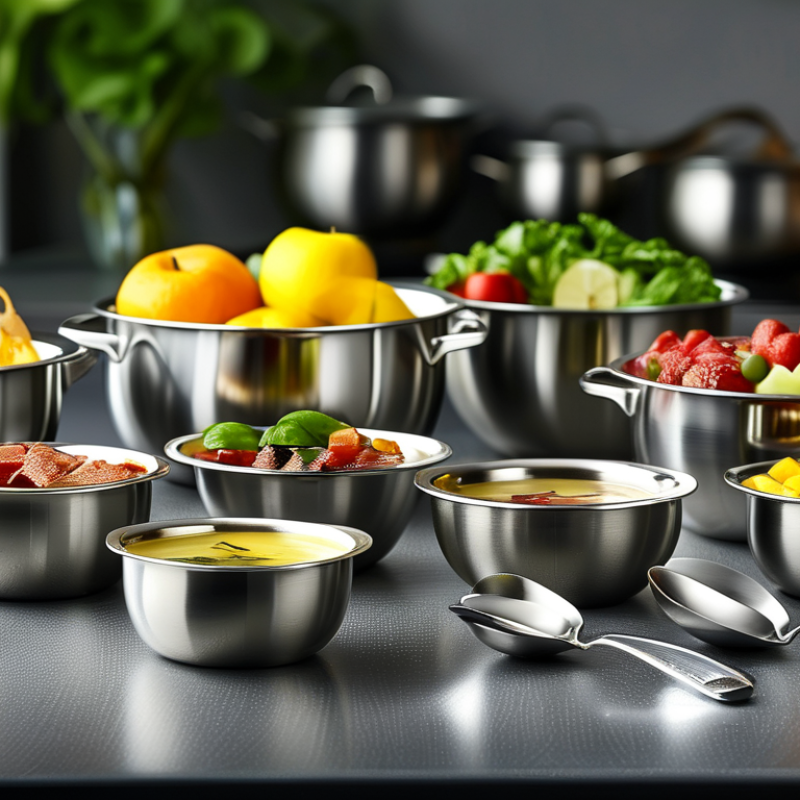
Top 10 Stainless Steel Soup Bowls: An Overview of Global Options
When it comes to choosing the right stainless steel soup bowls, various factors come into play. The material's durability is a major benefit. Stainless steel resists corrosion and rust, making it ideal for long-term use in any kitchen. Moreover, these bowls can withstand high temperatures, ensuring your soup stays hot for longer periods.
Many global buyers consider design and functionality equally important. A well-designed bowl features a comfortable grip and a balanced weight. Some bowls come with lids, offering additional convenience for storage. While most bowls excel in performance, not all are aesthetically pleasing. You may find some designs lacking an appealing finish or an ergonomic edge.
Moreover, global options vary widely in quality. While many manufacturers prioritize safety, others may cut corners. Proceed with caution when selecting your bowl. Reading reviews from multiple sources can offer insights into their reliability. In a world where aesthetic and utility coexist in kitchenware, finding the ideal stainless steel soup bowl requires careful thought.
Key Features to Consider When Choosing Stainless Steel Soup Bowls
When selecting stainless steel soup bowls, several critical features deserve attention. A significant aspect is the bowl's gauge. Bowls made from heavier gauge steel, typically around 18/8 or 18/10, offer better durability and resistance to dents. The weight of the bowl affects handling and heat retention. According to industry reports, heavier bowls retain heat longer, keeping your soup warm.
Next, consider the finish of the bowl. A brushed finish not only adds aesthetic value but also minimizes scratches, which can harbor bacteria. Reports indicate that bowls with a polished finish are more prone to scratching. This could compromise hygiene over time. The depth and diameter are also important. Deeper bowls help reduce splashing, while wider bowls are easier to spoon from.
Moreover, check for insulation properties. Vacuum-sealed bowls maintain temperature for longer periods. Many consumers overlook this feature, which is essential for maintaining your soup's quality. Finally, ensure the bowls are dishwasher-safe for easy cleaning. Balancing these features can be challenging, yet it's vital for optimal use. Qualitative insights reveal some bowls still show wear over time, even with proper care.
Comparative Analysis of Popular Brands in the Market
When comparing popular stainless steel soup bowls, several factors come into play. Material composition is crucial; high-grade stainless steel offers durability and resistance to staining and rust. According to industry reports, the global stainless steel market is predicted to grow significantly, driven by consumer preference for sustainable materials. This trend suggests that more buyers are investing in long-lasting products.
A comparative analysis of the bowls reveals differences in design and functionality. Some models boast a double-wall construction for insulation, which keeps soups hot while being comfortable to hold. However, many buyers overlook weight considerations. Heavier bowls may feel solid but can be cumbersome for daily use.
Tip: Always consider the bowl's finish. A brushed surface may hide scratches better than a polished finish. Additionally, check for any sharp edges, which can lead to discomfort during usage. A thoughtful purchase can enhance your dining experience.
User Reviews and Ratings: What Buyers Are Saying
User reviews often paint a vivid picture of what buyers think about stainless steel soup bowls. Many users appreciate their durability and resistance to rust. One reviewer noted how their bowl survived multiple drops without a dent.
Another user highlighted the ease of cleaning, stating that even tough stains washed off with minimal effort. This practical feedback showcases the functionality many buyers seek.
However, not all reviews are positive. Some users expressed concerns about the bowls' weight. A few found them heavier than expected, making them less ideal for children. Additionally, a couple of reviewers mentioned scratches appearing after several uses. These issues point to a need for better materials or finishes.
Despite these drawbacks, many buyers emphasize the bowls' design. Aesthetic appeal is a significant factor for many. Customers loved how the sleek look fits into modern kitchens. The positive comments often outnumber the negative, reflecting a general satisfaction with the purchase. Overall, feedback from users reveals a blend of appreciation and constructive criticism, guiding new buyers in their decision-making.
Care and Maintenance Tips for Long-lasting Stainless Steel Bowls
When it comes to stainless steel soup bowls, proper care is essential to ensure their longevity and performance. These bowls offer durability and resistance to rust and stains, but neglect can lead to scratches and discoloration. Follow these care tips to maintain your bowls effectively.
Keep your stainless steel bowls clean by washing them with warm, soapy water after each use. Avoid harsh chemicals that can damage the finish. For stubborn stains, a paste of baking soda and water works wonders. This gentle abrasive won't scratch the surface and helps restore shine.
Store the bowls in a dry place to prevent moisture accumulation. Excess humidity can cause spotting. Stack the bowls with care, placing a cloth or paper towel between them to avoid scratches. Regular inspection for dents or warping is helpful. If damage occurs, it may affect their functionality.
Consider checking for the best practices in maintenance regularly. Over time, small scratches can appear. Don't be discouraged, as they are often a sign of usage. Embrace the character your bowls gain from loving care. Through attention, your stainless steel soup bowls can last for years, providing a reliable kitchen staple.
FAQS
: Stainless steel bowls resist rust and corrosion. They also withstand high temperatures, keeping your soup hot longer.
Heavier gauge steel, like 18/8 or 18/10, offers better durability and dent resistance. It affects heat retention too.
A brushed finish minimizes scratches and bacteria risk. Polished finishes can scratch easily, risking hygiene over time.
Consider insulation properties to maintain temperature. Check for depth and diameter to reduce splashing and make eating easier.
Wash with warm, soapy water after use. Avoid harsh chemicals to protect the finish and use baking soda for tough stains.
Yes, but stack them carefully. Use a cloth between bowls to avoid scratches and ensure they stay in good condition.
Small scratches are normal with use. They add character and won't significantly affect functionality if cared for properly.
Regular inspections help catch dents or warping early. This ensures they remain functional and safe for use in the kitchen.
Conclusion
In the quest for the best kitchenware, stainless steel soup bowls stand out as a durable and versatile choice for global buyers. This article provides a comprehensive overview of the top 10 stainless steel soup bowls, highlighting their key features such as resistance to rust and ease of cleaning. Choosing the right bowl involves considering factors like size, weight, and insulation properties, ensuring optimal use for various culinary needs.
Additionally, the article offers a comparative analysis of popular brands available in the market, shedding light on user reviews and ratings to reflect what buyers truly value in stainless steel soup bowls. To maintain their longevity, practical care and maintenance tips are included, emphasizing the importance of proper usage to enhance the lifespan of these essential kitchen items.

 Jinrenkang Hardware