Choosing a Stainless Steel Sink Cabinet in 2026 requires more than comparing prices and polished finishes. The right cabinet must handle water, cleaning chemicals, heavy cookware, and daily opening and closing. Its design should also suit your kitchen layout, plumbing position, and storage habits.
Material quality matters immediately. Look for clearly identified stainless steel grades, such as 304 stainless steel for common kitchen use. In coastal or highly humid areas, 316 steel may offer better corrosion resistance. Check the sheet thickness, welded joints, door alignment, adjustable feet, and drainage openings. Thin panels can flex under pressure. Poor welds may collect grime.
Small details become visible every morning.
Practical testing is equally important. Open the doors fully and inspect the hinges, shelf supports, and rear service space. A cabinet that looks elegant in a showroom may frustrate you when a trap leaks underneath. Moisture-resistant backing, sealed edges, and removable access panels can simplify maintenance. Confirm measurements with your sink, countertop, waste pipe, and water lines before ordering. Standards and manufacturer instructions should guide the final decision, not attractive photographs alone.
No choice is perfect. Some durable models cost more, while budget options may sacrifice sound insulation or finish consistency. This guide examines those trade-offs honestly, using material knowledge, installation concerns, and real household use. It also questions popular features that may sound useful but add little value. By comparing construction, hygiene, storage, maintenance, and long-term reliability, you can select a cabinet that performs well beyond its first impressive appearance.
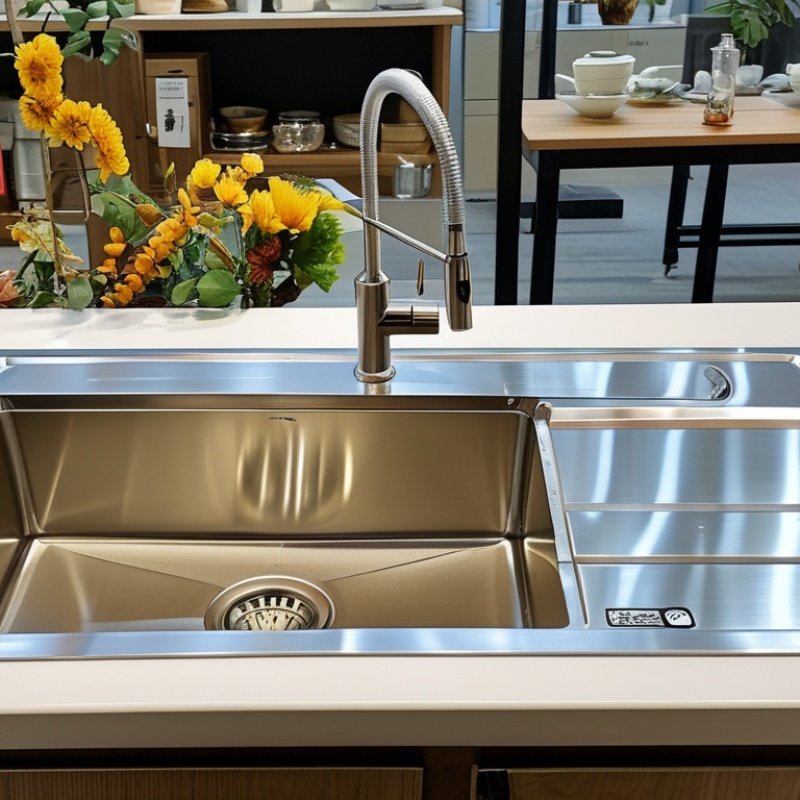
A stainless steel sink cabinet combines a sink, supporting frame, plumbing space, and enclosed storage. It is more than a metal box. In daily use, it becomes the kitchen’s wet-zone workbench. Water, soap, food scraps, and heavy cookware all meet there. Stainless steel resists rust and absorbs less moisture than many wood-based materials. However, it is not completely stain-proof. Salty water, harsh cleaners, and trapped debris can still damage its surface.
A reliable cabinet should have clearly stated steel specifications, smooth welded corners, and doors that close evenly. Grade 304 stainless steel is commonly selected for indoor kitchens because it offers useful corrosion resistance. Thicker panels usually feel steadier, but thickness alone does not prove quality. Check the underside, hinge mounting, drain opening, and adjustable feet. These details reveal how the cabinet may perform after years of cleaning and plumbing repairs.
I once focused too much on appearance. That choice was not perfect. A glossy finish showed every water mark, while a brushed surface hid small scratches better. Measure the cabinet with the sink, waste pipe, backsplash, and door swing included. Leave room for ventilation and future access. A cabinet that looks compact in a showroom may feel cramped beneath a real sink. Choose storage around your actual habits, not an imagined perfect kitchen.
A stainless steel sink cabinet combines a corrosion-resistant sink with a metal storage cabinet designed for wet areas. The stainless steel grade affects durability, stain resistance, and long-term maintenance.
How to use this chart: Grade 304 is a practical general-purpose choice for most kitchens. Grade 316 contains molybdenum in addition to chromium and nickel, making it more suitable for coastal or high-chloride environments. Grade 430 contains little or no nickel and can be a budget-oriented option, but it generally offers lower corrosion resistance than 304 or 316. Always check the steel grade, sheet thickness, welded joints, surface finish, drainage design, and cabinet ventilation before choosing a sink cabinet.
Composition ranges shown are nominal ranges commonly specified for ASTM A240 and EN 10088 stainless steel grades; actual product certifications should be checked before purchase.
A stainless steel sink cabinet should match your kitchen’s measurements, workflow, and plumbing position. Measure the wall, cabinet opening, and available depth before choosing a sink. Standard base cabinets often measure about 600 millimeters deep, but older kitchens may differ. Do not trust appearance alone. I have seen attractive cabinets fail because the drainpipe hit the rear panel. Leave space for valves, filters, and routine maintenance. A cabinet with removable panels makes future repairs easier.
Match the sink style to your cabinet structure. An undermount sink creates a clean counter line and suits modern layouts. It needs accurate countertop support and careful sealing. A top-mount sink is easier to replace and works well during renovations. Apron-front sinks add character, but they require a special cabinet opening and may reduce drawer space. For a compact kitchen, a single deep bowl can improve washing space. However, it may limit separation between clean and dirty dishes. Consider the work triangle, too. The sink should sit comfortably between preparation and cooking areas, without blocking a doorway or dishwasher.
Tips: Measure twice. Check door swings. Mock up the sink with cardboard first. Keep at least a small landing area beside the bowl. A slightly larger cabinet may seem safer, but it can steal valuable walking space. Local installation guidance should confirm clearances, support, and plumbing requirements.
How to Choose a Stainless Steel Sink Cabinet in 2026?
Stainless steel grade affects corrosion resistance, strength, and long-term cleaning. Grade 304 remains a dependable choice for most kitchens. It contains chromium and nickel, helping it resist moisture, food acids, and everyday stains. Grade 316 performs better near coastal air or heavy salt exposure. Its added molybdenum offers stronger chloride resistance, but the higher cost may not suit every home. Grade 430 is more affordable, though it generally needs better moisture control.
Thickness matters too. A thicker panel can reduce vibration when water hits the sink. However, thickness alone does not guarantee quality. Check welds, corner joints, drawer runners, and the cabinet’s underside. Thin, poorly finished seams may collect water and dirt. They can also develop rust staining around fasteners.
Finish changes daily performance. Brushed or satin surfaces hide fingerprints and small scratches better than mirror-polished steel. They feel practical under frequent use. Polished finishes reflect more light, but they show water spots quickly. Embossed textures can disguise wear, although cleaning their fine patterns takes more time. Avoid assuming any finish is maintenance-free. Even premium steel can stain when chlorine residue, iron particles, or standing water remain on the surface. Use a soft cloth and mild detergent. Never scrub across the grain. That small habit matters.
A sensible choice balances grade, finish, ventilation, and budget. For most indoor kitchens, 304 stainless steel with a brushed finish offers steady performance. In harsher environments, 316 may justify its price. Still, installation quality can matter more than a specification sheet.
| Material / Finish | Typical Composition or Surface | Corrosion Resistance | Strength and Dent Resistance | Scratch and Stain Visibility | Best Use in a Sink Cabinet | Practical Recommendation |
|---|---|---|---|---|---|---|
| 304 Stainless Steel (18/8 austenitic) |
Approximately 18% chromium and 8% nickel; the most common general-purpose stainless steel for indoor kitchen equipment. | High | Good; improves with thicker sheet and reinforced panels. | Low to moderate visibility with brushed or satin finishes. | Most indoor kitchens, utility rooms, and standard sink-base cabinets. | A balanced choice for price, corrosion resistance, formability, and appearance. |
| 316 Stainless Steel (marine-grade type) |
Contains molybdenum in addition to chromium and nickel, improving resistance to chlorides and harsh chemical exposure. | Very high | Good; thickness and cabinet construction still determine dent resistance. | Similar to 304 for the same finish; surface marks remain possible. | Coastal homes, high-humidity rooms, commercial kitchens, and areas exposed to salt. | Choose when chloride exposure or aggressive cleaning conditions justify the higher material cost. |
| 430 Stainless Steel (ferritic) |
Chromium-containing stainless steel with little or no nickel; magnetic and generally more economical than 304. | Moderate | Good for dry indoor applications; less suitable for persistent moisture or salt exposure. | Finish-dependent; fingerprints can be more noticeable on smooth surfaces. | Dry indoor cabinet panels, decorative fronts, and budget-conscious installations. | Avoid for constantly wet, coastal, or chloride-rich environments unless maintenance is carefully controlled. |
| 201 Stainless Steel (lower-nickel austenitic) |
Uses manganese and nitrogen to reduce nickel content; composition and performance vary by applicable specification. | Moderate to good | Good work-hardening potential; actual performance depends strongly on grade and thickness. | Usually acceptable with a uniform brushed finish. | Dry indoor applications where budget and moderate moisture exposure are priorities. | Request the exact standard and test documentation; do not assume it performs like 304. |
| Brushed Finish (commonly No. 4) |
Directional fine abrasive lines, typically running horizontally or vertically. | Depends on base grade | No major structural effect. | Hides fingerprints and minor marks well. | Cabinet doors, side panels, and high-contact kitchen surfaces. | One of the easiest finishes to maintain; clean in the direction of the grain. |
| Satin Finish | Low- to medium-reflective surface with a fine, relatively uniform texture. | Depends on base grade | No major structural effect. | Good at reducing glare and everyday marks. | Modern cabinet fronts and installations requiring a soft, understated appearance. | A practical all-purpose option when easy cleaning is more important than mirror-like shine. |
| Polished Finish | Smooth, highly reflective surface produced by progressively finer polishing. | Depends on base grade | No major structural effect. | Shows fingerprints, water spots, and fine scratches readily. | Decorative accents and areas where a reflective appearance is desired. | Use only when frequent wiping is acceptable; avoid for heavily handled doors. |
| Embossed or Textured Finish | Patterned or mechanically textured surface that creates a less uniform visual profile. | Depends on base grade | May help disguise minor dents and handling marks; it does not replace structural reinforcement. | Masks light scratches and smudges effectively. | Busy kitchens, service areas, and cabinet panels needing a more forgiving appearance. | Select a pattern that can be cleaned easily because deep texture may retain residue. |
A stainless steel sink cabinet should make daily work easier, not hide problems behind shiny panels. Measure the sink bowl, drain position, wall depth, and available door clearance before choosing a cabinet. Adjustable shelves help store detergents, bins, and spare cloths without wasting vertical space. Removable panels are especially useful when plumbing occupies the center. A cabinet can look spacious but still feel awkward underneath.
Tips: Check storage with the plumbing installed. Leave room around shutoff valves and the trap. Keep cleaning supplies away from leaking connections. Test the doors before final installation.
Plumbing access deserves careful attention. A wide rear opening allows faster inspection and reduces awkward repairs. However, oversized cutouts may weaken the cabinet and expose stored items to moisture. Prefer sealed edges, corrosion-resistant fasteners, and a raised base where floor water is possible. Stainless steel resists rust, but it is not immune to scratches, dents, or poor drainage.
I once chose a cabinet with excellent storage but limited pipe access. The installation looked neat. Maintenance became frustrating.
Installation features can prevent small errors. Leveling feet help compensate for uneven floors and keep doors aligned. Pre-drilled mounting points can simplify wall fixing, yet they must match the actual wall structure. Confirm the cabinet supports the sink’s weight, especially with a full basin. Leave a service gap around electrical or water connections where local requirements demand it. Measure twice. Installation plans are rarely perfect. Allowing extra access space is often wiser than chasing a seamless appearance.
How to Choose a Stainless Steel Sink Cabinet in 2026?
Quality should be judged beyond shiny steel. Look for 304 stainless steel, fully welded seams, rounded internal corners, and adjustable, corrosion-resistant feet. The material usually contains about 18% chromium and 8% nickel, supporting stain resistance. However, thicker metal alone does not guarantee durability. A poorly finished 1.2 mm panel may fail before a carefully welded 0.8 mm panel. Inspect the underside. It should have sealed joints, stable hinges, and no sharp cut edges. The 2024 Houzz U.S. Kitchen Trends Study reported a median major kitchen renovation cost of about $75,000, so replacing a weak cabinet later can become an expensive mistake.
Maintenance needs are equally important. Wipe standing water after use, especially around the drain and wall joints. Avoid chlorine-based cleaners, abrasive pads, and steel wool. These can damage the passive chromium layer and leave rust-like marks. Check the trap and supply lines every few months. Small leaks often hide beneath stored containers. A moisture-resistant backing panel helps, but it is not waterproof. I once trusted that difference too late.
Tips: Choose removable shelves, ventilated doors, and a deep sink with quieting pads. EPA WaterSense guidance limits certified kitchen faucets to 1.8 gallons per minute, compared with older 2.2-gallon models. Lower flow may reduce splash and water use, but pressure still matters. Compare warranty terms, replacement hardware availability, and installation tolerances. Long-term value is practical, not merely visual.
It combines a sink, support frame, plumbing space, and enclosed storage. It becomes the kitchen’s wet-zone workbench. Water, soap, scraps, and cookware meet there.
Stainless steel resists rust and absorbs less moisture than many wood-based materials. It also handles frequent cleaning and heavy cookware. Still, it is not completely stain-proof.
Grade 304 offers dependable corrosion resistance for most indoor kitchens. It handles moisture, food acids, and ordinary stains reasonably well. Grade 316 suits coastal air or heavy salt exposure better. Its higher cost may be unnecessary for some homes.
Thicker panels usually reduce vibration when water hits the sink. However, thickness alone does not prove quality. Inspect welds, corner joints, hinges, runners, and the underside. Small details matter.
Brushed or satin steel hides fingerprints and light scratches better than polished steel. Polished surfaces reflect more light but show water spots quickly. Embossed textures disguise wear, though their fine patterns take longer to clean. I once chose appearance over practicality.
Check the sink opening, drain area, hinge mounts, adjustable feet, and welded corners. Doors should close evenly without rubbing. Poor seams may trap water and dirt. They can develop rust staining around fasteners.
Measure the cabinet with the sink, waste pipe, backsplash, and door swing included. Leave room for ventilation and future plumbing access. A showroom cabinet may feel cramped beneath a real sink. Measure twice.
Use a soft cloth and mild detergent. Wipe with the grain, not across it. Remove salty water, chlorine residue, iron particles, and trapped debris promptly. Standing water causes trouble.
Choosing the right Stainless Steel Sink Cabinet in 2026 requires more than focusing on appearance. Start by understanding how the cabinet supports the sink, protects surrounding surfaces, and fits your kitchen’s workflow. Carefully match its dimensions with the available space, sink style, countertop height, and plumbing layout. Stainless steel grade, thickness, and finish also matter because they influence resistance to corrosion, stains, scratches, and daily wear. A practical finish should complement the kitchen while remaining easy to clean.
Storage capacity and accessibility are equally important. Look for useful interior space, adjustable shelving, easy access to plumbing connections, and installation features that simplify maintenance or future repairs. Finally, evaluate construction quality, door and drawer performance, moisture resistance, cleaning requirements, and expected service life rather than choosing based only on price. A well-selected Stainless Steel Sink Cabinet should combine durability, convenient organization, simple maintenance, and reliable long-term value for everyday kitchen use.

Jinrenkang Hardware