Choosing the right Stainless Steel Floor Sink in 2026 requires more than comparing prices and product photos. In commercial kitchens, food preparation rooms, hospitals, and laundry areas, the sink must handle water, debris, cleaning chemicals, and repeated foot traffic. A useful choice begins with the site, not the catalog.
Measure the floor opening, drainage position, available depth, and surrounding equipment. A sink that looks suitable online may fail when its outlet meets an existing pipe. Consider stainless steel grade, material thickness, weld quality, corner radius, and surface finish. Smooth, rounded corners are easier to clean than sharp internal joints. Check the grate capacity too. Heavy carts can bend a weak grate surprisingly quickly.
Drainage performance matters every day. Look for a practical slope toward the outlet, a removable basket, and a compatible trap or strainer system. Confirm the product’s dimensions and installation requirements with the manufacturer or a qualified installer. Regional plumbing rules and hygiene standards may differ, so certification claims should be verified carefully. Do not rely only on a sales label.
Experience also reveals small problems. A shallow sink may overflow during equipment washing. A poorly finished weld may collect residue. A removable part can disappear during maintenance. These details seem minor until cleaning becomes difficult. Some buyers focus too heavily on appearance, and that is understandable, but durability and service access deserve equal attention. The best selection balances hygiene, drainage, load capacity, installation reality, and long-term maintenance. Even experienced buyers should recheck measurements before ordering. Mistakes happen.
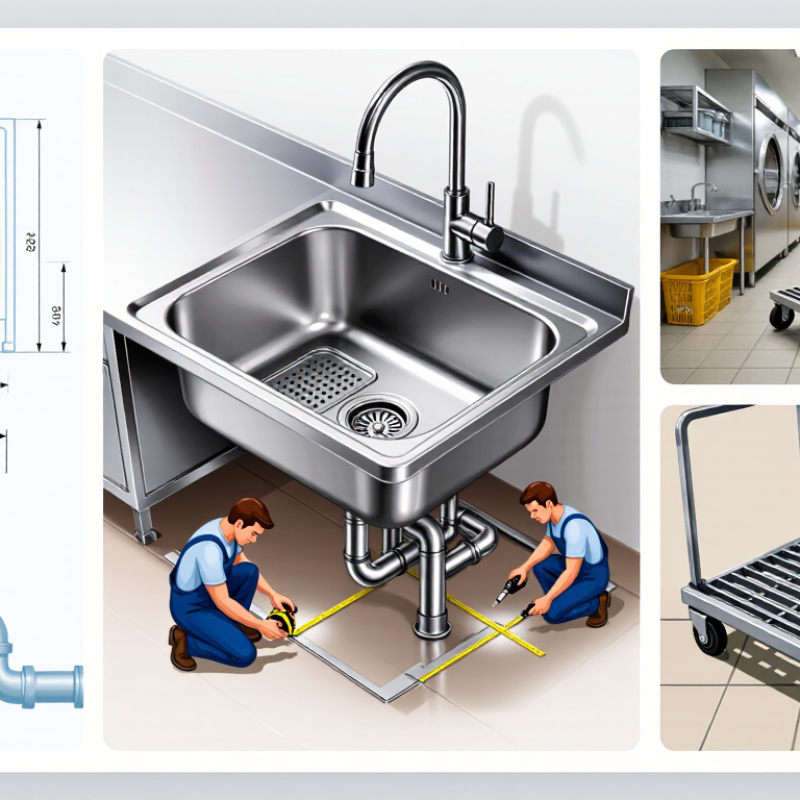
A stainless steel floor sink is a recessed plumbing fixture set into or below a finished floor. It receives indirect wastewater from equipment such as prep sinks, ice machines, and dishwashers. A drain line usually ends above the basin, leaving an air gap that helps reduce backflow risk. Unlike a simple floor drain, the sink has a deeper receptor and often includes a removable grate. It is not decorative. Its job is controlled drainage.
You will commonly find one beneath commercial kitchen equipment, where spilled water, melted ice, and discharge need a clear route. Food preparation rooms, bars, laundries, hospitals, laboratories, and janitorial areas also use them. In a busy kitchen, installers should check the grate height before checking the finish. A raised edge can catch carts and create a cleaning problem. The basin should match expected flow, floor loading, and cleaning chemicals. Small details matter.
When choosing one in 2026, measure the available recess, outlet position, and equipment discharge height. Confirm that the grate can support expected traffic and that the surface resists corrosion. A smooth interior is easier to inspect, although welded corners may still collect residue if poorly finished. Ask a licensed plumbing professional to verify local drainage, air-gap, and accessibility requirements. Product sheets are useful, but they cannot replace a site inspection. A common field mistake is choosing a universal model with an outlet positioned too high. Recheck the slope. That step is easy to skip.
How to Choose a Stainless Steel Floor Sink in 2026?
The stainless steel grade matters more than a polished appearance. Grade 304 suits most kitchens, utility rooms, and indoor commercial areas. It handles moisture, food residue, and routine cleaning well. Grade 316 offers stronger resistance to chlorides, salt, and harsh coastal conditions. Choose it near seawater, brine, or frequent chemical exposure. Grade 430 can fit dry, low-risk areas, but it deserves careful evaluation. I have seen attractive sinks develop rust around welds because the grade was chosen by price alone.
Finish affects cleaning, visibility, and long-term maintenance. A smooth 2B finish is practical inside the basin and limits residue buildup. A brushed finish hides light scratches, but its grain can trap dirt if cleaning follows the wrong direction. Electropolished surfaces are smoother and easier to inspect, although they often cost more. Check the corners, outlet, and welded seams closely. Poor finishing there can undermine an otherwise reliable stainless steel body.
Tips: Ask for the material specification and, when possible, a mill test report. Match the grade to water quality and cleaning chemicals. Choose smooth internal surfaces with rounded corners. Inspect welds for discoloration, pits, or rough edges. Do not assume a brighter finish means better performance.
How to Select the Right Size, Depth, and Drain Configuration?
Choosing a stainless steel floor sink starts with the water it must handle. Measure the fixture discharge, nearby equipment, and expected cleaning flow. A sink serving one mop basin may need less capacity than one beneath a commercial dishwasher. Allow space around the grate for splashing and maintenance. Bigger is not always better.
Depth affects both performance and daily safety. A shallow basin drains quickly and suits light washdown work. A deeper basin can contain sudden discharge, but it may slow cleaning and increase lifting effort. I once assumed deeper always meant safer. That judgment ignored floor slope and worker comfort. Check the finished floor height before ordering.
Drain configuration deserves careful attention. A centered drain can simplify installation on a level floor. An offset drain may work better around joists, pipes, or existing channels. Match the outlet size to the connected drainage system, not just the sink opening. Confirm the trap, grate load rating, and cleanout access with a qualified installer. Local plumbing requirements may also control indirect connections and air gaps. Do not guess here. Request a dimensioned drawing and verify every measurement on site. The wrong drain position can turn a simple replacement into costly concrete work.
Choosing a stainless steel floor sink in 2026 requires more than checking its appearance. Installation details often decide whether it performs reliably.
For food-service areas, verify whether the sink meets NSF/ANSI 2 requirements or the sanitation standard required locally. Confirm the drain assembly follows applicable plumbing codes, such as ASME A112.6.3 where relevant. Your local authority having jurisdiction may require different connections. Ask before purchasing.
Check the outlet size, trap arrangement, cleanout access, and need for a trap primer.
A removable grate helps maintenance, while a load-rated grate suits areas with carts or heavy equipment. The sink should sit level with the finished floor, not below it.
Inspect the flange width, waterproofing compatibility, and slope around the opening.
Stainless steel grade matters. Type 304 suits many indoor kitchens; harsher chemical or salt exposure may justify Type 316.
I would not rely on gauge alone. Weld quality and reinforced corners often matter more.
Tips:
Test the drain with several buckets of water. Watch for pooling. Confirm the grate does not rock. Photograph the waterproofing before covering it. Small oversights become expensive repairs.
I once underestimated floor movement around a drain. The sink worked, but the seal failed later. That mistake made me check substrate stability and expansion joints every time.
A written installation drawing, product test reports, and approval from the installer can prevent uncertain decisions.
How to Choose a Stainless Steel Floor Sink in 2026?
In commercial kitchens, maintenance usually costs more than expected. Compare cleaning access, drainage, and replacement parts before comparing prices. A removable grate should lift without tools. Internal corners should be smooth and easy to rinse. Check the outlet size and trap access, too. A sink that drains slowly can leave greasy water beneath equipment. That smell becomes a daily problem.
Durability depends on steel grade, thickness, weld quality, and installation. Grade 304 suits many indoor food-service areas. Grade 316 may perform better where salt, chemicals, or constant moisture are present. Ask for documented material specifications, weld inspection details, and load ratings. Thin panels can flex under heavy carts. Poorly finished welds may collect soil and begin staining. Small defects matter.
Think beyond the invoice. Add delivery, installation, drainage changes, cleaning labor, and possible replacement costs. A cheaper sink may require frequent scrubbing or early repair. A more robust model can reduce interruptions, but only when installed with the correct slope and support. Verify local plumbing requirements before ordering. In one site review, the sink itself was sound, but the floor had no practical fall toward the drain. That mistake created standing water every evening. No specification could fix it without additional construction. Build a simple five-year estimate, and include the cost of staff time.
Comparison of maintenance needs, expected durability, and relative 10-year ownership cost for common stainless steel grades used in commercial wet areas.
The cost index uses 304 stainless steel as the baseline of 100. Maintenance tasks represent typical annual inspections or minor service actions under comparable commercial use. Expected service life and costs vary with water quality, cleaning chemicals, installation quality, traffic, and local labor rates. 316 stainless steel generally provides better chloride and corrosion resistance, while 430 stainless steel is typically more economical for lower-corrosion environments.
It is a recessed fixture installed in or below a finished floor. It receives indirect wastewater. A removable grate usually covers the basin. It is not decorative.
They are common beneath kitchen equipment, ice machines, and dishwashers. They also serve bars, laundries, hospitals, laboratories, and cleaning areas. Melted ice needs a clear route.
A floor sink has a deeper basin and usually a removable grate. A floor drain is generally shallower. The sink collects discharge from equipment through an air gap.
Measure the recess, outlet position, and discharge height. Check the surrounding floor slope. Confirm the grate height. A raised grate can catch carts.
Type 304 stainless steel suits many indoor kitchens. Type 316 may suit salt or harsh chemical exposure better. Do not judge quality by gauge alone. Welds and reinforced corners matter.
Confirm the outlet size, trap arrangement, cleanout access, and trap-primer needs. Check flange width and waterproofing compatibility. The sink should sit level with the finished floor. Not below it.
Food-service installations may require local sanitation approval. Plumbing connections must follow applicable local codes. Ask the local authority before purchasing. A product sheet cannot replace site inspection.
Test the drain with several buckets of water. Watch for pooling. Confirm the grate does not rock. Photograph waterproofing before covering it.
Installers sometimes choose a universal model with an outlet positioned too high. Floor movement can later damage the seal. I would recheck substrate stability and expansion joints. That step is easy to skip.
Choosing a Stainless Steel Floor Sink in 2026 requires more than comparing appearance and price. First, understand where it will be used, such as commercial kitchens, food preparation areas, utility rooms, healthcare facilities, or other spaces requiring efficient floor-level drainage. Select a suitable stainless steel grade and finish based on exposure to moisture, chemicals, heat, traffic, and cleaning frequency. A smooth, corrosion-resistant surface can improve hygiene and simplify daily maintenance.
Next, match the sink’s size, depth, outlet position, and drain configuration to the available floor space and expected water volume. Check installation features such as adjustable legs, removable grates, reliable waterproof connections, proper slope, and compatibility with local plumbing and safety standards. Finally, compare long-term durability, cleaning requirements, replacement parts, installation costs, and expected service life rather than focusing only on the initial purchase price. The best choice balances performance, sanitation, installation convenience, and total cost for the intended environment.

Jinrenkang Hardware