When selecting the best Stainless Steel Cooking Bowls for your kitchen, expert chef Julia Sparks emphasizes, "Quality makes all the difference in your cooking experience." She highlights the importance of choosing bowls that combine durability and functionality.
Stainless Steel Cooking Bowls offer a variety of advantages. They are not only resistant to rust and stains but also provide excellent heat retention. The right bowl can enhance mixing and marination, making your food preparation more efficient. However, with many options available, it can be challenging to determine which bowls truly meet your needs.
Consider factors like size, depth, and ease of handling. A bowl that is too shallow might spill ingredients, while one that is too deep can make washing more difficult. Reflecting on your cooking style will help in selecting the perfect set. Remember, investing in Stainless Steel Cooking Bowls is about creating a better cooking environment, even if the choices can sometimes feel overwhelming.
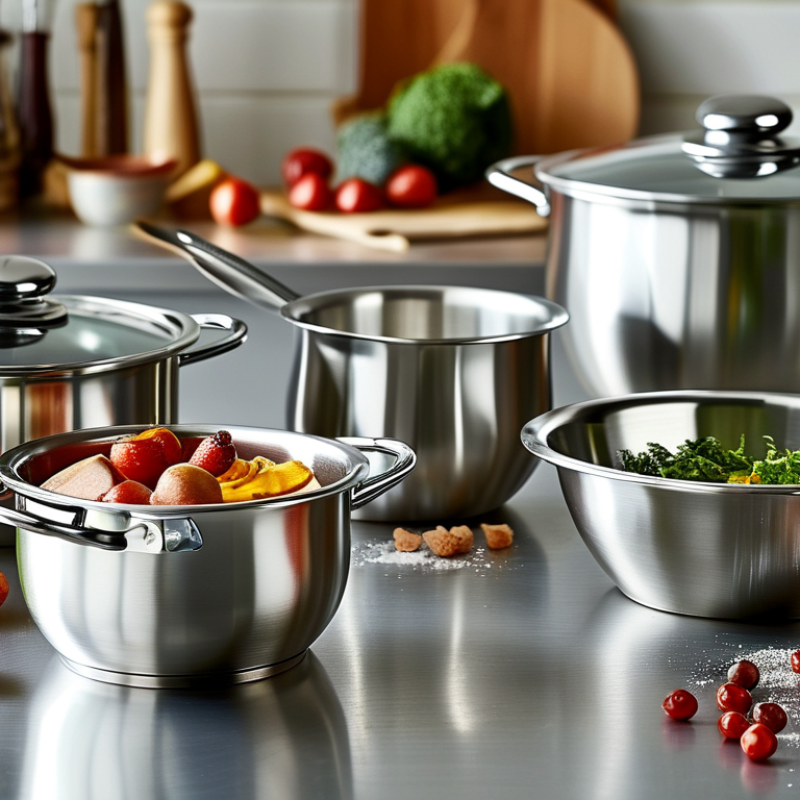
When selecting stainless steel cooking bowls, a few key factors stand out. Size is crucial. Think about your usual cooking quantities. Small bowls may suffice for baking tasks, but larger ones are essential for mixing salads or marinating meats. Consider how much space you have in your kitchen, too. You don’t want bowls that overcrowd your cabinets.
Weight is another important factor. Heavier bowls tend to stay in place during use, which can make mixing easier. However, if they are too heavy, you might struggle to wash or store them. Look for bowls that strike a balance between sturdiness and manageability.
The finish of the stainless steel affects both aesthetics and functionality. High-polished bowls look sleek and are easy to clean. However, they might show fingerprints. Matte finishes, while more forgiving visually, can be more challenging to keep truly clean. Think about how much maintenance you are willing to put in. Over time, the best choice may not be the most glamorous, but the one that meets your daily needs.
When selecting stainless steel cooking bowls, understanding the different grades of stainless steel is crucial. Stainless steel is commonly categorized into four grades: 304, 316, 430, and 201. Each grade has unique properties that impact performance.
Grade 304 is known for its high corrosion resistance and durability, making it ideal for kitchen use. However, it can be more expensive.
Grade 430 is magnetic and less resistant to corrosion, but still robust enough for basic cooking needs. It may not withstand acidic foods well.
Grade 201 offers a good balance between cost and durability but is less resistant to rust than 304. These distinctions matter when choosing bowls that will last.
Choosing the right grade requires considering your cooking habits. If you frequently work with acidic ingredients, investing in higher-grade stainless steel may be wise. On the other hand, opting for a lower grade might suffice for occasional use. Balancing functionality with cost is essential. Finding the sweet spot can be challenging, but it’s worth the effort for a reliable kitchen.
When it comes to choosing stainless steel cooking bowls, bowl size and shape significantly impact kitchen efficiency. A report by the American Culinary Federation suggests that using the right bowl can improve meal prep speed by over 25%. This is vital for chefs and home cooks alike. Large mixing bowls offer more space for combining ingredients. Smaller bowls are perfect for preparation and sauces.
Consider how bowl shape affects your cooking experience. For instance, deeper bowls are excellent for tossing salads or mixing batter, reducing the chances of spills. A study from the International Journal of Food Science shows that shallow bowls are better for marinating, as they increase surface area exposure. Using a varied bowl collection allows for versatility in cooking tasks.
It's essential to reflect on your cooking habits. If you frequently bake, prioritize medium to large bowls. For those who enjoy prepping ingredients, smaller, nested bowls can save time and space. Each cook's needs can differ, making it crucial to assess what works best for your kitchen dynamics. A well-organized selection of stainless steel bowls caters to various culinary tasks, leading to a more efficient cooking process.
When choosing stainless steel cooking bowls, durability and longevity are critical factors. Stainless steel offers resistance to rust, corrosion, and staining. A quality stainless steel bowl should last for years with proper care. According to a study conducted by the American Society of Testing and Materials, 300 series stainless steel is renowned for its strength and resistance to wear. This type contains at least 18% chromium and 8% nickel, providing added durability.
It’s important to recognize that not all stainless steel bowls are created equal. Some may show signs of wear after frequent use. Look for bowls that have a thicker gauge. A thicker gauge often means more resistance to dings and dents. Reports suggest that bowls with a gauge of 18-10 or lower may provide better longevity. Also, consider the bowl's finish. Polished surfaces tend to resist scratches and are easier to clean.
Caring for stainless steel bowls plays a significant role in their lifespan. While they are dishwasher-safe, handwashing can prevent potential damage. Over time, harsh detergents can dull the surface. Even the most robust bowls may lose their shine if not properly maintained. Remember, the goal is to choose bowls that will withstand the wear of daily cooking, yet also require mindful care to ensure they remain functional and aesthetically pleasing.
Maintaining stainless steel cooking bowls can prolong their life and keep them looking pristine. After each use, wash the bowls with warm soapy water. Avoid abrasive pads, as they can scratch the surface. Instead, opt for a soft sponge. For tough stains, a mixture of baking soda and water can work wonders. Rinse thoroughly and dry immediately to prevent water spots.
Stainless steel is resistant to rust, but that doesn't mean it's invincible. Occasionally, check the bowls for any signs of corrosion. If noticed, polish them with a dedicated stainless steel cleaner. This helps restore shine. Store bowls in a cool, dry place, allowing airflow to avoid moisture accumulation.
Keep in mind that while stainless steel doesn’t retain odors, food residues can sometimes cling on. A thorough wash helps prevent this. Consider using a light coat of cooking oil on the surface to help food slide off easily next time. Every kitchen setup is unique, so adjust the care routine based on your usage frequency and types of food prepared. It's a learning process!
: Size is crucial. Think about cooking quantities and available cabinet space.
Heavier bowls stay in place while mixing. Balance is needed for ease of use.
High-polished bowls are sleek but show fingerprints. Matte finishes hide smudges better.
Common grades include 304, 316, 430, and 201, each with different properties.
Grade 304 is ideal due to high corrosion resistance. It lasts longer with acidic ingredients.
Wash with warm soapy water and a soft sponge. Avoid abrasive pads to prevent scratches.
They resist rust, but check for corrosion occasionally. Polish with a dedicated cleaner if needed.
A thorough wash is key. A light coat of cooking oil helps food slide off easily.
Store in a cool, dry place. Allow airflow to prevent moisture accumulation.
Adjust based on usage frequency. It’s a learning process that requires some attention.
When selecting the best stainless steel cooking bowls for your kitchen, several factors come into play. It is essential to consider the types of stainless steel used, as different grades impact the bowls' functionality and durability. Bowl size and shape also contribute significantly to kitchen efficiency, allowing for easier food preparation and storage.
Moreover, evaluating the durability and longevity of stainless steel cooking bowls ensures that they withstand the rigors of daily use in the kitchen. To maximize the lifespan of these bowls, proper maintenance and care are key, including regular cleaning and avoiding harsh chemicals. By understanding these aspects, you can choose stainless steel cooking bowls that will serve you well for years to come.

Jinrenkang Hardware