2026 Best Stainless Steel Snack Bowls for Global Buyers

Time:2026-10-24 Author:Liam
0%

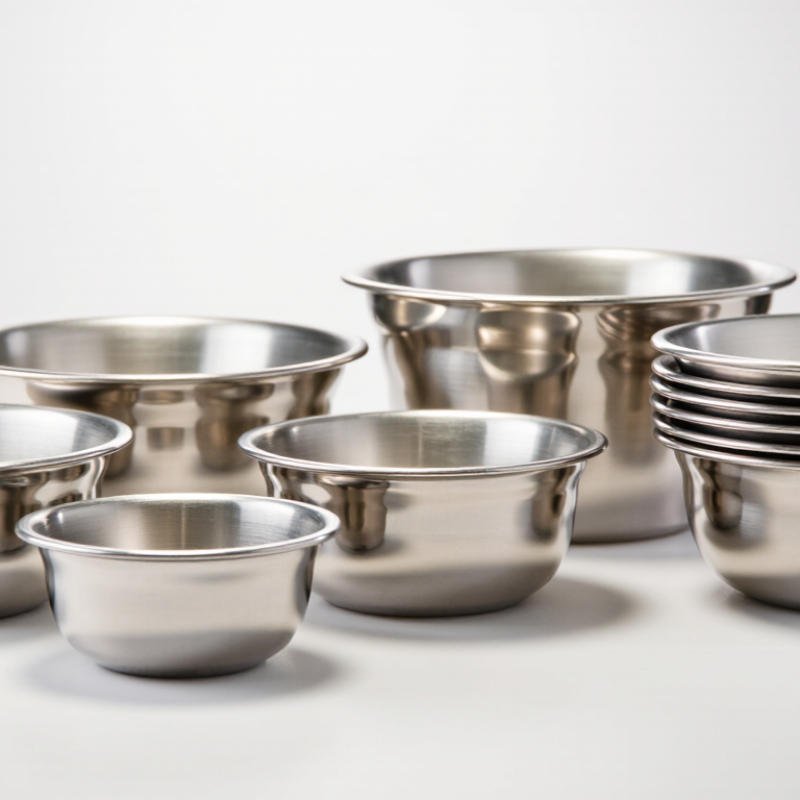
The 2026 Best Stainless Steel Snack Bowls for Global Buyers guide examines how material quality, design, and supplier reliability shape purchasing decisions. Buyers need more than attractive photos. They need bowls that feel stable, resist dents, and remain easy to clean after repeated use. A polished surface should reflect light evenly, without rough seams or sharp edges. The rim matters too. A rolled edge feels smoother in a child’s hand and reduces discomfort during everyday serving.

Dr. Jonathan E. Hall, a food-contact materials specialist, states, “A safe bowl begins with the material, but performance depends on the whole design.” This practical view supports a wider evaluation of Stainless Steel Snack Bowls. We consider stainless steel grades, thickness, weld quality, nesting efficiency, packaging, and production consistency. Grade 304 remains a common choice for food-contact applications, while grade 316 may suit more demanding environments. However, grade labels alone cannot prove good performance. Manufacturing control matters.

Small details often decide large orders. A bowl that stacks unevenly wastes warehouse space. A loose lid creates problems during transport. A poorly protected surface may arrive with scratches. These issues seem minor. They are not.

This guide compares options for retailers, hospitality suppliers, distributors, and household brands across different markets. It also considers customization, sampling, minimum order quantities, and communication with factories. No bowl is perfect. Our recommendations have limits, especially when supplier data remains incomplete. Still, careful comparison can reduce costly surprises and support more confident global purchasing decisions.
2026 Best Stainless Steel Snack Bowls for Global Buyers

What Makes a Stainless Steel Snack Bowl the Best Choice in 2026

For global buyers, the best stainless steel snack bowl must balance safety, durability, and everyday comfort. It should resist rust, staining, and food odors after repeated washing. A smooth interior also prevents crumbs from settling into tiny scratches. In product inspections, I look for food-contact documentation, consistent wall thickness, and clean welds. The common 18/8 stainless steel grade offers good corrosion resistance for most snack-serving uses. However, buyers should verify the exact grade and testing records before placing large orders. Supplier claims alone are not enough. Small details matter.

A rolled rim feels comfortable against the lips and reduces sharp-edge risks. A stable base helps the bowl stay firm on a busy kitchen table. For export orders, nesting ability can reduce carton volume and shipping costs. Stainless steel handles warm snacks without absorbing oil or strong smells. That does not mean every bowl is perfect. Thin metal may dent easily, while an overly heavy bowl increases freight weight. Dishwasher guidance should be clear, especially for products with polished or coated surfaces. I have seen attractive bowls lose their finish because cleaning instructions were ignored. Some buyers also overlook packaging, even though poor protection can cause scratches before delivery. A practical bowl needs dependable manufacturing, clear specifications, and honest quality checks.

Stainless Steel Grades, Food Safety, and Manufacturing Quality

Choosing stainless steel snack bowls requires more than comparing shine and price. The steel grade affects corrosion resistance, durability, and food-contact performance. Grade 304 is a practical choice for everyday snacks, fruit, and dry foods. Grade 316 offers stronger resistance in salty or acidic environments, but usually costs more. Grade 430 can suit budget applications, although it may resist corrosion less effectively.

Food safety starts with traceable materials. Ask suppliers for mill certificates, composition reports, and food-contact test records. The bowl should have a smooth interior, rounded edges, and no deep scratches around the rim. These details reduce residue buildup and make cleaning easier. Small details matter.

Manufacturing quality appears during inspection. Check wall thickness at several points, because uneven metal can weaken the bowl. Look for stable stacking, consistent polishing, and a firmly formed base. Welded parts deserve close attention; rough seams may trap moisture or food particles. In factory checks, a clean appearance sometimes creates false confidence. A bright surface can hide poor forming or thin material. Buyers should combine visual inspection with hardness, corrosion, dimensional, and surface-finish tests. Packaging also matters. Separators should prevent bowl-to-bowl friction during long-distance shipping. Requirements differ by destination, so reliable suppliers should provide current documentation and accept independent pre-shipment inspection.

How to Compare Bowl Sizes, Shapes, Capacities, and Features

2026 Best Stainless Steel Snack Bowls for Global Buyers

How to Compare Bowl Sizes, Shapes, Capacities, and Features

Choosing a snack bowl starts with its real use, not its appearance. For nuts, 300–500 ml usually fits one serving without crowding. Larger 700–1,000 ml bowls suit shared snacks or buffet service. Always compare internal capacity, because outer measurements can be misleading. A thick rim may reduce usable space.

Shape affects handling and presentation. Round bowls are easy to clean and stack evenly. Square bowls use shelf space efficiently but may retain crumbs in their corners. Divided bowls separate salty snacks, dried fruit, or sauces. This looks practical, though partitions can make washing slower. Measure the base diameter before ordering. It must fit trays, shelves, or cup holders.

Features should match the buyer’s supply chain.

A rolled rim improves comfort and reduces sharp edges. A weighted or silicone-coated base can prevent sliding on polished tables. Nesting designs lower carton volume and shipping costs. Check steel grade, wall thickness, surface finish, and food-contact documents from the supplier. These details matter more than a bright mirror finish.

In procurement checks, I have found capacity differences between samples and catalog figures. It is an easy mistake. Request a sample, fill it with water, and record the volume in milliliters and fluid ounces. Also inspect welds, odor, stains, and the lid fit if included. A bowl can look excellent and still feel unstable in daily use.

Global Buyer Guide to Suppliers, Certifications, and Pricing

2026 Best Stainless Steel Snack Bowls for Global Buyers

Global buyers should assess suppliers beyond attractive catalogue photos. Request factory details, production capacity, material grades, and recent inspection records. For snack bowls, 304 stainless steel is common because it resists corrosion and supports repeated food contact. Confirm the actual grade through material certificates, not verbal claims. Ask for samples from the same production line. Small differences in rim finishing can affect safety and user comfort.

Certifications must match the destination market. Request food-contact test reports, such as EU Regulation 1935/2004 compliance or applicable FDA requirements. Testing should cover migration, heavy metals, and surface coatings when present. A reputable supplier can explain the laboratory, test date, and sample identity. Be careful with generic certificates. They may not cover the exact bowl model. That detail is often missed.

Tips: Compare at least three written quotations. Check whether prices include tooling, packaging, inspection, and delivery terms. Unit prices usually change with steel thickness, diameter, polishing quality, order quantity, and custom engraving. Confirm carton dimensions before shipping. A lower factory price may create higher freight costs. I would also negotiate a pre-shipment inspection, although this adds time and expense. It can reveal dents, uneven bases, or inconsistent polishing before payment. Mistakes still happen. Clear specifications reduce them.

Durability, Care, Sustainability, and Final Product Selection

When I assess stainless steel snack bowls, I check more than appearance. A stable base, rolled rim, and consistent wall thickness reduce dents during shipping and daily use. Common food-contact grades, such as 304 stainless steel, usually suit dry snacks and routine kitchen service. However, material claims should be supported by supplier documentation and relevant food-contact testing.

Care affects long-term value. Wash bowls with mild detergent, rinse away salt, and dry them promptly to reduce water spots. Avoid chlorine cleaners and abrasive pads, which may dull the surface or leave scratches. Small marks happen. They are not always a safety problem, but deep scratches can complicate cleaning and should prompt closer inspection. I would not describe any bowl as maintenance-free.

Sustainability depends on real use, not only recycled-content statements. Durable bowls can replace many disposable containers, while nesting designs reduce carton volume and transport weight. Buyers should request material declarations, packaging details, production traceability, and recycling guidance for their market. For final selection, compare capacity, stackability, rim comfort, base stability, cleaning conditions, and delivered cost. A polished sample may impress at first glance, yet repeated handling often reveals weak edges or poor balance. Small pilot orders are wiser than assumptions.

FAQS

Which stainless steel grade suits everyday snack bowls?

Grade 304 suits fruit, dry snacks, and routine kitchen use. It balances corrosion resistance, durability, and cost. Grade 316 performs better with salty or acidic foods, but costs more. Grade 430 may suit budget projects. Its corrosion resistance is usually lower.

How can buyers verify the actual steel grade?

Request material certificates and composition reports from the supplier. Ask for samples from the same production line. Do not rely on verbal claims or polished surfaces. A bright bowl can still contain thin or inconsistent material.

What food-contact details should buyers inspect?

Choose a smooth interior, rounded edges, and a clean rim. Avoid deep scratches, rough seams, and trapped residue. Check food-contact test records for the exact bowl model. Generic documents may not cover your product. That detail matters.

Which manufacturing points reveal poor quality?

Measure wall thickness at several locations. Uneven thickness can weaken the bowl. Check the base for firm contact and stable stacking. Inspect welded areas for moisture traps and food particles. Visual inspection alone is not enough.

What tests should be included before shipment?

Consider hardness, corrosion, dimensions, and surface-finish tests. A pre-shipment inspection can reveal dents, uneven bases, and rough polishing. It adds time and expense. I would still accept that trade-off for larger orders. Mistakes happen.

How should stainless steel snack bowls be cleaned?

Use mild detergent and rinse away salt promptly. Dry the bowls to reduce water spots. Avoid chlorine cleaners and abrasive pads. Small marks happen. Deep scratches deserve closer inspection because they complicate cleaning.

How can buyers compare supplier quotations fairly?

Compare at least three written quotations. Confirm steel grade, thickness, diameter, quantity, packaging, inspection, and delivery terms. Ask whether tooling or custom engraving costs extra. A low unit price may hide higher freight costs. Check carton dimensions before shipping.

What packaging and sustainability factors deserve attention?

Separators should prevent bowl-to-bowl friction during long-distance transport. Nesting designs can reduce carton volume and shipping weight. Durable bowls may replace many disposable containers. Request material declarations, packaging details, traceability, and local recycling guidance. Sustainability claims need evidence.

Conclusion

Choosing the best Stainless Steel Snack Bowls in 2026 requires more than comparing appearance and price. Buyers should evaluate the stainless steel grade, food-contact safety, manufacturing precision, surface finish, and resistance to rust, dents, and corrosion. Bowl size, shape, capacity, stackability, lightweight design, non-slip bases, and secure lids should be matched to the intended market and usage scenario. Consistent quality control is also essential for reliable performance across large orders.

For global buyers, supplier selection should focus on transparent production capabilities, traceable materials, relevant certifications, packaging standards, minimum order quantities, lead times, and total landed cost. A dependable supplier should provide clear product specifications and support customization without compromising safety or durability. Stainless Steel Snack Bowls are also valued for their long service life, easy cleaning, recyclability, and reduced dependence on disposable containers. By balancing function, quality, sustainability, care requirements, and pricing, buyers can select products that deliver lasting value for households, retailers, hospitality businesses, and food-service markets.

Liam

Liam

Liam is a dedicated marketing professional with a profound expertise in the industry, where he excels at highlighting the unique advantages of our core products. With a keen understanding of market trends and consumer needs, Liam frequently updates our company’s professional blog, providing......