When selecting the perfect Stainless Steel Prep Sink, numerous factors come into play. Understanding your cooking habits is essential. A well-chosen prep sink can enhance your kitchen's functionality. It allows for easier meal preparation and helps maintain cleanliness.
Quality matters in a Stainless Steel Prep Sink. Look for durability and resistance to corrosion. Consider the sink's size and depth based on your space. A larger sink may seem ideal, but it can also consume valuable kitchen real estate. Think about your workflow and how often you'll use it.
Not all stainless steel is the same. Thicker gauge steel offers better longevity but may come with a higher price tag. Remember, a cheaper option might lead to dents and scratches. It's wise to invest in a quality sink. Make the choice that aligns with your needs, even if it means some compromise on aesthetics.
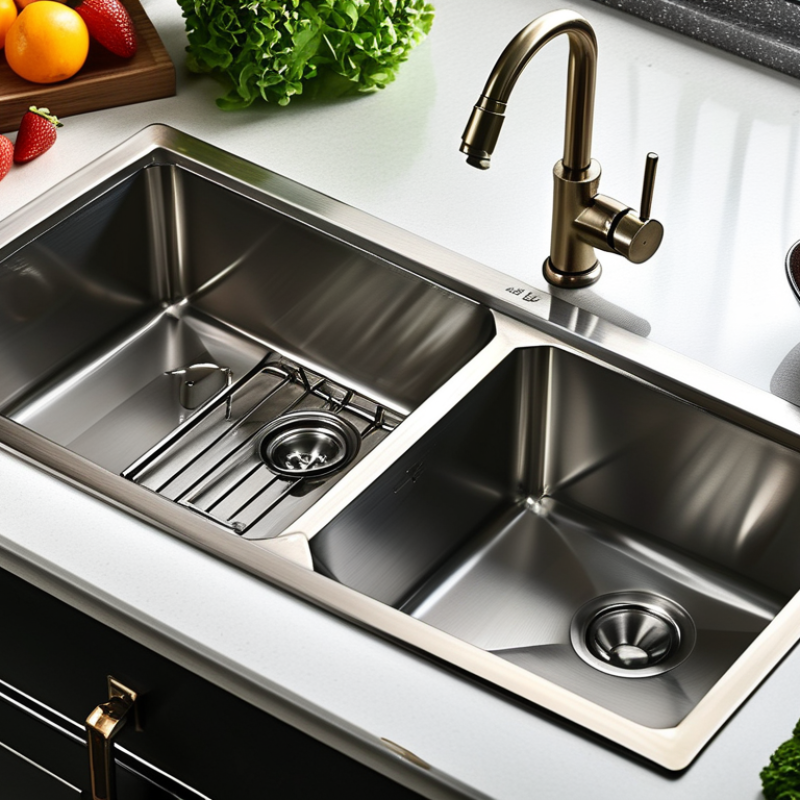
Stainless steel prep sinks are essential in many modern kitchens. They provide a dedicated space for food prep, ensuring a clean and efficient workflow. According to the National Sanitation Foundation, stainless steel is one of the most hygienic materials available for food handling. Its non-porous surface prevents bacterial growth, making it a reliable choice for chefs and home cooks alike.
These sinks are often deeper and larger than standard sinks, allowing for easier washing of vegetables and meats. The American Institute of Steel Construction notes that the durability of stainless steel can last a lifetime when properly maintained. Scratch and dent-resistant, these sinks withstand the rigors of daily kitchen use, providing both functionality and longevity.
However, not all stainless steel prep sinks are created equal. Different grades of stainless steel have varying levels of resistance to rust and corrosion. It's important to choose a sink that balances quality and cost. Some lower-grade options might not hold up well over time. Understanding the specifications and benefits of various models can feel overwhelming, but it is essential for making an informed decision.
Choosing the right stainless steel prep sink is essential for an efficient kitchen. One important factor is the size. Measure your available space before purchasing. A sink that is too large can disrupt workflow. A sink that's too small may not meet your needs. Consider your cooking habits. Do you often prep large meals? Then go for a bigger model.
Material quality is another key consideration. Look for heavy-gauge stainless steel. Thinner materials can dent easily and may not last long. A brushed finish often offers better resistance to scratches. This choice helps maintain the sink’s appearance over time.
Think about the sink depth as well. A deeper sink can accommodate larger pots and pans. However, it might be challenging for shorter individuals to reach the bottom. Assess who will use the sink regularly. Balance height and depth to suit everyone’s comfort.
For maintenance, pick a model with rounded edges. These are easier to clean. Avoid models that have seams or joints, as they can trap food waste and bacteria. Regular cleaning is necessary, but extra features might complicate this process.
Remember, choosing a prep sink is a reflection of your kitchen style and functionality. Take your time to evaluate your choices. Don't rush, as the right sink can enhance your cooking experience. Look for options that work for you and your kitchen environment.
When choosing a stainless steel prep sink, one critical factor is gauge thickness. This measurement directly influences durability and performance. Common gauges for residential sinks range from 16 to 20. A lower gauge number indicates thicker material. For example, a 16-gauge sink is sturdier than a 20-gauge one. According to industry reports, a 16-gauge sink can withstand daily use better than higher gauges, minimizing dents and dings.
Many consider the noise levels of stainless steel sinks. Thicker gauges tend to absorb more sound, reducing the clinks and clatters often associated with kitchen tasks. Choosing a quality sink often means balancing thickness with your specific needs. It’s essential to consider your cooking habits. If you prepare food frequently, investing in a thinner gauge may lead to dissatisfaction over time.
When evaluating options, think about the material's finish as well. A brushed finish can hide scratches better than a polished finish. It’s worth noting that not all sinks perform equally. Depending on your kitchen's demands, you may need to prioritize sturdiness over aesthetics. Check reviews and seek experiences from users to guide your choice. The right sink can make a significant difference in daily kitchen efficiency.
| Gauge Thickness | Material Durability | Performance | Recommended Use |
|---|---|---|---|
| 14 gauge | Very high durability, resistant to dents and scratches | Excellent performance for heavy use | Commercial kitchens, restaurants |
| 16 gauge | High durability, suitable for most environments | Great performance for home and small businesses | Residential kitchens, light commercial use |
| 18 gauge | Good durability, but more prone to dents | Adequate performance for moderate use | Home use, occasional heavy tasks |
| 20 gauge | Lower durability, may show wear quickly | Sufficient for light use | Light-duty applications, such as bar or buffet setups |
When selecting a stainless steel prep sink, size is a crucial factor. A common mistake is overlooking the dimensions that fit your kitchen layout. According to a 2022 industry report, over 40% of homeowners regret not measuring their space accurately before installation. A prep sink that’s too large can crowd your counters, while a smaller one may not accommodate your needs.
Consider the superficial area of your countertop. A prep sink should complement the available workspace. Standard sizes range from 15 to 30 inches in width. A sink that is at least 20 inches wide provides more utility. Research indicates that deeper sinks, around 10 inches, allow for better food prep and washing. The positioning should also be within easy reach of your cooking area to enhance efficiency.
Many kitchens lack the luxury of expansive space. Therefore, optimizing the layout can be tricky. Remember, an undersized sink can lead to frustrations during meal prep. Conversely, a sink that takes up too much real estate can limit your work area. It’s essential to visualize the sink's placement before making a purchase. Assess how it integrates with your workflow and how it balances within the kitchen. A well-sized prep sink not only enhances functionality but also elevates the overall kitchen experience.
When choosing the best stainless steel prep sink, drainage options are crucial. Effective drainage prevents water pooling and promotes hygiene. Look for sinks with slope designs. This feature encourages quick water flow towards the drain. Consider drain sizes. Larger drains handle more water, reducing clogs and backups. A good drainage system saves time and effort in cleaning.
Faucet compatibility is another key factor. Not all sinks work with every faucet. Ensure your chosen sink has pre-drilled holes that match your faucet's configuration. Some sinks come with built-in faucets; others do not. Assess your kitchen needs before selecting. A matching faucet enhances functionality and style.
Accessories can elevate your prep sink experience. Some sinks offer cutting boards, colanders, and baskets for added convenience. An integrated soap dispenser is a bonus to keep your workspace organized. Not all sinks come with these features. Consider what you need and how often you cook. Reflect on your habits to choose wisely. Adjusting to a sink that meets your specific needs can be challenging, but thorough research will help.
: Measure your kitchen space carefully. A sink too large or small can disrupt your workflow.
Opt for heavy-gauge stainless steel. Thinner materials may dent easily and lack durability over time.
Deeper sinks handle larger pots. However, shorter users might find it hard to reach the bottom comfortably.
A brushed finish resists scratches better than a polished one. It helps keep the sink looking good over time.
Gauge thickness influences durability. A 16-gauge sink is sturdier than a 20-gauge and withstands daily use better.
Thicker stainless steel sinks reduce noise. They absorb sound better, leading to fewer clinks and clatters during cooking.
Many forget to measure their kitchen space, leading to incorrect sizes that can hinder functionality.
Yes. Models with rounded edges are easier to clean than those with seams, which can trap food waste and bacteria.
Position the sink close to your cooking area. This enhances workflow and efficiency during meal prep.
Rushing can lead to regrets. The right sink should fit your needs and enhance your cooking experience.
A Stainless Steel Prep Sink is an essential addition to any kitchen, offering both functionality and aesthetic appeal. These sinks are designed specifically for food preparation, making them ideal for washing vegetables, marinating meats, and other kitchen tasks. Their durability, resistance to corrosion and stains, and easy maintenance make them a preferred choice for homeowners and chefs alike.
When selecting the best Stainless Steel Prep Sink, several key factors should be considered. Gauge thickness plays a significant role in the sink's durability and overall performance, with lower gauges typically being thicker and more robust. Size is another important factor, as the dimensions must fit well within your kitchen space and meet your specific needs. Additionally, it's crucial to compare features such as drainage capabilities, faucet compatibility, and available accessories to ensure that you choose a prep sink that enhances your culinary experience.

Jinrenkang Hardware